You’re seeing the signs: burnout is creeping up, healthcare premiums are on the rise again, and keeping your best people feels like a constant battle. You’ve heard corporate wellness programs can help, but that immediately leads to the big, looming question: how much do wellness programs cost? It’s a number that can feel frustratingly vague, with answers ranging from “less than you think” to “more than you can imagine.”
The truth is, there’s no single price tag. The cost of a wellness program is like the cost of a company vehicle; a no-frills fleet van serves a different purpose and comes with a different invoice than a fully-loaded executive SUV. But that doesn’t mean you have to navigate the market blind.
Let’s cut through the noise and get you the numbers and frameworks you need to make a smart decision for your business.
Short on time? Here are the essential figures and factors to know before you dive in.
The Average Cost: Most businesses spend between $150 to $1,200 per employee, per year (PEPY). The widely cited average lands around $742 PEPY.
The Biggest Cost Drivers: Your final price depends almost entirely on company size, the specific services you offer (from basic apps to on-site health screenings), and the level of customization you need.
Funding is Flexible: You don’t always have to foot the entire bill. Cost-sharing with employees, insurance carrier incentives, and even tax credits can significantly lower your direct spend.
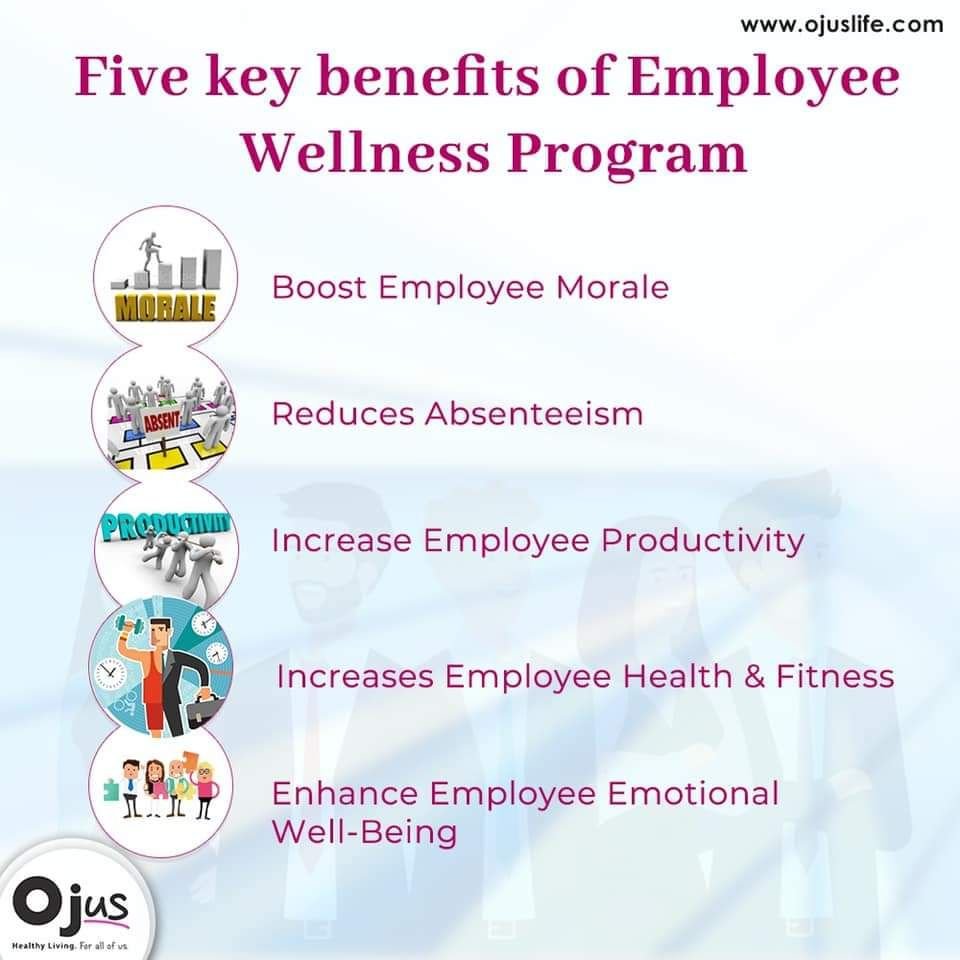
The ROI is Real: For every dollar invested in wellness, companies can see a return of $3 to $6 in healthcare savings alone. Factor in reduced absenteeism and higher productivity, and the business case becomes even stronger.
The Big Picture: What’s the Average Spend on Employee Wellness?
When you first start budgeting, having a ballpark figure is essential. The most reliable data shows that the average cost of a corporate wellness program is $742 per employee per year.
But averages can be misleading. A more helpful way to look at it is through a typical cost range:
Low End ($150 – $400 PEPY): This tier usually includes foundational programs. Think Employee Assistance Programs (EAPs) that provide confidential counseling, access to a digital wellness platform with educational content, or simple step-tracking challenges.
Mid-Range ($400 – $800 PEPY): Here, you start seeing more comprehensive and engaging options. This could involve everything from the low-end plus biometric screenings, health risk assessments, well-being workshops (virtual or in-person), and mental health support apps.
High End ($800 – $1,200+ PEPY): Premium programs are tailored and high-touch. They often include everything from the other tiers plus personalized health coaching, on-site fitness classes, financial wellness consultations, and significant incentives for participation.
Think of it this way: a simple, off-the-shelf digital subscription is your basic sedan—reliable and gets the job done. A fully customized program with on-site staff and personalized coaching is your luxury SUV—packed with features for a premium price. Knowing the Average wellness program costs helps you understand which category you’re likely shopping in.
Deconstructing the Price Tag: What Really Drives the Cost?
So, why the huge range? Several key factors determine your final quote. Understanding these levers is the first step toward building a program that fits your budget and your team’s needs.
Company Size & Economies of Scale
It might seem counterintuitive, but larger companies often pay less per employee than smaller ones. Vendors build their pricing on a per-employee-per-month (PEPM) or per-employee-per-year (PEPY) model. Just like buying in bulk, a 5,000-person company can negotiate a much lower per-head rate than a 50-person startup.
Small Business (Under 100 Employees): May face higher PEPM rates or minimum monthly fees. Digital, self-serve platforms are often the most cost-effective route.
Mid-Sized Business (100-1,000 Employees): This is the sweet spot where you gain some negotiating power and can access more robust, customized solutions without enterprise-level pricing.
Large Enterprise (1,000+ Employees): Can leverage their scale for significant discounts and often demand highly customized, integrated solutions.
Scope of Services: From Bare-Bones to All-Inclusive
This is the single biggest factor influencing your bill. The more services you bundle, the higher the cost.
Everything in Foundational + biometric screenings, health risk assessments, mental health apps, webinars on nutrition/stress.
“We’re actively investing in preventative health.”
Premium (High-Touch)
Everything in Comprehensive + one-on-one health coaching, on-site gym or classes, financial wellness advisors, custom-branded portals.
“Wellness is a core part of our company culture.”
A simple EAP might only cost a few dollars per employee per month, while a program that includes yearly on-site biometric screenings and health coaching can easily run over $100 PEPM.
Customization and Branding
Do you want the vendor’s logo all over the platform, or do you want it to look and feel like a seamless part of your company?
Off-the-Shelf: These are plug-and-play solutions that are fast to implement and highly affordable. They are standardized and used by many companies.
Customized & Branded: This involves tailoring the platform with your company’s logo, colors, and messaging. It may also include creating custom challenges or content relevant to your industry (e.g., mindfulness for call center staff or ergonomics for warehouse workers). This level of personalization comes at a premium.
The “Hidden” Costs: Incentives, Implementation, and Integration
Your vendor’s quote is just one piece of the puzzle. A complete picture of Understanding wellness program costs requires looking at these additional expenses.
Participation Incentives: Do you plan to reward employees for completing a health assessment or a fitness challenge? Gift cards, premium reductions on health insurance, or company swag all add to the total investment. While effective at boosting engagement, they need to be budgeted for separately.
Implementation & Admin Fees: Some vendors charge a one-time setup fee to get your program running. There may also be ongoing administrative costs, especially if you don’t have a dedicated internal wellness champion.
Integration Costs: Does the wellness platform need to “talk” to your existing HR information system (HRIS) or health insurance data? Technical integrations can sometimes involve extra fees and IT resources.
Choosing Your Funding Model: Who Pays for What?
Once you have a sense of the total cost, the next question is how to pay for it. You have a few options, and many companies use a hybrid approach.
Employer-Funded
This is the most straightforward model: the company covers 100% of the program costs. It sends a powerful message that you are invested in your employees’ well-being and removes any financial barriers to participation.
Cost-Sharing
In this model, the company covers the core program, but employees can opt-in to pay for premium services. For example, the company might provide free access to a meditation app, but an employee would pay out-of-pocket for one-on-one sessions with a therapist or a health coach. This makes high-value services accessible without breaking the company budget.
Leveraging Insurance and Tax Credits
Don’t forget to talk to your health insurance broker. Many carriers offer discounts, grants, or built-in wellness resources to clients who implement preventative health initiatives. They know that a healthier workforce leads to fewer claims. Additionally, some government programs offer tax incentives for health promotion, so it’s worth a conversation with your finance department.
The Million-Dollar Question: Is It Worth It? The ROI of Wellness
It’s easy to get sticker shock when you see the price tag. But the smartest leaders don’t ask “what does it cost?”—they ask “what’s the return?” The data on wellness ROI is overwhelmingly positive. A well-executed program isn’t an expense; it’s an investment in your most valuable asset.
Hard Savings: Reduced Healthcare Costs and Absenteeism
The numbers speak for themselves. Multiple studies from institutions like Harvard have found that for every dollar invested in a wellness program, companies can save $3.27 in healthcare costs. Another analysis found the return could be as high as $6.00.
Absenteeism is another major drain on resources. Unplanned absences disrupt workflow and kill productivity. Wellness programs have been shown to reduce absenteeism costs by 25–30%. One study found that for every dollar spent, absenteeism costs fell by $2.73. Thinking about How much do wellness programs cost becomes much easier when you frame it against these potential savings.
Soft Gains: Boosted Productivity, Morale, and Retention
The benefits go far beyond the balance sheet. Healthier employees are happier and more focused.
Productivity: Research suggests that effective wellness programs can boost employee productivity by at least 10%. When employees feel better physically and mentally, they bring more energy and creativity to their work.
Talent Magnet: In a competitive job market, a robust wellness program is a powerful differentiator. It shows you care about your people as humans, not just as workers. This helps you attract top talent and, more importantly, retain them.
A 2019 survey found that 72% of companies reported a tangible reduction in healthcare costs after introducing a wellness program. The evidence is clear: ignoring employee well-being is far more expensive than investing in it.
Modern Solutions: Are Digital Wellness Platforms a Better Deal?
In the past, “wellness program” meant on-site health fairs and gym membership reimbursements. Today, digital platforms have revolutionized the industry, making comprehensive wellness accessible and affordable for companies of all sizes.
Compared to traditional programs, digital solutions are:
More Cost-Effective: They dramatically reduce administrative overhead and eliminate the costs associated with on-site events.
Infinitely Scalable: A digital platform works just as well for a 10-person remote team as it does for a 10,000-person global corporation.
Higher Engagement: While traditional EAPs often see dismal engagement rates (sometimes as low as 10%), modern digital platforms are designed to be engaging, with gamification, social features, and personalized content driving participation rates above 40%.
For most businesses, especially those with distributed or remote workforces, a digital-first approach offers the best combination of impact, affordability, and scalability.
Common Questions, Answered
Let’s tackle a few of the most frequently asked questions from business leaders. 1. Can small businesses actually afford a wellness program?
Absolutely. The key is to start smart. A small business doesn’t need an on-site chef and a corporate gym. Start with a low-cost, high-impact digital platform or a reliable EAP. These can be implemented for just a few hundred dollars a month and provide a critical support system for your team. 2. How do I measure the ROI of my program?
It requires tracking the right metrics over time. Before you launch, benchmark key data points: healthcare claims costs, sick days taken (absenteeism), employee turnover rates, and employee satisfaction/engagement scores from surveys. Re-evaluate these metrics 12 and 24 months after launch to see the trends. 3. Are participation incentives necessary?
They can be a powerful tool for kickstarting a program and grabbing employees’ attention. A $25 gift card for completing a health assessment can generate a lot of initial activity. However, the long-term goal should be to build an intrinsic culture of well-being where employees participate because they see the value in it, not just for a reward.
Your Next Move: From Cost Analysis to Action Plan
Figuring out how much a wellness program costs is the first step. The next is to build a program that delivers real value. Don’t get paralyzed by the numbers; get empowered by the possibilities.
Instead of asking “what’s the cheapest option?”, reframe your thinking to “what’s the smartest investment for my people?”
Here’s a simple path forward:
Listen First. Before you look at a single vendor, survey your employees. What are their biggest wellness challenges? Are they stressed about finances, struggling to find time for fitness, or in need of mental health support? Data beats guesswork every time.
Define Your “Why”. What is the #1 goal you want to achieve? Is it to lower healthcare premiums? Reduce burnout in a specific department? Improve team morale? A clear goal will help you choose the right features.
Request Demos. Don’t just look at pricing pages. Talk to 2-3 different types of vendors (e.g., a modern EAP, a comprehensive digital platform, a specialized mental health provider). See their products in action and ask them how they would help you achieve the goal you defined in step 2.
Start Small, Scale Smart. You don’t have to launch a massive, all-encompassing program on day one. Start with a foundational offering, measure its impact, gather feedback, and build from there. The best wellness programs evolve with the needs of the business and its people.
I am a writer specializing in health and lifestyle, committed to delivering well-researched, engaging, and insightful content. With a keen eye for trends and a deep understanding of health, presenting and exploring topics ranging from nutrition and mental health to sustainable living. This writing is solely intended to educate, inspire, and empower readers to live a healthier, more balanced life.