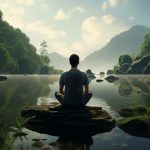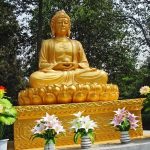
The hum of the modern world is relentless. Notifications ping, deadlines loom, and the pressure to be constantly connected can feel like a weight on your shoulders. Now, imagine trading that noise for the whisper of wind through ancient deodar pines and the distant chime of a temple bell. This is the promise of a Himalayan meditation retreat—a chance to disconnect from the chaos and reconnect with yourself in the world’s most profound mountain range.
For centuries, these peaks have been a sanctuary for seekers, yogis, and anyone yearning for clarity. A retreat here isn’t just a vacation; it’s an intentional journey inward, supported by an environment that breathes tranquility.
At a Glance: Your Quick Guide
Here’s what you need to know to start planning your transformative journey:
- What It Is: A period of seclusion in a supportive environment, designed for meditation, self-reflection, and spiritual practice. It’s a structured break from your daily routine to focus on your inner world.
- Who It’s For: Anyone feeling stressed, burnt out, or seeking deeper meaning, from absolute beginners in meditation to seasoned practitioners.
- Key Locations: Rishikesh and Dharamshala in India are classic hubs, but unique centers exist across the region and even in “Himalayan-inspired” locations in the West.
- Best Time to Go: The weather is most favorable during the shoulder seasons: March to June and September to November.
- Typical Cost: Varies widely, from budget-friendly ashrams at under $50/day to luxury wellness resorts costing thousands per week.
What Exactly Is a Himalayan Retreat? (It’s More Than Just Sitting Quietly)
The word “retreat” literally means to withdraw. In this context, you’re withdrawing from the distractions of everyday life to create space for something new to emerge. The yoga tradition calls this dedicated time sadhana—a consistent practice aimed at self-realization. The ancient Arabic word for it is khalwa, meaning seclusion.
A Himalayan meditation retreat provides the perfect container for this work. It’s a structured environment where the logistics are handled for you—meals, lodging, and a daily schedule—so your energy can be fully devoted to your practice.
Unlike a typical vacation where you might sightsee and socialize, a retreat’s itinerary is designed to turn your focus inward. The goal isn’t to escape your life but to return to it with a clearer mind, a calmer nervous system, and a renewed sense of purpose.
Is a Himalayan Retreat Right for You?
Committing to a retreat is a big decision. It’s an investment of time, money, and emotional energy. So, how do you know if you’re ready?
A retreat might be the perfect fit if:
- You feel stuck, stressed, or on the verge of burnout.
- You’re navigating a major life transition (a new job, a breakup, an empty nest).
- You want to deepen an existing meditation or yoga practice.
- You’re a beginner curious about mindfulness and want to learn in an immersive setting.
- You crave a digital detox and a genuine break from your screens.
It might not be the right choice if: - You’re primarily looking for a tourist holiday with lots of sightseeing.
- You need to stay connected to work. Most dedicated retreats have strict rules about digital devices and are not designed to be remote workplaces.
- You are uncomfortable with silence, structure, or simple living (depending on the type of retreat).
- You expect a quick fix for deep-seated issues. A retreat is a powerful catalyst, but the real work continues when you return home.
The key is intention. If you feel a genuine pull to step away and look within, the Himalayas offer one of the most powerful backdrops on Earth to do so.
Choosing Your Sanctuary: Finding the Perfect Retreat
The Himalayas are vast, and so are the options for your retreat. They range from spartan ashrams to five-star resorts. The right choice depends on your budget, your goals, and the kind of experience you’re seeking.
Rishikesh: The World’s Yoga Capital
Nestled on the banks of the sacred Ganges River, Rishikesh is a vibrant, spiritual hub. It’s an excellent place for first-timers, offering a wide variety of styles and price points.
- Parmarth Niketan Ashram: One of India’s largest and most famous ashrams. It’s a bustling place with a strong sense of community. Expect daily yoga, meditation sessions, and the spectacular evening Ganga Aarti (a fire ceremony by the river). It’s an authentic, immersive, and highly affordable option.
- Sattva Retreat: A boutique wellness center offering a more refined experience. Known for its focus on Kundalini yoga, Sattva provides a holistic program with organic, farm-to-table meals and beautiful accommodations. It strikes a balance between traditional practice and modern comfort.
Dharamshala: A Haven of Tibetan Buddhism
Home to the Dalai Lama and the Tibetan government-in-exile, Dharamshala has a distinctly Buddhist energy. This is the place to go if you’re interested in Vipassana (insight) meditation and Buddhist philosophy.
- Tushita Meditation Centre: Perched in the forested hills above McLeod Ganj, Tushita is a renowned center for the study and practice of Tibetan Mahayana Buddhism. It’s famous for its 10-day silent “Introduction to Buddhism” courses, which are intense, profound, and deeply transformative. This is not a casual stay; it’s a serious dive into the practice.
Off the Beaten Path: Remote and Luxury Options
If the main hubs feel too crowded, you can find incredible retreats tucked away in more remote corners of the mountains.
- Himalayan Orchard: Located at an elevation of 2100 meters, this is an example of a more intimate, rural setting. Places like this offer curated yoga and meditation retreats but also welcome guests for self-practice, providing a quiet space far from any town. They often host specialized retreats for writers and artists, too.
- Ananda in the Himalayas: For those seeking the pinnacle of luxury and personalization, Ananda is a world-class destination spa and wellness resort. Set in a former maharaja’s palace estate, it offers bespoke programs combining Ayurveda, yoga, and meditation with five-star service and amenities. If you’re looking to deeply invest in your well-being, this is the gold standard.
There is a huge variety of options when you decide to Explore Himalayan meditation and find the right fit for your personal journey.
A U.S.-Based “Himalayan” Experience
What if you crave the Himalayan spirit but can’t make the trip to India or Nepal? The Himalayan Institute offers an authentic alternative on its serene 400-acre campus in the Pocono Mountains of Pennsylvania.
Their Sadhana Retreats are designed for committed seekers to focus on personal practice in a supportive environment.
- Duration: 2 weeks to 2 months.
- What’s Included: Simple, comfortable accommodation, three vegetarian meals daily, access to the stunning Sri Vidya Shrine for personal practice, and community activities like Hatha Yoga.
- The Vibe: This is a focused spiritual community. Alcohol, meat, and marijuana are not permitted, creating a pure environment for inner work. It’s a true retreat, not a vacation.
- Sample Pricing:
- Ananda Cottage (Modest): $1,979 (2 weeks), $3,519 (1 month)
- Harmony Cottage (Standard): $2,339 (2 weeks), $4,049 (1 month)
- Jivana Suite (Premium): $3,079 (2 weeks), $5,809 (1 month)
This option provides the structure and ethos of a Himalayan retreat with the convenience of being stateside.
Your Practical Planning Guide: From Dream to Departure
Once you’ve chosen a potential retreat, it’s time to handle the logistics.
When to Go
The Himalayas experience extreme weather. The best times for a retreat are generally:
- Spring (March – June): Pleasant weather, blooming flowers, and clear skies.
- Autumn (September – November): Crisp, clear air and stunning mountain views post-monsoon.
Avoid the monsoon season (July–August) due to heavy rains and potential landslides, and the deep winter (December–February) when high-altitude centers may be inaccessible due to snow.
What to Pack
Less is more. You’ll be living simply.
- Layered Clothing: Mornings and evenings can be cool, even in summer. Pack fleeces, shawls, and thermal layers.
- Comfortable Yoga/Meditation Attire: Loose, breathable pants and tops.
- Sturdy Walking Shoes: You’ll likely be on your feet and walking on uneven terrain.
- Essential Toiletries & Medications: Bring your own, as specific brands may be hard to find.
- A Journal and Pen: You’ll want to capture the insights that arise.
- An Open Mind: The most important item on the list.
Understanding the Rules and Etiquette
Most retreat centers operate as spiritual communities and have rules to maintain a contemplative atmosphere.
- Silence: Many retreats include periods of noble silence (mauna). This isn’t a punishment; it’s a tool to quiet the mind.
- Diet: Expect simple, vegetarian (and often vegan) meals.
- Prohibited Items: Alcohol, non-prescription drugs, and meat are almost universally forbidden.
- Digital Detox: You’ll likely be asked to turn off your phone or leave it in your room. Embrace it.
Navigating Booking and Cancellations
Booking policies can be strict, especially for longer stays. For example, a center like the Himalayan Institute requires a 25% non-refundable deposit for reservations made over 3 months in advance, with full payment due 90 days before arrival.
Cancellation fees are often steep:
- 60-89 days prior: 50% fee
- 30-59 days prior: 75% fee
- Less than 30 days prior: 100% fee
Always read the fine print before you book and consider travel insurance.
Common Questions, Answered
Q: Do I need to be an expert meditator?
A: Absolutely not. Most retreats welcome beginners and offer foundational instruction. The only prerequisite is a sincere desire to learn and participate.
Q: What is a typical day like?
A: Schedules vary, but they are usually structured and full. A day might look something like this:
- 5:30 AM: Wake-up Bell
- 6:00 AM – 7:30 AM: Morning Meditation & Chanting
- 7:30 AM: Light Breakfast
- 8:30 AM – 10:00 AM: Yoga Asana Class
- 11:00 AM: Lecture or Philosophy Talk
- 12:30 PM: Lunch
- 1:30 PM – 4:00 PM: Personal Practice / Free Time / Karma Yoga (selfless service)
- 4:00 PM – 5:30 PM: Afternoon Yoga or Meditation
- 6:00 PM: Dinner
- 7:30 PM – 8:30 PM: Evening Meditation or Kirtan (devotional singing)
- 9:00 PM: Lights Out
Q: Is it safe for a solo traveler?
A: Yes. Retreat centers are generally very safe, self-contained communities. They are excellent environments for solo travelers, as you are in a supportive group with a shared purpose. Just take standard travel precautions on your journey to and from the retreat center.
From Retreat to Reality: Bringing the Peace Back Home
The biggest challenge isn’t the retreat itself; it’s what happens when you leave. The silence is replaced by traffic, and the structured schedule gives way to the chaotic demands of daily life. How do you keep the flame of your practice alive?
The key is integration. Don’t see the retreat as a one-time event but as the start of a new chapter.
- Start Small: You don’t need to replicate the entire retreat schedule. Commit to just 10 minutes of meditation each morning. Consistency is more important than duration.
- Create a Sacred Space: Designate a small corner of your home for your practice. A cushion, a candle, a plant—make it a place you want to return to.
- Find Your Community: Look for local yoga studios, meditation groups, or online communities to stay connected with like-minded people.
- Be Gentle with Yourself: You will fall back into old patterns. The practice isn’t about being perfect; it’s about gently, consistently returning to your center.
A retreat can plant a seed of profound peace within you. Nurturing that seed when you get home is how you allow it to grow and transform your life. This ongoing journey is the true essence of the many Spiritual retreats in Himalayas that people undertake. Your time in the mountains is just the beginning.

- Month Long Meditation Retreat Cultivates Deep Mindfulness and Self-Love - August 9, 2026
- Month Long Spiritual Retreats Offer Deep Inner Transformation - August 8, 2026
- Month Long Retreat Offers Profound Transformation and Self-Discovery - August 7, 2026