The noise of modern life can feel relentless, a constant hum of notifications, obligations, and mental chatter. It’s a common feeling that leads many to a simple search: “I need a mindfulness retreat near me.” This isn’t just a desire to escape; it’s a deep-seated need to reconnect with a quieter, more observant part of yourself. A mindfulness retreat offers a structured path to do just that—trading frantic doing for intentional being.
At a Glance: Your Path to a Purposeful Retreat
- Understand the Nuance: Learn the key differences between a general meditation retreat, a silent retreat, and a focused mindfulness program.
- Match Style to Goal: Discover how to vet a retreat’s lineage—from secular stress-reduction to deep dives into Buddhist or Indigenous wisdom.
- Know the Daily Flow: Get a clear picture of what to expect, from silent mornings and mindful meals to guided movement and community council.
- Choose Your Environment: See how location, lodging, and duration impact your experience and learn to pick what’s right for you.
- Ask the Right Questions: Arm yourself with key questions to ask before booking to ensure the retreat is a perfect fit for your needs and expectations.
Beyond the Buzzword: What a True Mindfulness Retreat Offers
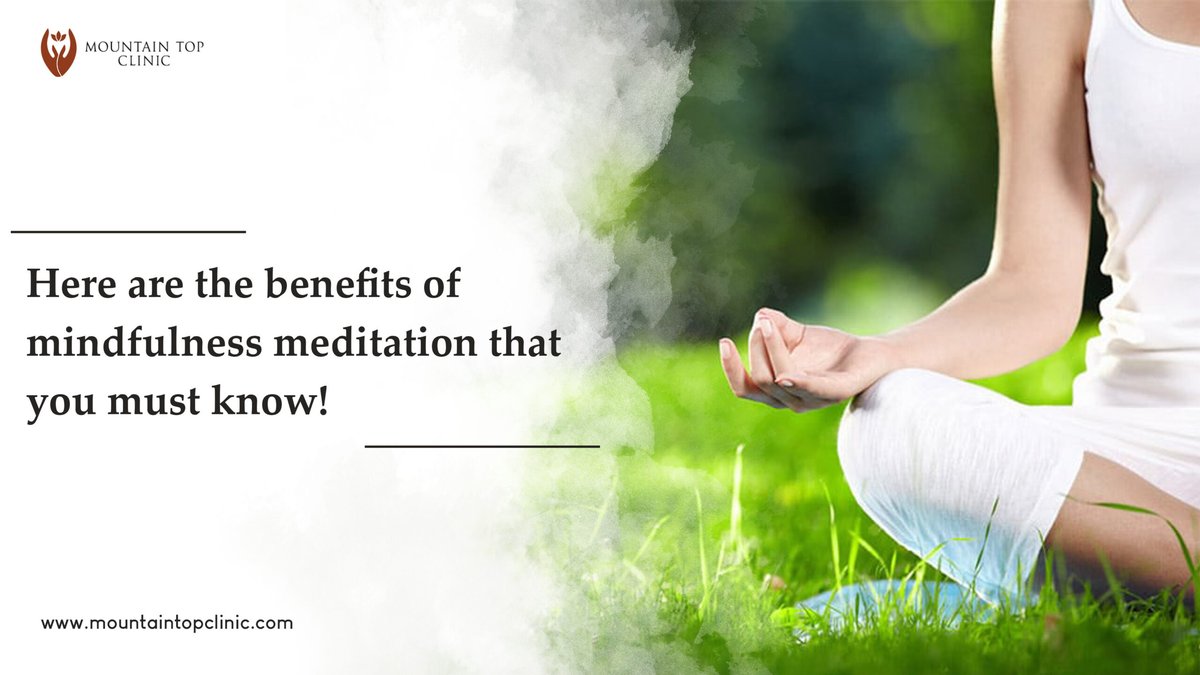
Mindfulness has become a wellness catch-all, but in a retreat context, its meaning is precise. It’s the practice of paying attention to the present moment—your breath, a sound, a physical sensation, a thought—intentionally and without judgment. It’s less about emptying your mind and more about observing its activity with gentle curiosity.
This practice is heavily influenced by ancient traditions, particularly Buddhist lineages like Theravāda, which use Vipassanā (insight) meditation to train the mind. Studies now validate what practitioners have known for centuries: this kind of focused silence is associated with reduced stress, improved concentration, and greater emotional resilience.
It’s More Than Just Sitting Quietly
Unlike some forms of meditation that aim for transcendence or specific spiritual states, mindfulness is about grounding yourself in the here and now. A retreat provides the container to deepen this skill. You’re not just meditating on a cushion; you’re learning to bring that same quality of awareness to every part of your day.
- Mindful Eating: Noticing the textures, tastes, and smells of your food.
- Walking Meditation: Paying attention to the sensation of your feet on the earth.
- Noble Silence: Using the absence of small talk to turn your attention inward.
Mindfulness vs. General Meditation vs. Silent Retreats
The terms are often used interchangeably, but they have distinct meanings. Choosing the right one starts with understanding the differences.
| Retreat Type | Primary Focus | Typical Activities | Best For… |
|---|---|---|---|
| Mindfulness Retreat | Present-moment awareness in all activities | Sitting & walking meditation, mindful eating, body scans, mindful movement (yoga/qigong) | Someone seeking practical tools for stress reduction and everyday presence. |
| General Meditation Retreat | Varies by tradition (e.g., loving-kindness, devotional, chanting) | Guided meditations, spiritual talks (Dharma), chanting, community activities | A person interested in a specific spiritual path or a broader introduction to meditation. |
| Silent Retreat | The practice of silence itself | Any of the above, but conducted without verbal communication | Individuals ready for a deep, immersive inner journey without social distraction. |
| While a mindfulness retreat is often silent, its core purpose is the practice of mindfulness, with silence serving as a powerful tool to support it. For a wider look at various styles, our comprehensive guide to Find your calm retreats provides a broader framework. |
Decoding Retreat Styles to Match Your Personal Goals
Once you’ve decided a mindfulness retreat is for you, the next step is finding the right fit. The philosophy and structure can vary dramatically from one center to another.
Secular vs. Spiritually-Rooted: Which Path is Yours?
Your personal “why” is the most important filter. Are you seeking evidence-based tools to manage anxiety, or are you looking to explore a deeper spiritual connection?
- Secular Mindfulness: These retreats are often based on programs like Mindfulness-Based Stress Reduction (MBSR). The language is psychological and focuses on measurable benefits like nervous system regulation and emotional balance. A mental health-focused retreat, like one held in Sequoia National Park designed to manage anxiety, falls into this category.
- Spiritually-Rooted Mindfulness: These programs are grounded in a specific wisdom tradition. For example, the Original Medicine Earth-Based Intensive in Mendocino County integrates Buddhist Dharma with Indigenous wisdom. It’s led by experienced teachers like Carol Cano, a Dharma teacher with over 30 years of practice. This type of retreat offers not just techniques, but a rich philosophical context.
The Role of Silence: From Gentle Quiet to Noble Silence
Silence is a core component, but its application varies. For a first-timer, diving into a seven-day silent retreat can be intimidating.
- Partial Silence: Many retreats offer a gentle introduction. The Original Medicine retreat, for instance, features “silent mornings,” allowing for community connection during councils and talks in the afternoon and evening.
- Noble Silence: This is a commitment to refrain from all communication—speaking, gestures, and even eye contact—for the duration of the retreat. A Vipassana retreat is a classic example. The intention is to remove the distraction of social interaction, allowing for a profound inward journey.
Structured Program vs. Personal Retreat: How Much Guidance Do You Need?
Consider how much structure you need to thrive.
- Structured Retreats: Most programs fall here. They have a set schedule with pre-planned sessions for sitting meditation, walking, meals, and teachings. This is ideal for beginners or anyone who wants to immerse themselves without having to make decisions. The 5-day retreat at Ananda Dhiira, with its schedule of meals, meditation, and even an outing to the Yuba River, is a perfect example.
- Personal or Solo Retreats: These offer solitude and flexibility. You might have a cabin to yourself with minimal required activities. A 3-day Solo Transformation retreat in a Joshua Tree desert vortex or a private solo traveler retreat near Lake Tahoe would fit this description, providing space for self-directed practice.
From Sunrise Meditation to Evening Council: A Sample Retreat Schedule
Wondering what you’ll actually do all day? While every center is different, a rhythm of practice, rest, and nourishment is universal. The goal is to create a predictable container that frees your mind from planning.
Here is a sample schedule inspired by programs like those at Spirit Camp:
- 5:30 AM: Wake-up Bell
- 6:00 AM – 7:00 AM: Morning Meditation (Silent)
- 7:00 AM – 8:00 AM: Mindful Movement (Gentle Yoga or Qigong)
- 8:00 AM – 9:00 AM: Breakfast (Silent)
- 9:30 AM – 11:30 AM: Instruction & Guided Meditation
- 11:30 AM – 1:00 PM: Walking Meditation & Personal Practice
- 1:00 PM – 2:30 PM: Lunch & Rest
- 2:30 PM – 4:30 PM: Afternoon Meditation Practice
- 4:30 PM – 6:00 PM: Community Council or Dharma Talk
- 6:00 PM – 7:00 PM: Dinner
- 7:30 PM – 8:30 PM: Evening Meditation
- 9:00 PM: Rest & Retire
The Food, The Lodging, The Landscape
The environment is an active part of the retreat. Being in a Redwood forest at Spirit Camp or on the 72 acres of gardens at the Ananda Meditation Retreat isn’t just a backdrop; it’s a teacher. Nature provides a simple, profound anchor for present-moment awareness.
Accommodations typically range from private cabins to communal bunkhouses, catering to different budgets and preferences for solitude. Meals are almost always vegetarian or vegan—simple, nourishing, and designed to support a clear mind. It’s crucial to communicate any serious dietary needs well in advance.
Your Pre-Retreat Checklist: 5 Steps to Take Before You Go
Booking a retreat is a significant commitment of time and resources. A little preparation ensures you find the one that will truly serve you.
- Define Your “Why.” Be honest with yourself. Are you burnt out and need a digital detox? Are you processing grief? Are you curious about Buddhism? Your intention is your compass. A 4-day Digital Detox in Joshua Tree is perfect for the first goal, while a private healing retreat might be better for the second.
- Research the Teachers. The guide is as important as the path. Look up the lead teachers. Do they have deep roots in the tradition they teach? Someone like Carol Cano, with over 30 years of experience, offers a different level of guidance than a newly certified instructor.
- Read Recent, Relevant Reviews. Go beyond the testimonials on the retreat’s website. Look for independent reviews that speak to the atmosphere, the quality of the instruction, and the logistics. Were participants well-supported?
- Ask About the Daily Flow. Don’t be shy about requesting a sample schedule. Does it feel balanced to you? Some retreats are highly rigorous, with many hours of sitting, while others incorporate more movement, nature, and rest.
- Prepare for Simplicity. A mindfulness retreat is an invitation to let go. This includes letting go of your phone, your busy schedule, and your usual comforts. Embrace the simplicity—it’s where the magic happens.
Answering Your Core Questions About Mindfulness Retreats
It’s normal to have questions and even a bit of apprehension. Here are answers to some of the most common ones.
What if I’ve never meditated before?
Many mindfulness retreats are designed for all levels, including absolute beginners. Look for descriptions that mention “foundational practices” or “suitable for all.” A shorter, 3-day retreat can be a perfect, low-pressure introduction to the practice.
Is a mindfulness retreat the same as a wellness retreat?
Not exactly. While both contribute to well-being, their focus differs. A mindfulness retreat is a training ground for the mind, centered on meditation. A wellness retreat might have a broader, more varied schedule that could include spa treatments, fitness classes, or workshops on topics like nutrition, which aren’t core to mindfulness practice. Some centers offer both, like the unique retreat offering equine therapy alongside a sensory deprivation float tank.
How much does a mindfulness retreat near me typically cost?
The price varies dramatically based on location, duration, and accommodation. A rustic 3-day retreat with shared lodging might cost a few hundred dollars, while a week-long retreat in a private cabin at a premier center in California could be well over a thousand. The “affordable 3-day retreat near Grass Valley” shows that accessible options exist if you look for them.
What should I pack for a mindfulness retreat?
Less is more. You’ll receive a specific list, but the essentials are universal: comfortable, loose-fitting clothing for sitting, layers for warmth, walking shoes, a journal and pen, a reusable water bottle, and any necessary personal medications. Most importantly, bring an open and curious mind.
Your First Step Toward Quiet Clarity
Choosing to attend a mindfulness retreat is a powerful act of self-care. It’s a recognition that in order to show up fully in your life, you first need to show up for yourself. The search for a “mindfulness retreat near me” isn’t about finding a place to escape from your life; it’s about finding a place to connect more deeply to it.
Use this guide to clarify your intention, research with purpose, and choose a space that resonates with you. The quiet you’re seeking isn’t in a remote forest or a desert canyon—it’s already within you, waiting to be rediscovered. A retreat simply provides the map and the quiet space to begin that beautiful journey home.

- Month Long Meditation Retreat Cultivates Deep Mindfulness and Self-Love - August 9, 2026
- Month Long Spiritual Retreats Offer Deep Inner Transformation - August 8, 2026
- Month Long Retreat Offers Profound Transformation and Self-Discovery - August 7, 2026