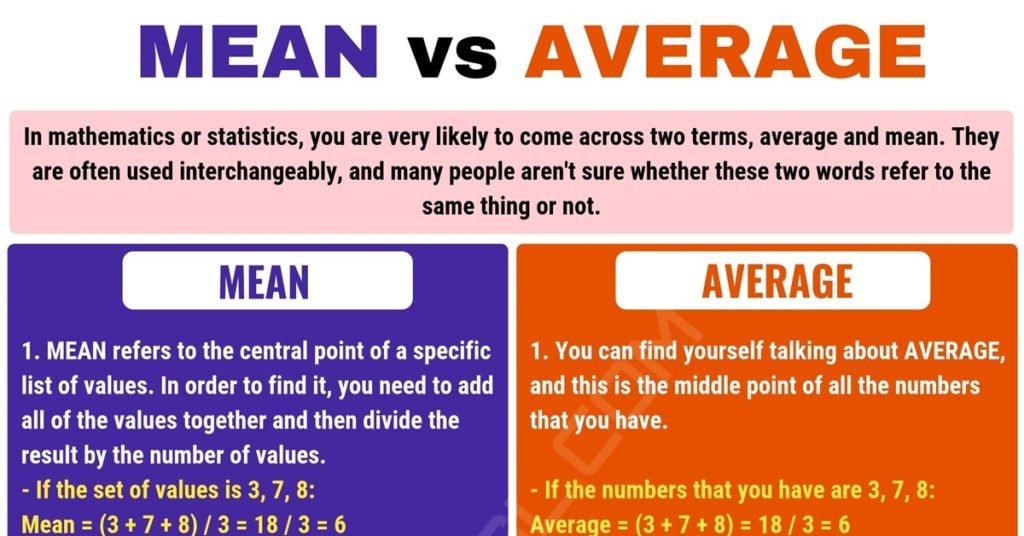
When you’re building the business case for a new corporate wellness initiative, the first number everyone wants to know is the bottom line. The most common benchmark you’ll find is the average cost of a wellness program, which currently sits around $742 per employee, per year. But that single number can be misleading—it’s an average, not your reality.
The actual cost can swing dramatically, from a lean $150 for basic digital tools to over $1,200 for a comprehensive, high-touch program. Understanding what drives that cost is the key to choosing a program that delivers real value instead of just checking a box.
At a Glance: Key Takeaways on Per-Employee Wellness Costs
Before we dive in, here’s what you need to know to frame your budget and strategy:
The Benchmark: The average cost is roughly $742 per employee, per year (PEPY), or about $62 per employee, per month (PEPM).
The Realistic Range: Expect to budget anywhere from $150 to $1,200 PEPY depending on the depth and breadth of your program.
Key Cost Drivers: Your final price tag will be shaped by five main factors: company size, program scope, customization, technology, and employee demographics.
ROI is the Goal: Smart investments pay off. Companies see an average return of $3.27 in reduced medical costs and $2.73 in lower absenteeism for every dollar spent.
Beyond the Sticker Price: Don’t forget to account for potential add-ons like employee incentives, vendor setup fees, and program administration time.
Deconstructing the Average: What Does Your Per-Employee Spend Actually Buy?
The “average cost of a wellness program” is a mix of different investment levels. To make sense of it, it’s helpful to break programs into tiers. Think of it like choosing a car—are you looking for a reliable daily driver, a comfortable family SUV, or a luxury performance model? Each comes with a different price and feature set.
Here’s a snapshot of what you can typically expect at different per-employee price points.
Program Tier
Typical Annual Cost (PEPY)
What’s Usually Included
Ideal For
Basic (Digital-First)
$150 – $400
Digital content library, mindfulness app subscription, basic step challenges, and an Employee Assistance Program (EAP).
Small businesses, startups, or companies testing the waters of wellness with a limited budget.
Mid-Range (Holistic)
$400 – $900
Everything in Basic, plus virtual fitness classes, nutritionist access, mental health counseling sessions, health risk assessments (HRAs), and some financial wellness coaching.
Most mid-sized companies aiming to address the core pillars of wellbeing (mental, physical, financial) and drive meaningful engagement.
Comprehensive (High-Touch)
$900 – $1,200+
Everything in Mid-Range, plus personalized health coaching, biometric screenings, on-site fitness options, and premium vendor integrations.
Large organizations or companies in competitive industries looking to use a premium wellness benefit as a key talent attraction and retention tool.
A small tech startup might opt for a Basic tier, giving their 50 employees access to a leading mental health app and a platform for team-based fitness challenges, landing them around $300 per employee. Meanwhile, a 1,000-person manufacturing company might invest in a Mid-Range program with a focus on preventive care and mental health support, budgeting closer to the $742 average.
The 5 Levers That Control Your Per-Employee Cost
Your per-employee cost isn’t set in stone. It’s a dynamic figure you can influence by adjusting five key levers. Understanding these will help you negotiate with vendors and design a program that fits your budget. These are the primary drivers that will shape your final quote. For a complete framework of how they fit into your total budget, it’s helpful to understand wellness program costs from a holistic perspective.
1. Company Size: The Power of Scale
This is the most straightforward factor. The more employees you have, the lower your per-employee cost will be. Vendors offer volume discounts because their platform and administrative costs are spread across more users.
Mini-Example: A 75-person marketing agency might be quoted $50 PEPM for a wellness platform. A 2,000-person enterprise negotiating for the exact same platform could secure a rate closer to $30 PEPM.
2. Program Scope: The Difference Between a Snack and a Buffet
The single biggest cost driver is what you choose to include. A program focused solely on mental health through an EAP will cost far less than a holistic program that also includes gym reimbursements, nutrition coaching, and financial literacy tools.
Actionable Tip: Start by identifying your employees’ top two or three needs (stress, burnout, physical activity) through anonymous surveys. Focusing your budget there will have a greater impact than spreading it thinly across a dozen unused services.
3. Customization and Integration: Off-the-Rack vs. Tailor-Made
A standard, off-the-shelf wellness platform is the most cost-effective. However, many companies want to brand the platform with their company logo, integrate it with their existing health insurance portal, or create custom challenges and content. Each layer of customization adds cost.
Mini-Example: A basic digital platform might cost $25 PEPM. Adding company branding and a single sign-on (SSO) integration could push that to $30 PEPM. Building out a fully custom resource library might add another $5 PEPM.
4. Technology and Platforms: Digital vs. In-Person
The technology you use forms the backbone of your program and its cost.
Low-Cost Tech: Self-service digital platforms, wellness apps (Calm, Headspace), and simple tracking tools.
High-Cost Tech: Platforms that require wearable device integration (like Fitbits or Apple Watches for all participants), on-site biometric screening kiosks, and live, one-on-one video coaching.
5. Employee Demographics: Know Your Audience
Who you’re covering matters. A young, tech-savvy workforce might get high engagement from a low-cost digital platform. An older workforce or one in physically demanding jobs might need more high-touch services like on-site physical therapy consultations or personalized health coaching, which carry a higher price tag. Geographic location can also play a role, especially for services like gym memberships or local wellness events.
Beyond the Platform Fee: Budgeting for Hidden and Optional Costs
The per-employee-per-month (PEPM) quote from a vendor is just the starting point. To build an accurate budget, you need to account for these additional expenses that can significantly impact your total spend.
Incentives and Rewards ($50 – $200 PEPY): To drive participation, most companies offer rewards for completing activities like a health assessment or a fitness challenge. These can be cash, gift cards, health insurance premium reductions, or extra PTO. A modest incentive budget is one of the best investments you can make for engagement.
Implementation and Setup Fees (One-Time Cost): Some vendors charge a one-time fee to set up your platform, integrate it with your systems, and onboard your team. Always ask if this is included or billed separately.
Marketing and Communication: You need to promote the program internally. While often just a time cost, this can include designing flyers, hosting kickoff webinars, and creating email campaigns.
Administrative Overhead: Someone on your team will need to manage the program, liaise with the vendor, and track results. While not a direct cash outlay, it’s a resource cost to consider.
Quick Answers to Common Questions
Getting straight answers helps you move forward with confidence. Here are a few common questions and misconceptions about the average cost of a wellness program.
Is a higher per-employee cost always better?
Not necessarily. The “best” program isn’t the most expensive; it’s the one your employees actually use and that targets your company’s specific health challenges. Spending $1,000 per employee on a program with 10% engagement is a far worse investment than spending $400 on a program with 60% engagement that measurably reduces stress-related absenteeism.
Can we launch a meaningful wellness program for under $20 per employee, per month?
Yes, absolutely. At the ~$20 PEPM ($240 PEPY) level, you can implement a highly effective “foundational” program. This could include a premium subscription to a top-tier mental health and meditation app, a company-wide step challenge platform, and a series of expert-led webinars on topics like nutrition and financial stress.
How do I prove the ROI on my wellness budget?
Focus on key metrics that leadership understands. Studies consistently show strong returns. For every $1 you spend, you can expect to:
Save $3.27 in healthcare costs.
Reduce absenteeism costs by $2.73.
Furthermore, companies with effective programs see productivity boosts of at least 10% among participants. Track metrics like employee retention, sick days taken, and engagement scores before and after launch to build your business case.
Your Next Step: From Average Cost to Actual Budget
The average cost of a wellness program is a useful starting point, but it’s not your destination. Your goal is to build a program that delivers the highest value for your unique team, not to hit a national average.
Instead of getting anchored to the $742 figure, take this simple next step: Survey your employees.
Create a short, anonymous survey to ask what they need most. Are they burned out and need mental health resources? Are they struggling to find time for fitness? Are they worried about their finances?
Once you identify their top 2-3 pain points, you can go to vendors with a clear vision. You’ll be able to ignore the expensive fluff you don’t need and focus your budget on services that will make a genuine difference in their lives—and in your company’s health.
I am a writer specializing in health and lifestyle, committed to delivering well-researched, engaging, and insightful content. With a keen eye for trends and a deep understanding of health, presenting and exploring topics ranging from nutrition and mental health to sustainable living. This writing is solely intended to educate, inspire, and empower readers to live a healthier, more balanced life.