In today’s competitive landscape, the most successful companies understand a fundamental truth: their people are their greatest asset. But supporting your team goes far beyond a paycheck and standard health benefits. True strategic investment lies in building a culture that actively nurtures employee well-being in every sense of the word. This is where employee wellness programs move from a “nice-to-have” perk to a core business imperative.
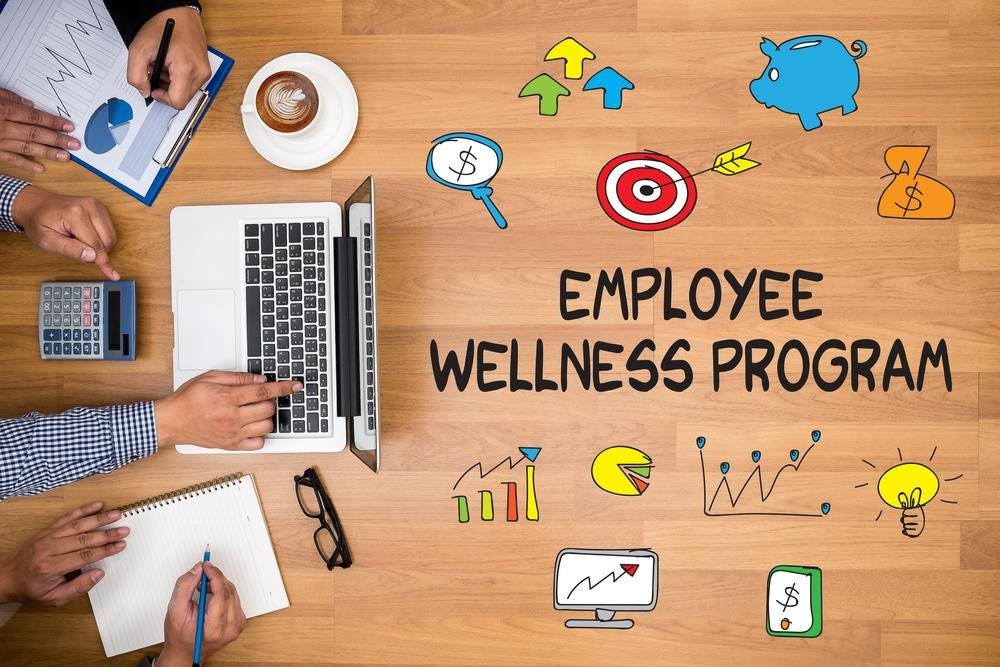
An employee wellness program is a structured, company-led initiative designed to improve the holistic health of your workforce. It’s a comprehensive approach that recognizes an employee’s well-being is multifaceted, often encompassing five key elements:
Career: Feeling fulfilled and engaged by daily work.
Social: Building meaningful friendships and a sense of belonging.
Financial: Managing finances effectively and reducing money-related stress.
Physical: Having the health and energy to live a full life.
Community: Feeling connected and proud of where you work and live.
When you invest in these areas, you’re not just offering benefits; you’re creating an environment where people can thrive both personally and professionally.
Why a Holistic Approach to Wellness Is a Game-Changer
Investing in employee wellness isn’t just an act of goodwill—it delivers a powerful, measurable return. For employees, the benefits are clear: improved physical and mental health, reduced stress levels, higher engagement, and lower rates of absenteeism. They feel valued and supported, which directly translates into their work.
For the company, the results are just as compelling. Organizations with highly effective wellness programs see significantly lower voluntary attrition—a staggering 9% compared to 15% at companies with less effective programs. Beyond retention, the financial ROI is undeniable. A landmark review of Johnson & Johnson’s program revealed a return of $2.71 in healthcare savings for every $1 invested. This proves that a healthier, happier workforce is also a more productive and loyal one.
Crafting a Program That Truly Resonates with Your Team
Effective employee wellness programs are not one-size-fits-all. They are tailored to the unique needs of the workforce, whether your team is in-office, fully remote, or hybrid. The most successful strategies offer a diverse menu of initiatives that touch on different aspects of well-being.
Supporting Physical and Mental Well-being
This is often the foundation of any wellness program. Initiatives can range from subsidized gym memberships and on-site fitness classes to ergonomic workstation assessments and healthy snack bars. For remote employees, this could mean virtual yoga sessions or subscriptions to fitness apps.
Equally critical is mental health support. Providing access to meditation apps, confidential counseling through an Employee Assistance Program (EAP), and workshops on stress management empowers employees to care for their mental fitness with the same importance as their physical health.
Fostering Financial and Career Health
Financial stress is a major drain on productivity and overall happiness. You can provide powerful support through workshops on budgeting, retirement planning, and debt management. This demonstrates a commitment to your team’s long-term stability.
At the same time, career well-being is about growth and purpose. Nurturing professional development through mentorship programs, leadership training, and clear paths for advancement are powerful occupational wellness examples that show you’re invested in their entire journey, not just their current role.
Building Community and Work-Life Harmony
A sense of connection is vital for morale and collaboration. Team-building activities, volunteer days, and social events help foster the meaningful relationships that make work more enjoyable. Events that bring people together are key; if you’re looking for fresh inspiration, you can Discover wellness fair ideas Explore employee to kickstart your planning.
Furthermore, promoting a healthy work-life balance is non-negotiable. Policies like flexible work schedules, generous paid time off, and encouraging employees to fully disconnect after hours are essential for preventing burnout and maintaining long-term performance.
From Idea to Impact: Your 6-Step Implementation Roadmap
Launching a successful wellness program requires thoughtful planning and execution. Following a clear roadmap ensures your efforts are strategic, well-received, and sustainable.
Assess Your Team’s Needs: Don’t guess what your employees want. Use anonymous surveys and focus groups to gather direct feedback on their biggest wellness challenges and what kind of support they would find most valuable.
Set Clear, Measurable Goals: Based on the feedback, define what success will look like. Your goals could be to reduce absenteeism by a certain percentage, increase participation in mental health resources, or improve employee satisfaction scores related to well-being.
Design & Budget Your Initiatives: Create a list of potential programs that align with your goals and employee needs. A common question at this stage is about budgeting, and understanding how much do wellness programs cost will help you create a realistic and impactful proposal for leadership.
Secure Leadership Buy-In: Present your plan to executives, highlighting the expected impact on employee retention, productivity, and healthcare costs. When leaders champion the program, it signals its importance to the entire organization.
Launch & Communicate Effectively: Roll out the program with a clear and enthusiastic communication campaign. Use multiple channels—email, team meetings, internal chat—to explain the offerings, how to participate, and the “why” behind the initiative.
Measure, Gather Feedback, and Evolve: Wellness is not a “set it and forget it” initiative. Regularly track participation rates, monitor progress toward your goals, and continue to solicit employee feedback to refine and improve your offerings over time.
Maximizing Your Return on Well-being
For an employee wellness program to deliver the highest ROI, it must be woven into the fabric of your company culture. Success hinges on a few key factors: visible support from leadership at all levels, clear alignment with company values, and easy, equitable access for all employees.
It’s also crucial to ensure your program is legally compliant, especially regarding incentives. For example, financial incentives are often limited to a percentage of the total cost of a health plan (e.g., 30%, or up to 50% for smoking cessation programs). Appointing departmental “Wellness Coordinators” can also help advocate for health and drive grassroots engagement.
The Future of Work Is a Healthy One
Ultimately, investing in employee wellness programs is an investment in the resilience and vitality of your organization. It’s a strategic declaration that you see your employees as whole people and are committed to creating a workplace where they can not only succeed but truly flourish. This human-first approach is no longer an edge—it’s the foundation of every great company today and tomorrow.
I am a writer specializing in health and lifestyle, committed to delivering well-researched, engaging, and insightful content. With a keen eye for trends and a deep understanding of health, presenting and exploring topics ranging from nutrition and mental health to sustainable living. This writing is solely intended to educate, inspire, and empower readers to live a healthier, more balanced life.