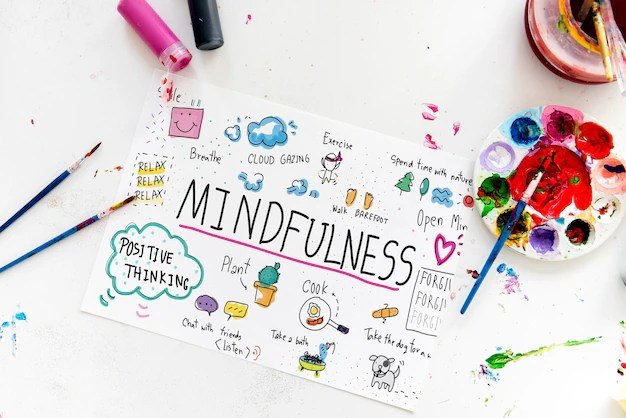
Do you ever feel like you’re on autopilot, moving through your day without truly experiencing it? In a world of constant notifications and endless to-do lists, it’s easy to feel disconnected from the present moment. Mindfulness offers a simple, powerful way to press pause and reconnect with yourself and the world around you.
This isn’t about chanting on a mountaintop or emptying your mind of all thoughts—it’s far more accessible than that. It’s about learning to pay attention on purpose, with curiosity and kindness. This guide will walk you through the essential first steps, demystify the practice, and connect you to deeper resources to support your journey.
At its core, mindfulness is the ability to be fully present and aware of where we are and what we’re doing. It’s about noticing your senses, thoughts, and emotions without getting swept away by them. You learn to observe what’s happening in your mind and body without judgment.
Many people think mindfulness and meditation are the same thing, but there’s a key difference. Think of mindfulness as the quality of awareness, and meditation as the workout you do to build that awareness. During meditation, you intentionally set aside time to practice observing your inner world, often using your breath as an anchor.
The goal isn’t to stop your thoughts or achieve a perfectly calm state. Your mind is designed to think! The practice is simply noticing when your mind has wandered and gently guiding your attention back to the present moment, over and over again.
The Science-Backed Benefits of a Mindful Brain
Committing to a mindfulness practice does more than just help you feel calmer; it can physically change your brain for the better. Research shows that consistent practice can actually increase the gray matter in areas linked to learning, memory, and emotional regulation. It strengthens the connections between neural pathways, helping you become less reactive and more intentional.
The benefits ripple out into every area of life, helping you to:
Reduce stress and feelings of overwhelm.
Improve your ability to focus and concentrate.
Enhance self-awareness and emotional intelligence.
Cultivate deeper connections with others.
Boost creativity and problem-solving skills.
Develop a healthier relationship with physical and mental pain.
Your First Mindful Moment Can Happen Right Now
You don’t need any special equipment or experience to start. All you need is a few minutes and a willingness to be curious. This simple meditation is a perfect entry point for any beginner.
Find a comfortable seat. Sit in a chair with your feet flat on the floor or on a cushion with your legs crossed. The key is a stable, relaxed posture that you can hold without slumping.
Rest your hands. Let your arms and hands rest naturally on your legs.
Soften your gaze. You can close your eyes or simply look downward a few feet in front of you.
Bring attention to your breath. Notice the physical sensation of the air moving in and out of your body. Feel your chest rise and fall. Don’t try to change it; just observe it.
Gently return when your mind wanders. Your mind will wander to thoughts, worries, or daydreams. When you notice this has happened, gently and without judgment, guide your focus back to the sensation of your breath. This is the core of the practice.
Gently end the practice. When you’re ready, slowly lift your gaze or open your eyes. Take a moment to notice the sounds around you and the physical sensations in your body before you get up.
Weaving Mindfulness Into Your Busy Day
Formal meditation is a powerful tool, but the ultimate goal is to bring that sense of awareness into your everyday life. You can practice mindfulness while washing the dishes, walking to your car, or listening to a friend. It’s about turning routine actions into opportunities for presence.
Simple Exercises to Get You Started
The 4-7-8 Breath: When you feel stressed, pause and try this. Inhale through your nose for a count of 4, hold your breath for a count of 7, and exhale completely through your mouth for a count of 8.
The Body Scan: Lie down and close your eyes. Slowly bring your attention to each part of your body, from your toes to the top of your head. Simply notice any sensations—warmth, tingling, tightness—without needing to change them.
Mindful Moments: Choose a routine trigger, like your phone ringing or boiling the kettle. Use that moment to take one conscious breath before you react, grounding yourself in the present.
Cultivating the Right Mindset for Your Practice
As you practice, it helps to cultivate certain attitudes. These aren’t rules to follow perfectly but gentle reminders to guide you. They include patience, acceptance, trust, non-judgment, and maintaining a “beginner’s mind”—a willingness to see everything as if for the first time. For those seeking a more structured way to build these foundational abilities, exploring dbt mindfulness skills can provide a powerful, therapeutic framework for developing greater emotional awareness.
What Mindfulness Is Not: Clearing Up Common Myths
Many beginners are held back by misconceptions about what mindfulness is supposed to be. Let’s clear a few things up.
Mindfulness is not about stopping your thoughts or “clearing your mind.” It’s about changing your relationship with your thoughts so they don’t control you. It’s also not a way to escape reality or fix a personal flaw. Instead, it’s about learning to be with reality—and yourself—exactly as it is in this moment. Finally, while its roots are in ancient traditions, the practice itself is secular and accessible to everyone, regardless of their beliefs.
There is no “wrong way” to be mindful. The only goal is to show up and pay attention. Each time you notice your mind has wandered and you gently bring it back, you are strengthening your mindfulness muscle. This is the entire practice. Start small, be kind to yourself, and trust that your first step is always enough.
I am a writer specializing in health and lifestyle, committed to delivering well-researched, engaging, and insightful content. With a keen eye for trends and a deep understanding of health, presenting and exploring topics ranging from nutrition and mental health to sustainable living. This writing is solely intended to educate, inspire, and empower readers to live a healthier, more balanced life.