In a world that constantly pulls for our attention, it’s easy to feel overwhelmed, reactive, and disconnected from the present moment. If you’ve ever found your mind racing with worries about the future or replaying events from the past, you’re not alone. Mindfulness meditation offers a powerful, science-backed toolkit to anchor you in the now, reduce stress, and improve your overall wellbeing.
This is your central guide to understanding and practicing these transformative techniques. We’ll explore simple exercises you can do anywhere, how to build a formal meditation routine, and the profound benefits of making mindfulness a part of your daily life.
Mindfulness is the basic human ability to be fully present—to be aware of where we are and what we’re doing, without being overly burdened by the whirlwind of activity around us. It’s a mental training practice that teaches you to slow down, let go of negativity, and calm both your mind and body.
At its heart, mindfulness combines meditation with a focused awareness of the present. The goal is to acknowledge and accept your thoughts, feelings, and bodily sensations without judging them as “good” or “bad.” You simply observe them, creating a space between a trigger and your reaction.
Simple Mindfulness Exercises You Can Try Today
You don’t need a special cushion or a silent retreat to begin. Mindfulness can be practiced in short bursts throughout your day to ground yourself and restore clarity.
For a Quick Reset (Under 5 Minutes)
These techniques are perfect for when you feel stress rising or your thoughts spiraling.
The Five Senses Exercise: This is a fast and effective way to pull your attention back to the present moment. Simply pause and notice:
5 things you can see. Look around and acknowledge five objects without labeling them—just notice their color, shape, and texture.
4 things you can feel. Bring awareness to the sensation of your clothes on your skin, the chair beneath you, or the temperature of the air.
3 things you can hear. Listen for sounds near and far, from the hum of a computer to a bird chirping outside.
2 things you can smell. Notice any scents in the air, whether it’s your coffee or the faint smell of rain.
1 thing you can taste. You might notice the lingering taste of your last meal or simply the neutral taste inside your mouth.
The 3-Minute Breathing Space: This structured exercise is a powerful mini-meditation.
Minute 1: Check In. Ask yourself, “How am I doing right now?” Notice your thoughts, feelings, and physical sensations without needing to change them.
Minute 2: Focus on the Breath. Gently guide your full attention to the physical sensation of your breath as it enters and leaves your body.
Minute 3: Expand Your Awareness. Widen your attention from your breath to encompass your entire body, including any tension or discomfort, before expanding it to the room around you.
For Deeper Awareness
When you have a bit more time, these practices cultivate a stronger mind-body connection.
The Body Scan: This foundational meditation helps you tune into physical sensations. Lie down comfortably or sit in a chair. Close your eyes and bring your awareness to your breath. Then, systematically guide your attention through your body, starting from your toes and moving all the way up to your head. For each part, simply notice any sensations—warmth, tingling, tightness, or nothing at all—without judgment.
Mindful Observation: This practice sharpens your focus on the world around you. Try Mindful Seeing by looking out a window and observing without labels. Instead of thinking “tree,” notice the intricate patterns of the bark, the varying shades of green in the leaves, and the way the branches move in the wind. You can do the same with Mindful Listening, tuning into the soundscape around you as if it were a symphony.
How to Build a Formal Meditation Practice
While short exercises are beneficial, a consistent seated meditation practice can create lasting change in your brain and your life. Here’s how to get started.
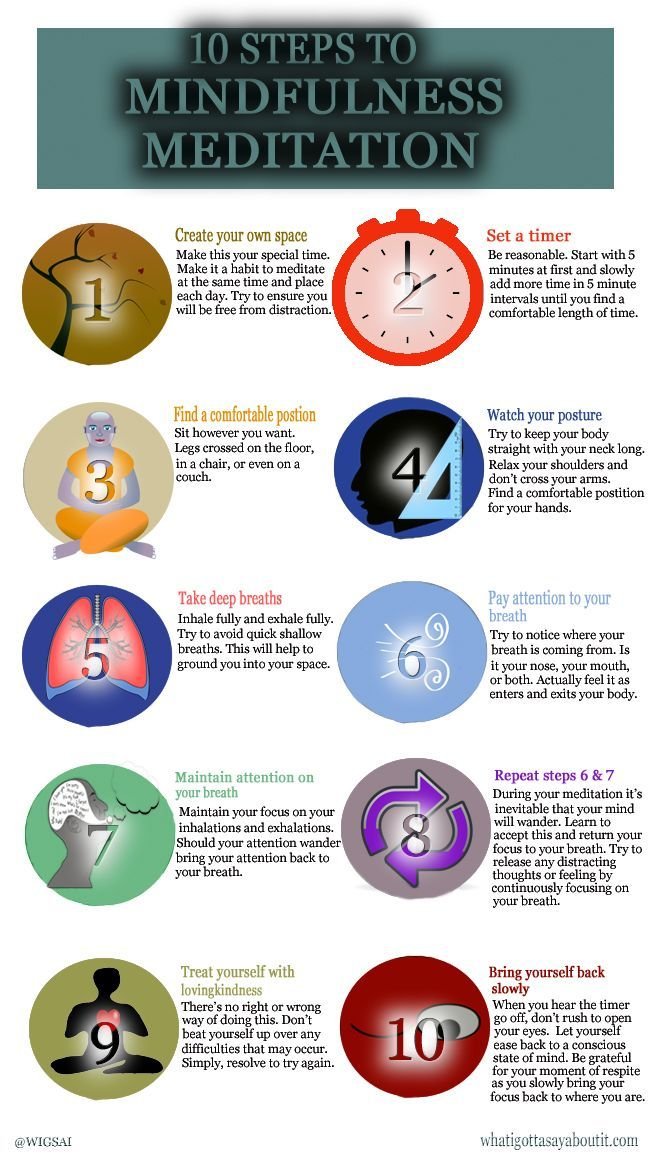
Find Your Space and Time: Choose a quiet place where you won’t be disturbed. Starting with just 5 or 10 minutes a day is perfect. Consistency is more important than duration.
Settle Into Your Posture: Sit on a cushion on the floor or in a chair with your feet flat. Keep your upper body straight but not stiff. Let your hands rest on your legs, lower your chin slightly, and allow your gaze to soften.
Focus on Your Breath: Turn your attention to the physical sensation of breathing. Notice the air flowing through your nostrils or the gentle rise and fall of your chest and belly. Your breath is your anchor to the present moment.
Gently Handle a Wandering Mind: Your mind will wander. That’s what minds do. When you notice your thoughts have drifted, don’t get frustrated. Simply acknowledge where your mind went and gently guide your focus back to your breath. Many beginners get caught up in what do you think about, but the goal isn’t to have an empty mind; it’s to build the skill of noticing and returning, again and again.
The Science-Backed Benefits of a Mindful Brain
Mindfulness isn’t just a philosophy; its benefits are measurable. Neuroscientist Amishi Jha found that meditating for just 12 minutes a day, five days a week, can significantly protect and strengthen your attention. Regular practice over eight weeks has been shown to physically change the brain.
This practice is also a core skill in therapeutic approaches like Dialectical Behavioral Therapy (DBT), where it helps individuals observe, describe, and participate in the present moment non-judgmentally. This has profound implications for managing challenging conditions:
Anxiety & Stress: Mindfulness creates a buffer between a stressful trigger and your impulsive reaction, helping to lower heart rate and blood pressure.
Depression: By grounding you in the present, mindfulness can help you break free from cycles of rumination and choose responses not driven by difficult emotions.
Anger: The practice helps you recognize the physical sensations of anger as they arise, giving you the space to respond with compassion rather than react impulsively.
Addiction: It enhances awareness of cravings and emotions, allowing you to see them as temporary mental events that can be observed and tolerated without acting on them.
Beyond the Cushion: Integrating Mindfulness into Daily Life
The true power of mindfulness unfolds when you carry it with you throughout your day. You can transform mundane activities into opportunities for practice.
When you wash the dishes, feel the warm water on your hands and notice the scent of the soap. While brushing your teeth, pay full attention to the movement of the bristles. When you’re walking, feel your feet connecting with the ground. By bringing this focused, non-judgmental awareness to everyday moments, you train your brain to stay present more often.
This journey isn’t about achieving perfection or eliminating all thoughts. It’s about building a kinder, more attentive relationship with yourself and the world, one breath at a time. Start small, be consistent, and notice the calm and clarity that begin to grow.
I am a writer specializing in health and lifestyle, committed to delivering well-researched, engaging, and insightful content. With a keen eye for trends and a deep understanding of health, presenting and exploring topics ranging from nutrition and mental health to sustainable living. This writing is solely intended to educate, inspire, and empower readers to live a healthier, more balanced life.