It’s a startling thought: some researchers estimate we spend as much as 95% of our lives on autopilot, just existing rather than truly living. We replay past arguments while driving, worry about tomorrow’s to-do list while eating dinner, and scroll through our phones while our kids tell us about their day. This is where dbt mindfulness skills come in—not as a complex spiritual practice, but as a set of practical, life-altering tools designed to pull you out of your head and into the present moment.
This isn’t about emptying your mind or finding some mythical state of constant bliss. It’s about learning to steer your attention, manage overwhelming emotions, and participate fully in your own life. It’s the foundation of a more intentional, less reactive way of being.
New to Dialectical Behavior Therapy (DBT) or its approach to mindfulness? Here’s what you need to know to get started.
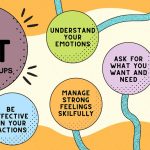
What It Is: DBT mindfulness is a set of six core skills that teach you what to pay attention to (your thoughts, feelings, and sensations) and how to pay attention (without judgment, one thing at a time).
Why It Matters: It’s the foundational module of DBT. You can’t regulate your emotions, tolerate distress, or improve your relationships if you aren’t first aware of what’s happening inside and around you.
The Core Skills: They’re broken into two groups: “What Skills” (Observe, Describe, Participate) and “How Skills” (Nonjudgmentally, One-mindfully, Effectively).
Who It’s For: Anyone who feels disconnected, overwhelmed by intense emotions, or caught in cycles of rumination about the past and anxiety about the future.
Why Mindfulness Is the Cornerstone of DBT
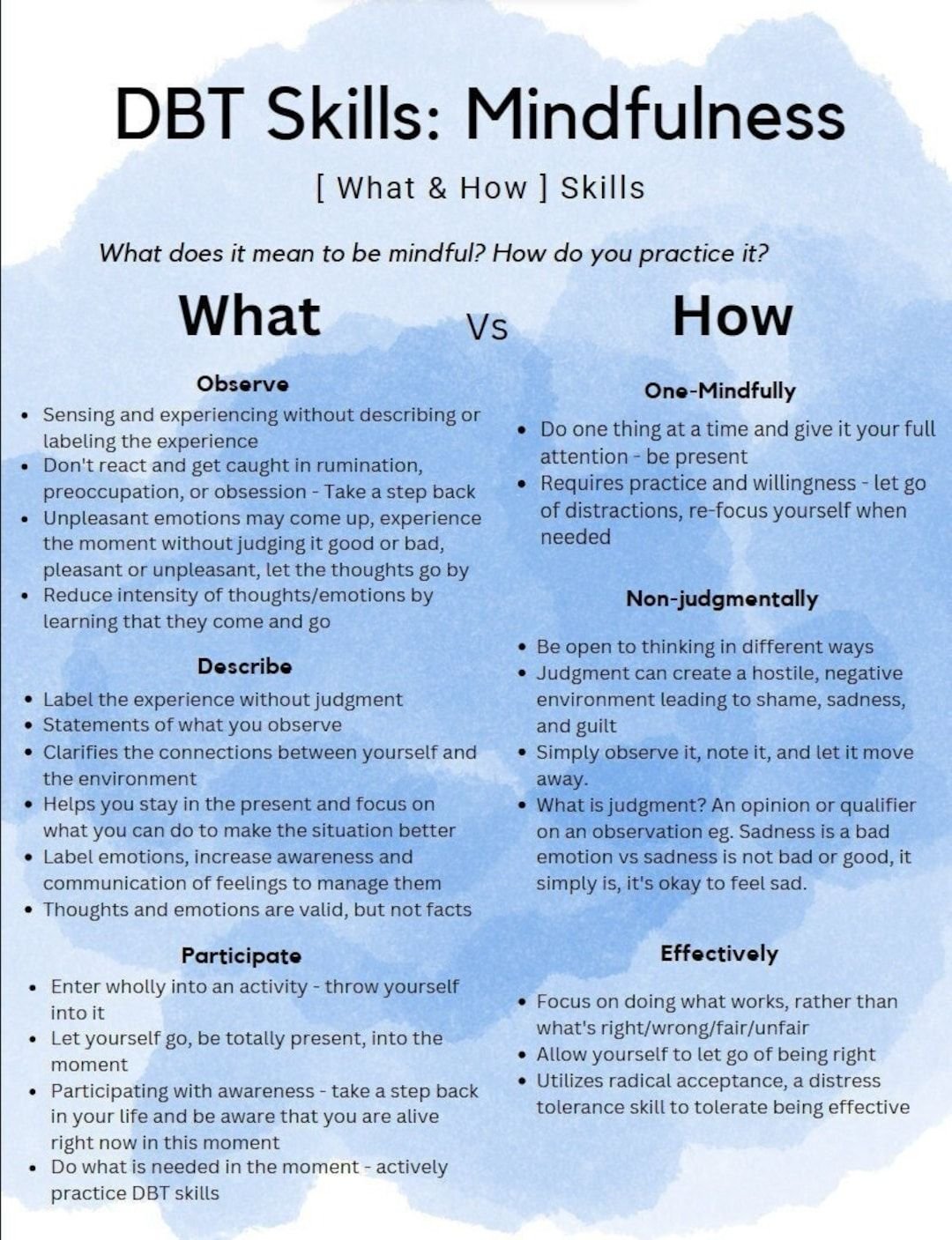
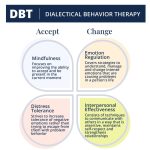
Dialectical Behavior Therapy (DBT) was originally developed by Dr. Marsha Linehan to help people experiencing intense, painful emotions. It’s built on four key modules: Distress Tolerance, Emotion Regulation, Interpersonal Effectiveness, and the one that holds them all together—Mindfulness.
Think of mindfulness as the control tower for your mind. Before you can use any other DBT skill, you first have to be aware of what’s happening. You can’t regulate an emotion you don’t notice you’re having. You can’t tolerate distress if you’re completely lost in a panic.
Mindfulness skills give you the ability to press pause between a trigger and your reaction. In that tiny space, you gain the power to choose a more skillful response instead of being hijacked by your feelings. This is why you must first Learn DBT mindfulness skills before effectively applying the rest of the therapy.
The “What” Skills: Your Toolkit for Paying Attention
The “What” skills are the concrete actions of mindfulness. They are the verbs—the things you actively do to bring yourself into the present moment. There are three of them, and they work together seamlessly.
1. Observe: Become a Silent Witness to Your Experience
Observing is the practice of noticing your internal and external experiences without getting stuck in them. It means sensing things directly, without the filter of your thoughts or stories.
Imagine your thoughts and feelings are clouds passing in the sky. Your job is not to stop the clouds, change them, or judge them. It’s simply to lie back on the grass and watch them drift by.
What it looks like: Noticing the physical sensation of tightness in your chest without immediately labeling it “anxiety.” Feeling the warmth of a coffee mug in your hands. Hearing the sound of a bird outside your window. You are simply gathering raw data from your senses.
2. Describe: Put Words to What You Notice
Once you observe something, the next step is to describe it. This involves putting a non-judgmental label on your experience. Describing pulls the thought or feeling out of the abstract and makes it a concrete, observable thing.
The key is to stick to the facts. Use phrases like “I am noticing the thought that…” or “I am feeling the sensation of…”
What it looks like:
Instead of “I’m so anxious,” try: “I notice a feeling of tightness in my stomach and my heart is beating fast.”
Instead of “This is a terrible day,” try: “I am having the thought that this day is not going well.”
This simple shift creates distance. You are not your thoughts; you are the one who notices your thoughts.
3. Participate: Dive Fully into the Moment
Participation is about throwing yourself completely into the current activity. It’s the opposite of multitasking or being distracted. When you participate, you become one with what you are doing, letting go of self-consciousness.
This is the skill that brings mindfulness to life. You can participate in anything: eating a meal, having a conversation, washing the dishes, or playing a sport. It’s about being all in, right here, right now. To build this skill, you need to Practice DBT mindfulness regularly, even in small, everyday moments.
The “How” Skills: The Mindset for Effective Practice
If the “What” skills are the actions, the “How” skills are the attitudes or mindsets you bring to those actions. Without them, your attempts at mindfulness can quickly become just another source of judgment and frustration.
1. Nonjudgmentally: Drop the “Good” and “Bad” Labels
This is often the most challenging yet most liberating skill. Practicing nonjudgmentally means seeing things as they are, without layering your own evaluations of “good,” “bad,” “right,” “wrong,” “stupid,” or “unfair” on top.
Pain is a fact of life, but suffering often comes from the judgments we attach to our pain. A headache is just a physical sensation. The thought “Why does this always happen to me? I can’t get anything done!” is the judgment that creates suffering.
What it looks like: You make a mistake at work. The judgmental thought is, “I’m such an idiot.” The non-judgmental observation is, “I notice I made an error in that report. Now I will focus on correcting it.”
2. One-Mindfully: The Radical Act of Doing One Thing at a Time
Our culture celebrates multitasking, but neuroscience shows it’s a myth. We’re actually just switching our attention back and forth very quickly, which is inefficient and exhausting.
One-mindfully is the antidote. It means bringing your full attention to the task at hand. When you are eating, just eat. When you are walking, just walk. When your mind wanders (and it will), gently and without judgment, guide it back to what you are doing.
What it looks like: Putting your phone away during a conversation and giving the other person your complete focus. Turning off the TV while you eat so you can actually taste your food. This focus is a core part of how you can Learn DBT Mindfulness Skills and apply them effectively.
3. Effectively: Focus on What Works, Not What’s “Right”
Being effective means doing what is necessary to achieve your goals in a given situation, rather than being driven by powerful emotions like anger, pride, or righteousness. It’s about letting go of the need to be “right” and focusing on what will actually work.
It requires you to ask yourself: “What is my goal in this situation? What do I need to do to get there?”
What it looks like: You’re stuck in traffic and feeling enraged. The ineffective urge is to lean on your horn and curse at other drivers. The effective action is to accept the reality of the traffic, take some deep breaths, and perhaps call to let someone know you’ll be late. It’s about choosing pragmatism over emotional impulse.
Putting It All Together: A Real-World Example
Let’s see how these six skills work in a common, stressful scenario: You receive a critical email from your boss. The Autopilot Reaction:
Your stomach clenches. Your mind races: “She thinks I’m incompetent! I’m going to get fired. This is so unfair, I worked so hard on that project.” You fire back a defensive, emotional reply without thinking. The Mindful DBT Response:
Observe: You notice your heart beating faster, a hot flush in your face, and a knot in your stomach. You notice the catastrophic thoughts (“I’m getting fired!”).
Describe: You say to yourself, “I’m noticing a strong feeling of defensiveness. I’m having thoughts about being fired. My body feels tense.”
Nonjudgmentally: You resist the urge to label yourself (“I’m a failure”) or your boss (“She’s a tyrant”). You simply acknowledge the facts: “This email contains critical feedback.”
One-Mindfully: Instead of immediately typing a reply while your mind is racing, you push back from your desk. You focus on one thing: taking three slow, deep breaths.
Effectively: You ask, “What is my goal here? To defend my ego, or to address the feedback professionally and keep my job?” You realize that a calm, thoughtful response is what works.
Participate: You fully engage in crafting a professional reply, addressing the points of feedback clearly and calmly, and then move on to your next task without replaying the event over and over in your head.
The Tangible Benefits of Mastering DBT Mindfulness
This isn’t just about feeling a little calmer. The consistent practice of DBT mindfulness skills has well-documented benefits that can ripple through every area of your life. For those looking for structured guidance, you can often find a helpful Learn about DBT mindfulness PDF online to support your journey. Key benefits include:
Enhanced Emotional Well-Being: By learning to observe emotions without being consumed by them, you reduce the intensity of stress, anxiety, and depression.
Improved Focus and Concentration: Training your brain to be one-mindful strengthens your ability to concentrate on tasks at work, in school, and at home.
Better Physical Health: Studies have linked mindfulness practice to better sleep quality, lower blood pressure, and improved management of chronic pain conditions like fibromyalgia and migraines.
More Fulfilling Relationships: When you can listen one-mindfully and communicate effectively (rather than reactively), your connections with others deepen.
Help for Disordered Eating: DBT mindfulness is particularly effective in helping individuals manage conditions like binge eating by increasing awareness of hunger cues and emotional triggers.
Common Questions & Roadblocks
As you start practicing, a few common hurdles and questions are bound to pop up. Here’s how to navigate them.
Q: Isn’t this just meditation?
A: Not exactly. Meditation is a formal practice of mindfulness, like going to the gym for your brain. But mindfulness itself is a way of living that you can apply to any moment of your day. You can be mindful while brushing your teeth, commuting to work, or talking with a friend. Meditation is the training; mindfulness is the game.
Q: I tried, and my mind is too busy. Am I doing it wrong?
A: Absolutely not! A busy mind is a normal mind. The goal of mindfulness is not to have an empty mind. The goal is to notice when your mind has wandered and, without judgment, gently guide it back. Every time you notice you’re distracted and return your focus, you’ve just done a successful rep. That noticing is the practice.
Q: How long does it take to see results?
A: Mindfulness is a skill, like learning a musical instrument. You won’t be a virtuoso overnight. You may feel immediate, fleeting moments of calm, but the lasting changes in emotional regulation and focus come from consistent practice over weeks and months. Be patient and compassionate with yourself.
When to Consider a Mindfulness Coach
While you can certainly begin this journey on your own, sometimes professional guidance can make all the difference. A DBT therapist or a certified mindfulness coach can provide structure, accountability, and personalized feedback.
Consider seeking professional help if you:
Are dealing with a specific issue like severe anxiety, trauma, or depression.
Find it difficult to stay motivated on your own.
Want a customized program tailored to your specific goals.
A coach can guide you through meditations, help you troubleshoot roadblocks, and integrate these skills into your daily life. According to national averages in the U.S., a session typically costs around $150, with many coaches offering virtual sessions via platforms like Zoom or Skype. It can be incredibly helpful to Learn DBT mindfulness skills with the support of a trained professional.
Your First Step: Start Small, Start Now
Feeling overwhelmed by all this information? That’s okay. The beauty of mindfulness is that you can start right now, with a single minute. Try the “One-Minute Mindful Breath”:
Set a timer for 60 seconds.
Sit or stand comfortably. Close your eyes if you’d like.
Bring your entire attention to the sensation of your breath. Notice the feeling of the air entering your nostrils, filling your lungs, and then leaving your body.
Your mind will wander. It will think about your to-do list, an itch on your nose, or what to have for lunch. That’s 100% normal.
Each time you notice your mind has drifted, gently acknowledge it (“thinking”) and guide your focus back to your breath.
That’s it. In that one minute, you have practiced observing, being one-mindful, and non-judgmentally returning your attention. You have taken the first, most important step toward reclaiming your life from autopilot and learning to live fully, one present moment at a time.
I am a writer specializing in health and lifestyle, committed to delivering well-researched, engaging, and insightful content. With a keen eye for trends and a deep understanding of health, presenting and exploring topics ranging from nutrition and mental health to sustainable living. This writing is solely intended to educate, inspire, and empower readers to live a healthier, more balanced life.