Of course. Here is the comprehensive Super Pillar hub article on “what is mindfulness,” crafted to your specifications.
Ever feel like you’re living on autopilot? You drive to work but don’t remember the journey, or you finish a meal without truly tasting it. Your mind is constantly somewhere else—rehashing the past, rehearsing the future, and missing the only moment you ever really have: right now.
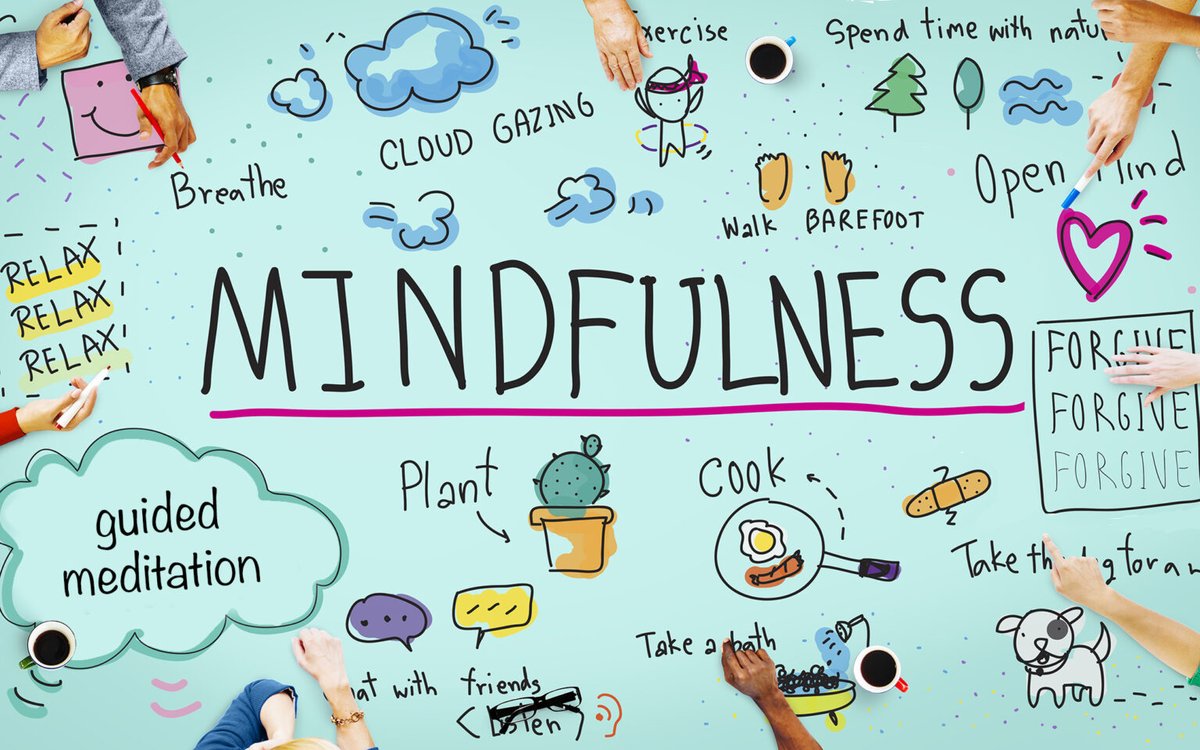
This is where mindfulness comes in. It’s the simple, intentional practice of paying attention to the present moment without judgment. It’s not about emptying your mind or stopping your thoughts; it’s about noticing them, along with your feelings and bodily sensations, with a gentle curiosity.
Though its roots trace back thousands of years to Buddhist philosophy, mindfulness was introduced into mainstream Western culture by Jon Kabat-Zinn in the 1970s. He developed the Mindfulness-Based Stress Reduction (MBSR) program to help people manage chronic pain, and in doing so, he created a secular, accessible framework for this transformative practice.
At its core, mindfulness is built on two key components: awareness and acceptance. It’s about seeing what’s happening, both inside and out, and allowing it to be there without immediately trying to fix or change it. While these ideas sound similar, it’s helpful to Understand Mindfulness vs. Awareness to grasp the full picture.
This foundation supports several essential skills you cultivate through practice:
Observing Without Reacting: You learn to notice thoughts, emotions, and sensations as they arise without getting swept away by them. You see the wave without becoming the wave.
Curious Observation: Instead of analyzing or critiquing your inner world, you approach it with genuine curiosity. You become an impartial observer of your own experience.
Acting with Awareness: You shift from running on autopilot to being fully engaged in what you’re doing. Every action, from brushing your teeth to talking with a friend, becomes more deliberate and rich.
Describing Your Inner World: By putting words to your feelings and thoughts (“I’m noticing a feeling of tightness in my chest”), you gain clarity and distance, preventing them from overwhelming you.
Non-Judgment: This is perhaps the most crucial element. You practice observing your experiences without labeling them as “good” or “bad.” A thought is just a thought; a sensation is just a sensation.
Putting It into Practice: Common Mindfulness Techniques
Mindfulness isn’t just a concept; it’s an active practice. You can train your attention just like you train a muscle, bringing it back to the present moment whenever it wanders.
Formal Practices for Deeper Focus
Formal practice involves setting aside dedicated time to focus inward. These sessions are the foundation for building your mindfulness skills.
Mindfulness Meditation: This is the cornerstone practice. You find a comfortable position, choose an anchor for your attention (like your breath), and gently return your focus to it every time your mind wanders. To get started, you can Explore various mindfulness meditation techniques that fit your style.
The Body Scan: Lying down comfortably, you systematically guide your attention through your entire body, from your toes to the top of your head. You simply notice any sensations—warmth, tingling, pressure, or nothing at all—without judgment.
Loving-Kindness Meditation (Metta): This practice cultivates compassion. You silently repeat phrases of well-wishing, first for yourself (“May I be happy”), then for loved ones, neutral people, and eventually all beings.
Informal Practices for Everyday Life
Informal mindfulness is about weaving awareness into your daily routine. It’s where the benefits of formal practice truly come to life.
Mindful Breathing: You can do this anywhere, anytime. Simply take a few moments to focus on the physical sensation of your breath entering and leaving your body. The 3-Minute Breathing Space is a structured way to do this during a busy day.
Mindful Movement: Activities like walking, stretching, or yoga become opportunities for mindfulness. In a walking meditation, you focus on the sensation of your feet touching and lifting off the ground with each step.
Mindfulness in Daily Activities: Pick one routine task—like washing the dishes or drinking your morning coffee—and engage all your senses. Notice the sights, sounds, smells, tastes, and physical textures involved. These simple shifts can transform routine moments, and you can Discover simple mindfulness exercises to begin today.
How Mindfulness Is Used to Improve Well-Being
The practical applications of mindfulness have led to the development of structured, evidence-based therapies and a growing body of research highlighting its positive effects.
Therapeutic Approaches Rooted in Mindfulness
Mental health professionals have integrated mindfulness into powerful therapeutic models:
Mindfulness-Based Stress Reduction (MBSR): An 8-week program that uses intensive meditation, body scans, and mindful yoga to help individuals cope with stress, anxiety, and chronic pain.
Mindfulness-Based Cognitive Therapy (MBCT): This approach combines mindfulness techniques with Cognitive Behavioral Therapy (CBT) to help people with recurrent depression recognize and manage the thought patterns that can lead to a relapse.
Other Therapies: Mindfulness is also a key component of therapies like Dialectical Behavior Therapy (DBT) and Acceptance and Commitment Therapy (ACT).
The Science-Backed Benefits for Your Mind and Body
The growing body of research is compelling, showing that a consistent mindfulness practice can lead to significant improvements in health and happiness. To dive deeper into the specific improvements you can expect, Learn more about the benefits of mindfulness.
Mental Health: Mindfulness-based interventions can be as effective as CBT for treating anxiety and depression. Some studies even suggest MBSR may work as well as common antidepressant medication for anxiety disorders.
Stress Reduction: It has a moderate but meaningful effect on reducing stress, burnout, and mental distress in both students and employees.
Chronic Pain: It can improve how people manage and relate to chronic pain conditions, including lower back pain, by changing their perception of the pain itself.
Relationships: By reducing emotional reactivity and improving active listening skills, mindfulness helps foster greater empathy and connection with others.
Your First Steps into a More Mindful Life
Getting started with mindfulness doesn’t require a huge commitment or any special equipment. While formal programs like MBSR are incredibly effective, they demand a significant amount of time. You can begin building the habit on your own, right now.
The key is to start small and be consistent. Don’t worry about doing it “perfectly.” The goal is simply to practice.
Decide on a Practice: Will you try a formal 5-minute meditation in the morning, or will you practice informal mindfulness during your lunch break?
Start Small: Just 5 minutes a day is a fantastic starting point. Consistency is far more important than duration.
Find a Quiet Space: For formal practice, find a spot where you won’t be easily disturbed.
Use Guided Meditations: Apps and online resources offer thousands of guided meditations, which can be incredibly helpful when you’re just starting.
Be Patient: Your mind will wander. That’s what minds do. The practice is in gently and kindly guiding it back, over and over again.
If you’re ready to take that first step with clear, actionable guidance, our Get a step-by-step guide on how to practice mindfulness is the perfect place to start.
Beyond the Technique: Making Mindfulness a Way of Being
Ultimately, mindfulness is more than just an exercise or a stress-reduction tool. It’s a way of relating to your life with more presence, clarity, and kindness. It’s about showing up for the full spectrum of your experience—the pleasant, the unpleasant, and the neutral—and realizing that you can navigate it all with a steady and open heart.
The journey isn’t about achieving a permanent state of calm. It’s about learning how to return to the present moment, again and again, creating a foundation of awareness that supports you through everything life has to offer.
I am a writer specializing in health and lifestyle, committed to delivering well-researched, engaging, and insightful content. With a keen eye for trends and a deep understanding of health, presenting and exploring topics ranging from nutrition and mental health to sustainable living. This writing is solely intended to educate, inspire, and empower readers to live a healthier, more balanced life.