The feeling is all too familiar: a racing heart, a tightening chest, and a cascade of thoughts you can’t seem to control. In these moments, finding an off-ramp from the mental traffic jam feels impossible. But what if the tool to restore calm wasn’t outside of you, but was the very rhythm of your own body? A simple deep breathing script is a powerful, portable technique that can anchor your mind and soothe your nervous system in less than five minutes.
It’s not about forcing relaxation; it’s about creating the conditions for it to arise naturally, one intentional breath at a time.
At a Glance: Your Takeaways
The Mind-Body Bridge: Understand why consciously changing your breath pattern is one of the fastest ways to influence your mental and physical state.
A Simple Script Framework: Learn the three essential parts of any effective 5-minute breathing session—the setup, the core practice, and the gentle return.
Three Proven Breathing Rhythms: Discover the 4-7-8, Box Breathing, and 5-3-3 techniques and identify which one is best for calming anxiety, improving focus, or just getting started.
Avoid Common Pitfalls: Learn why feeling dizzy or distracted is normal at first and how to adjust your practice for better results.
Customization is Key: Get simple tips to adapt a basic script for morning energy, midday stress relief, or a pre-sleep wind-down.
Your breath is a unique physiological function—it happens automatically, but you can also control it consciously. This gives you a direct line of communication to your autonomic nervous system, the command center for your stress response.
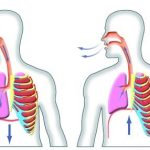
When you feel anxious or stressed, your breathing often becomes shallow and rapid, signaling to your brain that you’re in a “fight-or-flight” state. A deep breathing script intentionally reverses this process. By slowing down and deepening your breath, you activate the parasympathetic nervous system, also known as the “rest and digest” system.
Think of it like this: shallow breathing is the gas pedal for stress, while deep, slow breathing is the brake. Your breath serves as a bridge between your mind and body. The patterns of your breath often reflect your emotional state, and by consciously manipulating that pattern, you can directly influence how you feel both mentally and physically.
Deconstructing the 5-Minute Deep Breathing Script
While the concept is simple, having a structure can make a world of difference for beginners. A guided session prevents your mind from asking, “Am I doing this right?” and allows you to focus on the experience itself. Most effective 5-minute scripts follow a three-part arc.
Part 1: The Setup (The First 60 Seconds)
The goal here isn’t to force relaxation but to create a space for it.
Find Your Posture: Sit in a chair with your feet flat on the floor or on a cushion on the ground. The key is to keep your back straight but not rigid. This allows your diaphragm to move freely. Relax your shoulders down and away from your ears.
Soften Your Gaze: Gently close your eyes or, if you prefer, rest your gaze on a single point on the floor a few feet in front of you.
Initial Scan: Take a moment to just notice. How does your body feel? What is the quality of your thoughts? Don’t judge or try to change anything—just observe. This is your baseline.
Part 2: The Core Practice (The Middle 3 Minutes)
This is where you actively engage with the breath. The focus is on a steady, controlled rhythm. You can use a simple mental count or a mantra to keep your mind anchored.
Focus on Sensation: Bring your full attention to the physical feeling of the breath. Notice the air entering your nostrils, the expansion of your chest and belly, and the gentle release as you exhale.
Introduce a Count or Mantra: To prevent your mind from wandering, give it a simple job. You can use a mantra like, “Breathing in calm, breathing out stress.” Or, you can use a numbered breathing pattern (more on those below).
A basic count is a great start, but a more comprehensive guide can provide the structure needed to build a consistent habit. Our pillar article offers a complete framework. Access the 5-minute script to get a downloadable PDF that integrates these breathing techniques into a full daily meditation.
Part 3: The Gentle Return (The Final 60 Seconds)
Abruptly ending your practice can be jarring. This final phase eases you back into your day with a renewed sense of clarity.
Release Control: Let go of any specific breathing pattern and allow your breath to return to its natural rhythm.
Expand Awareness: Gradually bring your attention back to your surroundings. Notice the feeling of the chair beneath you, the temperature of the air on your skin, and any sounds in the room.
Introduce Gentle Movement: Slowly wiggle your fingers and toes. You might gently roll your neck or stretch your arms.
Open Your Eyes: When you feel ready, slowly open your eyes. Take a moment to notice how you feel compared to when you started.
Finding Your Rhythm: Three Proven Breathing Techniques
There is no single “best” breathing pattern; the most effective one often depends on your goal and personal preference. Experiment with these three popular methods to see what works for you.
Technique
The Rhythm
Best For…
4-7-8 Breath
Inhale for 4s, Hold for 7s, Exhale for 8s
Calming anxiety, preparing for sleep. The long exhale is highly relaxing.
Box Breathing
Inhale for 4s, Hold for 4s, Exhale for 4s, Hold for 4s
Restoring focus, managing stress in the moment. The symmetry is grounding.
5-3-3 Breath
Inhale for 5s, Hold for 3s, Exhale for 3s
Beginners who find longer holds or exhales challenging. It’s a gentle introduction.
The 4-7-8 Breath: The “Relaxing Breath”
Popularized by Dr. Andrew Weil, this technique is a powerful natural tranquilizer for the nervous system. The emphasis on a long, slow exhale (twice as long as the inhale) is key to its calming effect.
How to do it:
Exhale completely through your mouth, making a whoosh sound.
Close your mouth and inhale quietly through your nose for a count of 4.
Hold your breath for a count of 7.
Exhale completely through your mouth, making a whoosh sound, for a count of 8.
This is one breath. Inhale again and repeat the cycle three more times for a total of four breaths. Case Snippet:Alex, a software developer, used to struggle with falling asleep, his mind racing with code from the day. He now practices three cycles of the 4-7-8 breath just before bed. He reports that it helps him “turn off his work brain” and ease into sleep more quickly.
Box Breathing: The “Grounding Breath”
Also known as four-square breathing, this technique is used by Navy SEALs, athletes, and professionals to manage performance under pressure. Its simple, symmetrical structure is easy to remember and incredibly effective for grounding yourself and improving focus.
How to do it:
Slowly exhale to a count of 4.
Hold your breath for a count of 4.
Gently inhale for a count of 4.
Hold your breath at the top for a count of 4.
Repeat the cycle for 2-3 minutes. Case Snippet:Jenna, a customer service representative, uses Box Breathing between difficult calls. She finds that just one minute of this practice helps her reset emotionally, allowing her to approach the next customer with a clear and calm mind.
The 5-3-3 Breath: The “Gentle Start”
For those brand new to breathwork, longer holds can sometimes create more anxiety. The 5-3-3 technique is a softer entry point that still helps to lengthen the breath and slow the heart rate without feeling strained.
How to do it:
Inhale gently through your nose for a count of 5.
Hold briefly for a count of 3.
Exhale smoothly through your mouth or nose for a count of 3.
Repeat for 3-5 minutes, focusing on a smooth, even pace.
Making the Script Your Own
Once you’re comfortable with the basic structure, you can tailor your deep breathing script to fit your specific needs and goals. The intention you set can dramatically change the experience.
Scripting for Morning Energy
To start your day with focus and vitality, emphasize the inhale.
Mantra/Affirmation: As you inhale, think, “I am breathing in energy and clarity.” As you exhale, think, “I am releasing any grogginess.”
Technique: Box Breathing can be excellent here, as it promotes alert focus rather than deep relaxation.
Scripting for Midday Stress Relief
To reset during a busy day, focus on the releasing power of the exhale.
Mantra/Affirmation: Inhale, “I am gathering the stress.” Exhale, “I am letting it go.”
Technique: A simple, elongated exhale works well. Try inhaling for 4 and exhaling for 6. Repeat for 2-3 minutes at your desk.
Scripting for Evening Wind-Down
To prepare your mind and body for sleep, the goal is to calm the nervous system.
Mantra/Affirmation: Inhale, “I am breathing in peace.” Exhale, “I am releasing the day.”
Technique: The 4-7-8 breath is specifically designed for this purpose. The long hold and even longer exhale are deeply sedating.
Quick Answers to Common Breathing Questions
What if my mind keeps wandering?
This is the most common experience, and it’s not a sign of failure. Your mind’s job is to think. The practice of meditation isn’t to have a perfectly empty mind; it’s the gentle act of noticing your mind has wandered and kindly escorting your attention back to the breath. Each time you do this, you are strengthening your focus. Be patient with the process.
Do I have to sit on the floor cross-legged?
Absolutely not. Comfort is more important than tradition. Sitting in a chair with your feet flat on the floor and your spine straight is a perfect way to practice. The goal is a posture that is both alert and relaxed, which is difficult to achieve if you’re uncomfortable.
I feel dizzy when I breathe deeply. What am I doing wrong?
Dizziness is usually a sign of over-breathing or forcing the breath too aggressively. Your deep breaths should feel full and satisfying, but not strained. If you feel lightheaded, ease up. Shorten your inhales and focus on making your exhale smooth and gentle. The 5-3-3 technique is a great alternative if other patterns feel too intense.
Is there a “best” deep breathing technique?
No. The best technique is the one that feels most comfortable and effective for you in a given moment. Box Breathing might be perfect for pre-meeting focus, while the 4-7-8 breath is better for pre-sleep relaxation. Experiment with different rhythms and trust your body’s feedback.
Your Next Breath is Your Next Step
You don’t need a special cushion, a silent room, or an hour of free time to change how you feel. You have a powerful tool for managing stress and finding clarity with you at all times: your breath. A deep breathing script simply provides the instructions to use it effectively.
Don’t wait for the perfect moment. Start small. Tonight, before you turn off the lights, sit on the edge of your bed and try just three rounds of the 4-7-8 breath. Inhale for 4, hold for 7, and exhale for 8. Notice the subtle shift in your body. That small, intentional act is the beginning of a powerful practice.
I am a writer specializing in health and lifestyle, committed to delivering well-researched, engaging, and insightful content. With a keen eye for trends and a deep understanding of health, presenting and exploring topics ranging from nutrition and mental health to sustainable living. This writing is solely intended to educate, inspire, and empower readers to live a healthier, more balanced life.