When anxiety surges, your mind can feel like a loud, crowded party you can’t escape. Racing thoughts, a pounding heart, and an overwhelming sense of dread become the noise you can’t turn down. Meditation offers a practical way to step out of that chaos and find a quiet balcony—a space where you can breathe, observe the noise from a distance, and regain your sense of calm.
This isn’t about emptying your mind or forcing thoughts away. It’s about creating a new relationship with them. Here, you’ll discover how meditation for anxiety works, explore simple techniques to get started, and find the right path to building long-term resilience.
Anxiety isn’t just “in your head”; it triggers a very real physical process known as the “fight-or-flight” response. Meditation works by activating its opposite: the “relaxation response.” This process helps dial down the brain’s alarm system, the amygdala, which often becomes overactive with chronic anxiety.
As you practice, your brain chemistry begins to shift. It can increase levels of “feel-good” chemicals like serotonin and endorphins, promoting a sense of well-being. Over time, this helps you build emotional resilience, making it easier to navigate stressful situations without getting overwhelmed. Many people find that a consistent practice helps reduce symptoms like heart palpitations and anxious thought spirals.
It’s important to remember that meditation is a powerful tool for managing anxiety, but it’s not a replacement for professional help. If you’re struggling with severe anxiety, please consider speaking with a therapist or doctor.
Discover the Right Meditation Technique for You
The word “meditation” covers a wide range of practices, and not every style will feel right for you. The key is to explore a few and see which one resonates. Most techniques for anxiety focus on bringing gentle, nonjudgmental awareness to your thoughts, body, and breath.
Start with Your Breath and Body
Grounding yourself in physical sensations is one of the quickest ways to calm an anxious mind. These techniques use your body as an anchor to the present moment.
Breath Awareness Meditation: This is meditation at its most fundamental. You simply focus on the natural rhythm of your inhalation and exhalation, using the sensation of your breath to gently guide your attention back whenever it wanders.
Body Scan Meditation: Lie down and bring your focus to one part of your body at a time, from your toes to the top of your head. You’ll simply notice any sensations—warmth, tingling, tension—without trying to change them. This practice helps you reconnect with your body and release stored-up physical stress.
Progressive Muscle Relaxation (PMR): This active technique involves tensing a specific muscle group as you breathe in, and then completely relaxing it as you breathe out. PMR makes you highly aware of the difference between tension and relaxation, helping you consciously let go of physical anxiety.
Shift Your Mindset and Perspective
Other practices work by changing the way you relate to your thoughts and feelings, fostering a kinder and more balanced internal environment.
Mindfulness Meditation: The goal here is to become an impartial observer of your thoughts. You acknowledge them as they arise (“Ah, a worried thought”) and then let them pass without getting swept away. This teaches you that you are not your thoughts.
Loving-Kindness Meditation: This practice involves directing well-wishes and feelings of compassion toward yourself and others. By silently repeating phrases like “May I be safe, may I be happy, may I be healthy,” you can soften self-criticism and reduce feelings of isolation that often accompany anxiety.
Practical Tips for Meditating When You Feel Anxious
The idea of sitting still when your mind is racing can feel daunting, but you don’t have to be perfect. The goal is simply to show up for yourself.
Let Go of Expectations: Some days will feel calm, and others will be chaotic. Your only job is to sit and be with whatever comes up, without judging the experience.
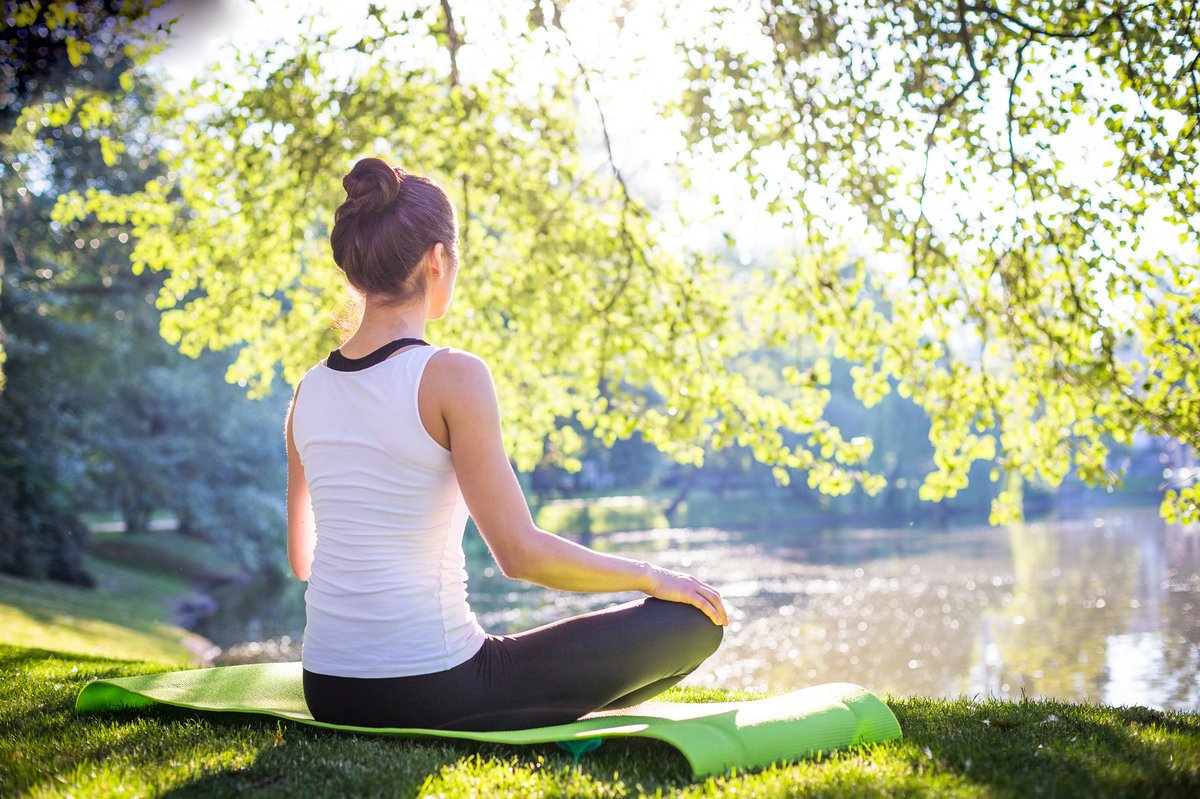
Prepare Your Space: Find a comfortable spot where you won’t be easily disturbed. It doesn’t need to be fancy—a quiet corner of your room is perfect.
Start Small: Consistency is far more important than duration. Even a quick 5 minute meditation for anxiety each day can create meaningful change and build a sustainable habit.
Gently Acknowledge Thoughts: When anxious thoughts appear (and they will), don’t fight them. Simply notice them, label them as “thinking,” and gently guide your focus back to your breath or your body.
Use Your Body as an Anchor: Before you begin, take a moment to tune into your body. Briefly scan from head to toe and consciously soften any areas of obvious tension, like your jaw, shoulders, or hands.
Let a Guide Lead the Way
If you’re feeling overwhelmed or don’t know where to start, you don’t have to do it alone. Guided meditations are an excellent tool, especially when you’re feeling anxious. A teacher’s voice provides structure and focus, gently reminding you where to place your attention and taking the pressure off of “doing it right.” You can find countless guided practices tailored specifically for anxiety online.
Your Path to a Calmer, More Resilient Mind
Learning to meditate for anxiety is a journey, not a quick fix. It’s a skill you cultivate with gentle, consistent practice. Each time you sit down to meditate, you are training your brain to find its way back to a state of balance.
The goal isn’t to get rid of anxiety forever, but to change your relationship with it. Instead of being carried away by the storm, you learn to find your footing, anchor yourself in the present, and remember that you have a quiet, steady place within you that you can always return to.
I am a writer specializing in health and lifestyle, committed to delivering well-researched, engaging, and insightful content. With a keen eye for trends and a deep understanding of health, presenting and exploring topics ranging from nutrition and mental health to sustainable living. This writing is solely intended to educate, inspire, and empower readers to live a healthier, more balanced life.