You’re looking for a mindfulness activities PDF, and for good reason. In a world that constantly pulls for your attention, finding a moment of calm can feel like a revolutionary act. But mindfulness isn’t about escaping reality; it’s about fully arriving in it. We’ve compiled a comprehensive guide packed with proven exercises and free downloadable worksheets to help you, your family, or your team build a powerful and practical mindfulness routine.
This isn’t just another list. It’s a toolkit, grounded in therapeutic principles, designed to bring clarity and peace into your daily life.
A Clear Definition: Understand what mindfulness truly is, beyond the buzzwords, and why it’s a cornerstone of modern therapies like DBT and ACT.
Exercises for Everyone: Discover tailored activities for adults, teens, and children, making mindfulness accessible for any age group.
Targeted Techniques: Find specific worksheets and practices designed to help manage anxiety, depression, addiction, and workplace stress.
Group & Workshop Ideas: Get proven activities, like the classic Raisin Meditation, perfect for therapy sessions, team meetings, or workshops.
Ready-to-Use PDFs: Access links to downloadable resources you can print and use immediately.
So, What Is Mindfulness, Exactly?
At its core, mindfulness is the simple, yet profound, ability to pay attention to the present moment without judgment. It’s about noticing your sensations, thoughts, and feelings as they are, not as you think they should be.
With roots in ancient Hindu and Buddhist traditions, this practice is not about emptying your mind. Instead, it’s about observing your thoughts from a distance, like watching clouds drift across the sky. The goal is to unhook yourself from the habit of adding extra layers of suffering—worry, self-criticism, fear—to life’s inherent difficulties.
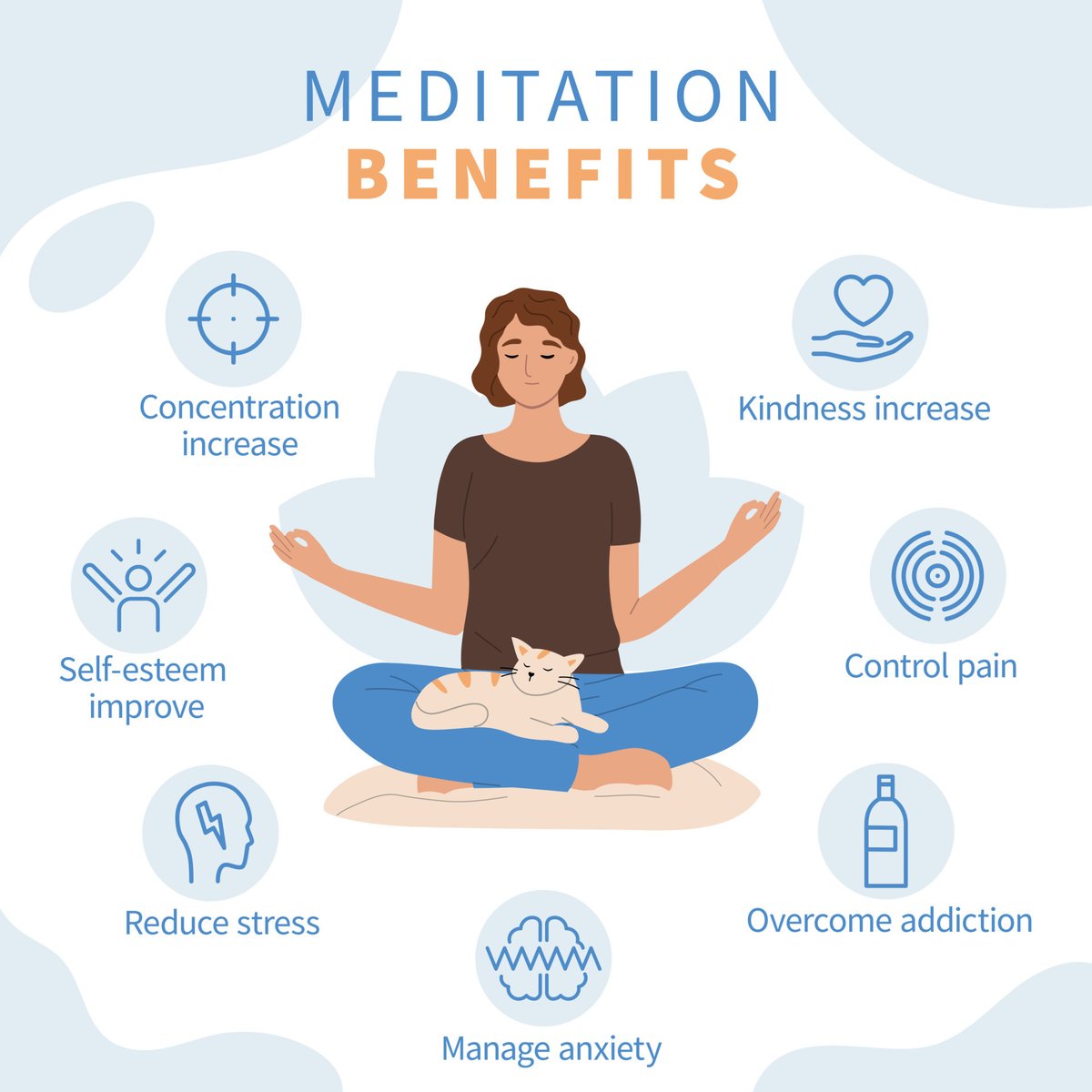
Modern therapeutic approaches like Dialectical Behavior Therapy (DBT) and Acceptance and Commitment Therapy (ACT) have integrated mindfulness as a foundational skill. Why? Because research consistently shows that a steady mindfulness practice can enhance emotional self-regulation, improve attention, and increase psychological flexibility in adults.
The benefits are just as striking for younger minds. Studies on schoolchildren show that mindfulness training can boost working memory, academic skills, self-esteem, and social skills while reducing anxiety, stress, and fatigue.
Find Your Calm: Mindfulness Activities for Adults
For adults, mindfulness is a powerful tool for navigating the pressures of work, family, and personal growth. These exercises are designed to be integrated into a busy life, offering potent moments of peace and clarity.
Square Breathing (Box Breathing)
This technique is a go-to for calming the nervous system when you feel overwhelmed. It’s simple, discreet, and incredibly effective.
Inhale: Slowly breathe in through your nose for a count of four.
Hold: Gently hold your breath for a count of four.
Exhale: Slowly breathe out through your mouth for a count of four.
Hold: Hold your breath at the end of the exhale for a count of four.
Repeat the cycle for 1-2 minutes or until you feel a sense of calm return.
The FLARE Technique for Difficult Emotions
When a negative emotion hijacks your attention, this acronym provides a clear path back to balance.
F – Feel: Acknowledge and allow the physical sensations of the emotion without fighting them.
L – Listen: Pay attention to the self-talk and thoughts accompanying the emotion.
A – Accept: Let the emotion be there without judgment. You don’t have to like it, just allow it.
R – Release: Visualize the emotion dissolving or floating away.
E – Expand: Broaden your awareness beyond the emotion to the space around you.
Nature Play: A 6-Step Mindful Walk
Reconnect with the world outside and the world within. This isn’t about speed or distance; it’s about sensory awareness.
Intention: Set an intention to be fully present.
Arrival: Stand still and take three deep breaths, noticing your feet on the ground.
Listen: Close your eyes for 30 seconds and just listen to the sounds around you.
Observe: Walk slowly, noticing colors, textures, and the play of light and shadow.
Touch: Safely touch a leaf, a stone, or tree bark. Notice its temperature and texture.
Reflect: Find a place to sit for a moment and notice how you feel. For a more structured approach, you can Download mindfulness guide with additional prompts.
The Funeral Meditation for Perspective
This powerful visualization helps reframe challenges as opportunities for growth. It sounds morbid, but its purpose is to clarify what truly matters to you. Imagine you are attending your own funeral and listening to eulogies. What do you hope people would say about you? This exercise reveals your core values, helping you live more intentionally today.
Playful Presence: Mindfulness Exercises for Kids
Teaching mindfulness to children gives them lifelong tools for emotional regulation. The key is to make it fun, engaging, and playful.
Dragon Fire Breathing
This exercise helps kids release physical tension and big feelings in a safe, imaginative way.
Tell your child to sit up tall like a proud dragon.
Have them breathe in deeply through their nose, filling their belly with “fire.”
On the exhale, they open their mouth wide and “breathe out the fire” with a gentle whoosh sound.
Encourage them to imagine breathing out any frustration or wiggles.
Fun Mindful Eating
Transform snack time into a sensory adventure. The famous “Raisin Meditation” is a perfect example, but you can use any small food item like a berry or a piece of chocolate.
See: Have the child pretend they are a scientist from another planet seeing this food for the first time. What does it look like?
Touch: How does it feel in their fingers? Is it smooth, wrinkly, soft?
Hear: Does it make a sound when they squish it slightly?
Smell: What does it smell like?
Taste: Have them place it in their mouth but not chew yet. What do they notice? Then, instruct them to chew very, very slowly, noticing the explosion of flavor.
The Feelings Wheel
Identifying emotions is the first step to managing them. A “Feelings Wheel” is a simple visual tool with different feeling words (happy, sad, angry, surprised, worried). Ask your child to point to the feeling they have right now, helping them build an emotional vocabulary beyond “good” or “bad.”
Navigating the Noise: Mindfulness for Teens
Adolescence is a time of intense change and social pressure. These mindfulness activities are designed to be practical, non-judgmental, and empowering for teens.
Countdown to Calmness (The 5-4-3-2-1 Method)
This is a grounding technique that quickly pulls focus away from overwhelming thoughts and back to the present moment. It’s a lifesaver during moments of high anxiety or panic.
5: Acknowledge FIVE things you can see around you. (A crack in the ceiling, a pen, a speck of dust.)
4: Acknowledge FOUR things you can feel. (The fabric of your jeans, the smooth surface of your phone, your feet on the floor.)
3: Acknowledge THREE things you can hear. (The hum of a computer, distant traffic, your own breathing.)
2: Acknowledge TWO things you can smell. (The coffee on your desk, your own laundry detergent.)
1: Acknowledge ONE thing you can taste. (The faint taste of toothpaste, a sip of water.)
Connect the D.O.T.S.
This worksheet helps teens develop a strategy for dealing with unhelpful thoughts. D.O.T.S. is an acronym for four distinct strategies to try when caught in a negative thought loop.
3-Step Mindfulness Worksheet
This simple exercise helps teens break out of “autopilot” mode.
Step 1: Notice. Pause and ask, “What is my experience right now?” Notice thoughts, feelings, and body sensations without judgment.
Step 2: Breathe. Bring your full attention to the physical sensation of your breath moving in and out of your body.
Step 3: Expand. Widen your awareness to include your entire body, then the room around you, re-engaging with your environment.
Mindfulness for Specific Challenges
While mindfulness is a universal skill, certain techniques are especially effective for targeted issues.
Managing Anxiety and Depression
For anxiety, mindfulness helps break the cycle of “what if” thinking. For depression, it can create distance from the heavy weight of negative self-talk.
Who Am I Beyond My Anxiety?: This reflective exercise prompts you to define yourself by your values, strengths, and passions, rather than by your anxious feelings. It helps reclaim your identity.
Three Steps to Deep Breathing: This goes beyond simple deep breaths by focusing on three different areas: belly (diaphragmatic), chest (thoracic), and collarbone (clavicular). This full, three-part breath maximizes oxygen intake and has a profound calming effect. Many find that having a structured worksheet can help, which is why we offer a Download Mindfulness Exercises PDF to guide you through this and other practices.
Supporting Addiction Recovery
In addiction recovery, mindfulness targets the psychological and behavioral processes that lead to relapse. It helps individuals become aware of cravings and triggers without automatically acting on them.
Triangle Breathing: A simple variation of box breathing. Inhale for a count of three, hold for three, and exhale for three. This creates a rhythmic pattern that calms the body and mind.
Thoughts and Feelings: Struggle or Acceptance?: This worksheet helps individuals explore the difference between struggling against difficult feelings (which often amplifies them) and accepting their presence while committing to constructive actions aligned with their recovery goals. To discover more tools like this, you can Download mindfulness techniques PDF.
Thriving in the Workplace
Mindfulness isn’t just for yoga mats; it’s a superpower for the modern workplace. It has been shown to boost team morale, increase empathy, and improve focus.
The S.T.O.P. Acronym: When panic or stress hits during a busy workday, use this simple technique.
S – Stop: Whatever you are doing, just pause for a moment.
T – Take a breath: Feel the air enter and leave your body.
O – Observe: Notice your thoughts, feelings, and physical sensations.
P – Proceed: Continue with your day with renewed awareness.
Alternate Nostril Breathing: A classic yogic technique that can quickly restore a sense of balance and control. Use your thumb to close one nostril and inhale through the other, then switch. This practice is said to balance the left and right hemispheres of the brain.
Using Mindfulness in Groups and Therapy
Mindfulness is a core component of many successful therapeutic models and group workshops.
Dialectical Behavior Therapy (DBT)
DBT, a modification of Cognitive-Behavioral Therapy (CBT), uses mindfulness to help clients manage intense negative emotions. Exercises focus on observing anxiety with compassion, identifying negative thought patterns, and linking feelings to specific situations to build self-awareness.
Group Activities That Build Connection
Mindfulness in a group setting can create a profound sense of shared experience and connection.
Silent Connections: Partners sit facing each other and try to communicate and connect for two minutes using only nonverbal cues and eye contact. It can feel awkward at first but often leads to a surprisingly deep sense of understanding.
Squeeze and Release: In a circle, one person gently squeezes the hand of the person next to them. That person passes the squeeze on, and it continues around the circle. It’s a simple, tangible way to experience connection and presence. A full Mindfulness Therapy Curriculum PDF often includes exercises like this to foster group cohesion.
Frequently Asked Questions
How long does it take to see results from mindfulness?
While a single mindfulness exercise can provide immediate, short-term relief from stress, the long-term benefits like improved emotional regulation and focus come from consistent practice. Think of it like physical exercise: you feel good after one workout, but real change happens over weeks and months. Aim for 5-10 minutes daily.
Do I need special equipment to practice mindfulness?
Absolutely not. One of the greatest things about mindfulness is that your only required tool is your own attention. You don’t need cushions, candles, or special apps. All you need is a willingness to pause and notice.
What’s the difference between mindfulness and meditation?
This is a great question. Mindfulness is the quality of being present and aware. Meditation is the specific practice you do to cultivate that quality. So, you might do a 10-minute meditation session in the morning to strengthen your mindfulness muscle, which you can then use throughout your day. A mindful walk is a form of mindfulness, but not necessarily a formal meditation.
Can I be “bad” at mindfulness?
No. A common misconception is that you’re supposed to have a completely blank mind. That’s impossible. The practice isn’t about stopping your thoughts; it’s about noticing that you’ve been distracted by a thought and gently, without judgment, bringing your attention back to your breath or your senses. Every time you notice you’re distracted and return, that is the practice. You’re succeeding.
Your Next Mindful Moment Starts Now
You don’t need to wait for the perfect, quiet moment to begin. The beauty of mindfulness is that it can be practiced anywhere, anytime. It’s not about adding another task to your to-do list, but about changing the way you relate to the tasks already on it.
Choose just one exercise from this guide—the one that seems most interesting or accessible to you right now. Try the 5-4-3-2-1 method the next time you feel overwhelmed. Pay full attention to the taste and texture of your morning coffee. Take three Dragon Fire Breaths with your child before school.
The journey of mindfulness is a lifelong exploration, and these worksheets and activities are simply signposts along the way. Your awareness is the path, and it’s right here, waiting for you in this very moment.
I am a writer specializing in health and lifestyle, committed to delivering well-researched, engaging, and insightful content. With a keen eye for trends and a deep understanding of health, presenting and exploring topics ranging from nutrition and mental health to sustainable living. This writing is solely intended to educate, inspire, and empower readers to live a healthier, more balanced life.