That feeling of dread on a Sunday evening. The mental exhaustion that coffee can’t fix on a Wednesday afternoon. The sense that you’re just a cog in a machine, running hard but going nowhere. These are more than just “a case of the Mondays”—they’re signs that your occupational wellness is suffering. We often talk about physical and mental health, but the health we derive from our work is a massive, often overlooked, piece of the puzzle. Seeing real-world occupational wellness examples in action can be the first step to reclaiming your work life.
This isn’t about finding a “perfect” job that’s blissful every single day. It’s about creating a professional life that feels satisfying, aligns with your values, and allows you to thrive. It’s about fulfillment, not just function.
At a Glance: Key Insights on Occupational Wellness
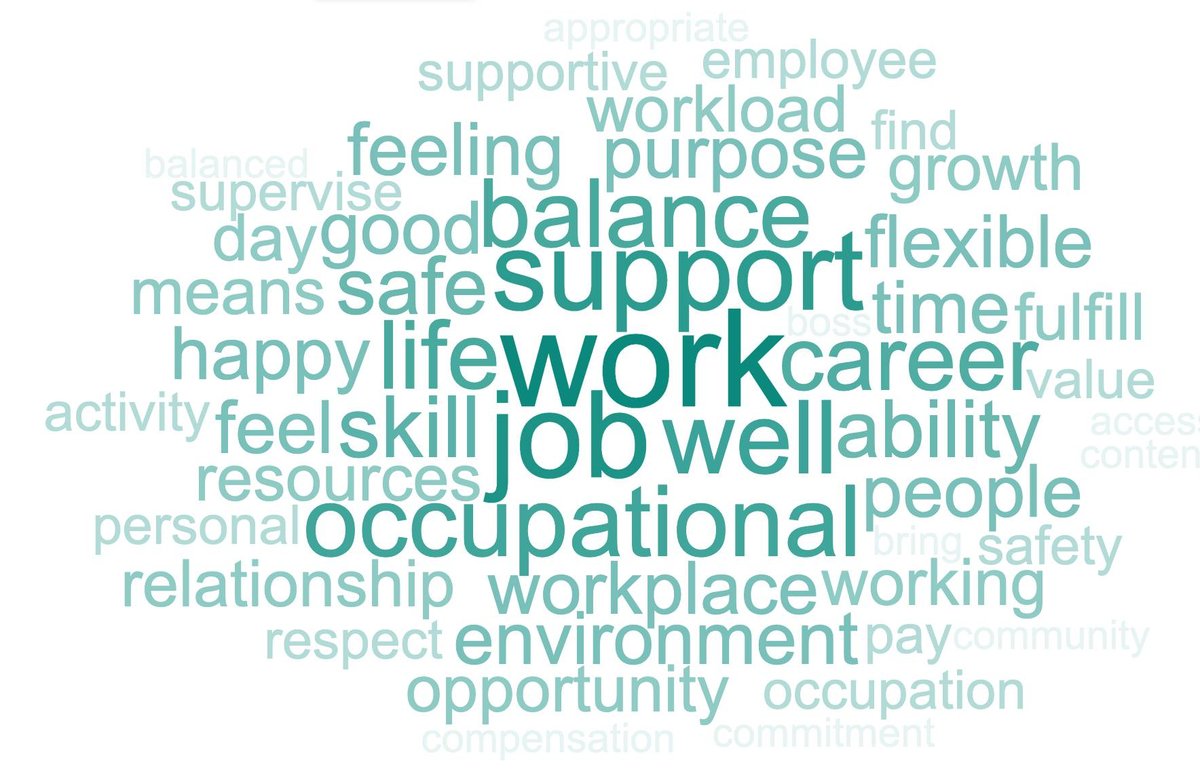
What It Is: Occupational wellness goes beyond job satisfaction. It’s the sense of purpose, fulfillment, and balance you get from your work, allowing your unique talents to shine.
Why It Matters Now: Gallup found that a staggering 60% of people feel emotionally detached from their work, with another 19% feeling outright miserable. This detachment hurts both individuals and the companies they work for.
Core Components: True occupational health rests on four pillars: work-life balance, genuine job satisfaction, opportunities for professional growth, and robust mental and emotional support.
Actionable Examples: Tangible practices include flexible work schedules, meaningful employee recognition programs, clear career development paths, and accessible mental health resources.
The Bottom Line: Investing in occupational wellness isn’t a “nice-to-have.” It leads to higher productivity, stronger employee loyalty, and a healthier, more energized workforce.
What Does Occupational Wellness Actually Mean?
Let’s clear something up: occupational wellness isn’t just “liking your job.” It’s a deeper concept centered on the satisfaction and enrichment you gain through your work. It’s the feeling that your career contributes positively to your overall well-being, rather than draining it.
Think of it as the intersection where your personal values, skills, and interests meet your professional responsibilities. When these elements align, work becomes a source of meaning and personal accomplishment.
The core of occupational wellness includes:
Work-Life Balance: The ability to successfully manage both your professional duties and your personal life without sacrificing one for the other.
Job Satisfaction: A genuine sense of contentment and fulfillment derived from your daily tasks and the results you produce.
Professional Growth: The feeling that you are learning, developing new skills, and have opportunities for advancement.
Mental and Emotional Support: Access to resources and a culture that supports your psychological well-being, especially during times of stress.
When these are missing, the consequences are stark. The disconnect between leadership perception and employee reality is often vast. One study revealed that while 92% of executives believe their employees are happy, only 30% of employees actually feel that way. This gap is where burnout, disengagement, and turnover take root.
The Signs of a Healthy (and Unhealthy) Work Environment
How can you tell if a workplace truly supports occupational wellness? It’s less about ping-pong tables and free snacks and more about the underlying culture and systems.
A Thriving Work Environment Looks Like…
A Struggling Work Environment Feels Like…
Engagement & Motivation: People are genuinely interested in their work and motivated to contribute.
Apathy & Cynicism: There’s a pervasive sense of “just getting through the day.”
Sustainable Balance: Employees can disconnect after hours and take time off without guilt or penalty.
Constant Urgency & Burnout: Long hours are the norm, and pressure is relentless.
Open Communication: Feedback flows in both directions, and collaboration is based on trust and respect.
Toxic Communication: Gossip, micromanagement, and a lack of transparency are common.
Recognition & Value: Contributions are regularly acknowledged, and people feel seen and appreciated.
Feeling Invisible: Good work goes unnoticed, and employees feel like replaceable parts.
Personal & Professional Growth: There are clear paths for development and opportunities to learn.
Career Stagnation: Employees feel stuck in their roles with no clear future.
Real-World Occupational Wellness Examples You Can See and Feel
Abstract ideas are nice, but what does occupational wellness look like on a Monday morning? It shows up in the policies, programs, and cultural norms that define your workday. Here are some of the most impactful examples.
Reclaiming Your Time with Flexible Work Arrangements
One of the most significant shifts in the modern workplace is the move away from rigid 9-to-5, in-office schedules. Flexibility isn’t a perk; it’s a powerful tool for wellness.
Remote or Hybrid Work: Giving employees the option to work from home, a co-working space, or the office provides autonomy and helps them integrate personal responsibilities, like a child’s school pickup or a doctor’s appointment.
Flextime: Instead of a fixed start and end time, employees can structure their day around core hours (e.g., 10 a.m. to 3 p.m.), allowing them to work when they’re most productive.
Compressed Workweeks: Working the standard 40 hours in four days (4×10) instead of five gives employees a three-day weekend to rest, run errands, and recharge, significantly reducing stress.
These policies demonstrate trust and empower employees to manage their own energy and time, leading to higher productivity and morale.
The Power of Feeling Valued: Recognition and Appreciation
Everyone wants to know that their work matters. A culture of recognition is one of the most cost-effective ways to boost occupational wellness. According to research, 81% of employees feel more motivated to do their best work when their boss shows appreciation.
This goes beyond an annual “Employee of the Month” plaque. Meaningful recognition includes:
Specific, Timely Praise: A manager saying, “Sarah, the way you handled that client’s objection in the meeting was brilliant. You really saved the deal,” is far more impactful than a generic “good job.”
Peer-to-Peer Shout-Outs: Creating a Slack channel or a segment in team meetings for colleagues to thank and acknowledge each other builds camaraderie and a positive atmosphere.
Celebrating Milestones: Acknowledging work anniversaries, project completions, and personal achievements makes employees feel like valued members of the community, not just workers.
Investing in Your Future: Career Development Opportunities
Feeling stuck is a primary driver of occupational burnout and turnover. When a company invests in an employee’s future, it sends a powerful message: “We see a future for you here.” This is especially crucial for younger generations; 76% of Gen Z employees see learning and development opportunities as a key to advancement.
Effective development programs include:
Skills Training and Workshops: Offering access to courses on new software, leadership skills, or public speaking.
Mentorship Programs: Pairing junior employees with senior leaders provides guidance, support, and a clear vision of potential career paths.
Tuition Reimbursement: Helping employees pursue further education or certifications shows a deep commitment to their long-term growth.
Prioritizing People: Robust Mental and Emotional Support
The pressure of modern work is immense, and ignoring mental health is no longer an option. Forward-thinking companies are proactive, providing resources to help employees manage stress before it escalates into burnout. These are forms of Practical workplace wellness that show a company cares about its people as humans, not just workers.
Examples of strong support systems include:
Employee Assistance Programs (EAPs): Confidential counseling services for work-related or personal issues.
Mental Health Days: Offering paid time off specifically for mental and emotional recharging, no questions asked.
Stress Management Workshops: Training on topics like mindfulness, resilience, and setting healthy boundaries.
Building a Foundation of Respect: A Positive Work Culture
All the programs in the world can’t fix a toxic culture. A positive environment—built on psychological safety, open communication, and mutual respect—is the bedrock of occupational wellness. It’s the invisible force that makes people want to come to work.
A positive culture is one where:
Mistakes are treated as learning opportunities, not reasons for blame.
Ideas can be shared and debated respectfully, regardless of title.
Diversity, equity, and inclusion are not just buzzwords but are actively practiced.
Why Companies Are Finally Investing in Occupational Health
For years, employee wellness was seen as a “soft” HR initiative. Today, smart leaders understand it’s a strategic business imperative. The data is clear: when employees thrive, the company thrives.
The Tangible Benefits for Businesses
Prioritizing occupational wellness isn’t just an act of goodwill; it’s a driver of performance.
Improved Productivity: Engaged employees—a direct result of high occupational wellness—are 21% more productive and profitable than their disengaged peers.
Lower Employee Turnover: Companies with effective wellness programs see a 25% reduction in employee turnover. This saves enormous costs associated with recruiting, hiring, and training.
Enhanced Talent Attraction: In a competitive job market, a reputation for supporting employee well-being is a powerful recruitment tool.
The Human Impact: A Win for Employees
The most important benefit is the human one. When your work is a source of fulfillment, it has a ripple effect across your entire life. Employees with high occupational wellness report better physical and mental health, stronger relationships, and a greater sense of purpose.
Meaningful work is a powerful retention tool. Employees who feel their job has meaning are more committed, perform at a higher level, and are half as likely to be looking for a new job.
The Biggest Threats to Your Occupational Wellness
Despite the clear benefits, several major roadblocks can derail occupational health. Recognizing them is the first step toward overcoming them.
The Burnout Epidemic
The World Health Organization officially recognizes burnout as an “occupational phenomenon.” It’s a state of physical, emotional, and mental exhaustion caused by prolonged or excessive stress. It’s particularly acute among younger workers, affecting an estimated 59% of Millennials and 58% of Gen-Z.
Common signs of burnout include:
Increased irritability or cynicism about your job.
A noticeable decline in the quality of your work.
Chronic exhaustion that sleep doesn’t fix.
Feeling detached from your work and colleagues (apathy).
Other Common Roadblocks
Beyond burnout, watch out for these wellness killers:
Lack of Growth: A dead-end job with no clear path forward is profoundly demotivating.
Toxic Work Culture: Environments defined by micromanagement, gossip, bullying, or a lack of trust are unsustainable.
Unfair Compensation: Feeling underpaid or that compensation is inequitable creates resentment and kills motivation.
Unmanageable Workload: Being consistently overwhelmed with tasks leads directly to stress and exhaustion.
A Practical Guide for Leaders and Companies
Creating a culture of occupational wellness requires intentional effort from leadership. Here are concrete steps organizations can take:
Launch a Comprehensive Wellness Program: This should go beyond gym memberships to include mental health counseling, financial planning workshops, and stress management resources.
Foster Open and Honest Communication: Implement regular one-on-ones, anonymous feedback surveys, and town hall meetings where leaders listen more than they talk.
Align Roles with Strengths: Work to place employees in roles that leverage their natural talents and interests. A person thriving in their work is an engaged person.
Provide Clear Growth Paths: Create transparent career ladders and offer mentorship to guide employees toward their professional goals.
Ensure Fair Pay and Manageable Workloads: Regularly benchmark salaries to ensure they are competitive and equitable. Use workload management tools and check in with teams to prevent overload.
Build a Culture of Recognition: Make appreciation a daily habit, not an annual event. Empower managers and peers to celebrate wins, big and small.
Invest in Diversity, Equity, and Inclusion (DEI): A workplace where everyone feels they belong and are treated fairly is fundamental to psychological safety and wellness.
What if You’re Your Own Boss? Wellness for Freelancers and Entrepreneurs
The challenges are different for the self-employed, but the need for occupational wellness is just as critical. The blurring of lines between work and life, financial instability, and isolation are major hurdles.
Strategies for freelancers and entrepreneurs include:
Set Structured Hours: Define your “workday” and stick to it. When the day is over, shut down your computer and disengage.
Create a Dedicated Workspace: Having a physical boundary between your work area and your living space helps create a mental boundary.
Plan Your Finances: Financial stress is a huge wellness killer. Work with an accountant to manage cash flow, save for taxes, and build a safety net.
Build a Support Network: Intentionally connect with other freelancers or entrepreneurs. These peer relationships provide a crucial sounding board for challenges and celebrations.
The Double-Edged Sword of Technology
Technology can be a great enabler of occupational wellness or a significant detractor. Tools like Slack and Zoom facilitate flexible work, while apps like Calm and Headspace can reduce stress.
However, the dark side is real. Constant notifications create a state of perpetual distraction and an “always on” culture. Excessive screen time leads to digital eye strain and mental fatigue. The key is to use technology mindfully. Set boundaries, turn off non-essential notifications, and schedule time away from your screens.
Your Next Step Toward a Healthier Work Life
Occupational wellness is not a luxury or a corporate buzzword. It is a fundamental component of a healthy, fulfilling life. It’s the difference between a career that drains you and one that energizes you.
For individuals, the first step is self-assessment. Which of the four pillars—work-life balance, job satisfaction, professional growth, or mental support—is weakest for you right now? Identifying the area that needs the most attention gives you a clear starting point for conversations with your manager or for planning your next career move.
For leaders, the task is to move from intention to action. Don’t try to boil the ocean. Pick one meaningful initiative—like improving your recognition practices or clarifying career paths—and execute it well. The positive effects will ripple through your entire organization, creating a more resilient, motivated, and vibrant workplace for everyone.
I am a writer specializing in health and lifestyle, committed to delivering well-researched, engaging, and insightful content. With a keen eye for trends and a deep understanding of health, presenting and exploring topics ranging from nutrition and mental health to sustainable living. This writing is solely intended to educate, inspire, and empower readers to live a healthier, more balanced life.