Stress is a universal human experience. It’s that jolt of energy that helps you meet a deadline or the heightened awareness that keeps you alert in traffic. In small, manageable doses, stress can be a powerful motivator that builds resilience. But when the pressures become constant and overwhelming, it transforms from a helpful nudge into a chronic burden that can damage both your physical and mental health.
The key isn’t to eliminate stress entirely—that’s impossible. The goal is to change your relationship with it. By understanding how stress affects you and equipping yourself with the right tools, you can learn to navigate daily pressures with greater confidence and calm. This guide provides a comprehensive overview of essential stress management techniques, helping you build a personalized toolkit for a more balanced life.
Before you can manage stress, you need to recognize its signals. Chronic stress isn’t just a feeling; it’s a physical and psychological response that can silently erode your well-being. Many people are so used to being stressed that they don’t even notice the toll it’s taking.
The Physical Toll of Constant Pressure
Your body keeps the score. When you’re under constant strain, it can manifest in ways you might not immediately connect to stress. Common physical indicators include:
Tense muscles and chronic pain, especially in the neck, shoulders, and back.
Digestive problems like stomachaches, heartburn, or changes in bowel habits.
Headaches and migraines that become more frequent or intense.
Elevated blood pressure and a racing heart.
Disrupted sleep patterns, from difficulty falling asleep to waking up frequently.
A weakened immune system, leading to more frequent colds and infections.
Over time, these symptoms can contribute to serious long-term health issues, including heart disease, anxiety disorders, and depression.
The Psychological Traps Stress Sets for You
Stress doesn’t just exhaust your body; it hijacks your thinking. It can push you into negative “thinking traps” that distort your perception of reality and make situations feel much worse than they are.
You might find yourself catastrophizing, where you immediately jump to the worst-possible conclusion. Or perhaps you experience tunnel vision, focusing only on the negative aspects of a situation while ignoring the positives. These cognitive distortions fuel the cycle of stress, making it harder to find a way out.
A Practical Framework for Taking Control: The 4 A’s
Effective stress management often comes down to one of two choices: changing the situation or changing your reaction to it. The “4 A’s” framework provides a simple yet powerful way to approach any stressful scenario.
Avoid: The first step is to eliminate unnecessary stressors. This isn’t about avoiding all challenges, but rather learning to recognize and sidestep the pressures you can control. This could mean learning to say “no” to extra commitments or distancing yourself from people who consistently drain your energy.
Alter: If you can’t avoid a situation, try to change it. This involves communicating your needs clearly and respectfully. You might ask your partner to help more with chores or talk to your boss about adjusting an unrealistic deadline.
Adapt: Sometimes, you can’t change the stressor. In these cases, you can adapt by changing your expectations and attitude. Try to reframe the problem, look for the silver lining, or focus on practicing gratitude for the good things in your life. This mindset shift can reclaim your sense of control.
Accept: Finally, some things are simply outside of our control. Acceptance doesn’t mean you like the situation; it means you’re letting go of the struggle against reality. Therapeutic approaches like Acceptance and Commitment Therapy (ACT) are built on this principle, encouraging you to accept what you can’t change and commit to actions that enrich your life.
In-the-Moment Techniques to Calm Your Nervous System
When you feel stress spiking, you need techniques that work right now. These practices are designed to interrupt the stress response and bring you back to a state of calm.
Harness the Power of Your Breath
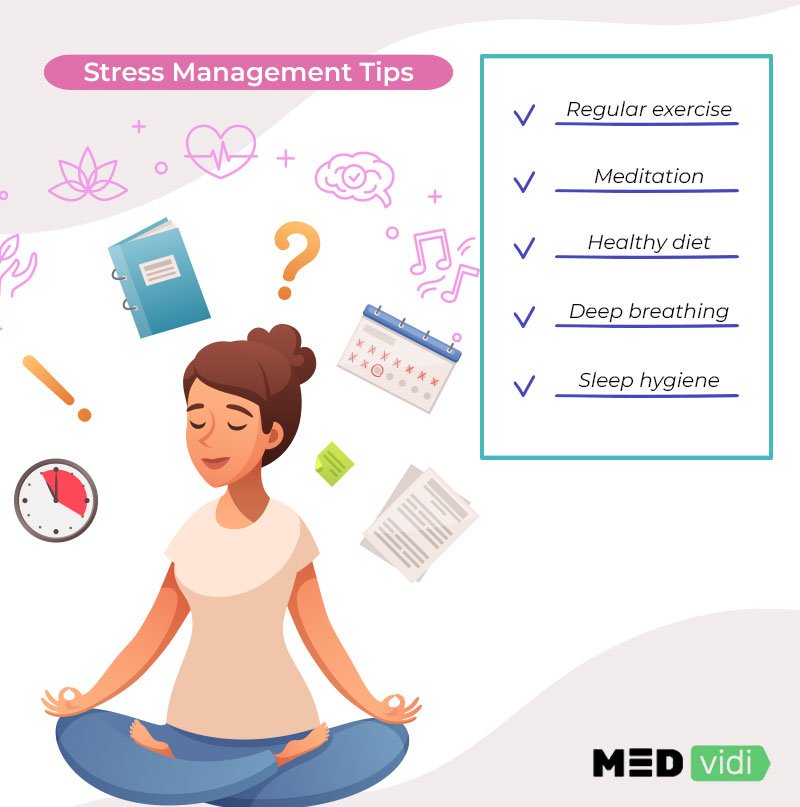
The simplest and most powerful tool you have is your own breath. Deep, diaphragmatic breathing (or “belly breathing”) activates your body’s parasympathetic nervous system, which acts as a natural brake on the stress response.
Simply inhale slowly through your nose for four counts, feeling your belly expand. Hold the breath for a moment, then exhale slowly through your mouth for six counts. Repeating this just a few times can lower your heart rate and blood pressure almost instantly.
Ground Yourself in the Present Moment
When your mind is racing with “what-ifs,” grounding techniques pull your focus back to the here and now. The 5-4-3-2-1 method is a fantastic way to do this:
5: Name five things you can see.
4: Identify four things you can feel (like your feet on the floor or the texture of your shirt).
3: Acknowledge three things you can hear.
2: Notice two things you can smell.
1: Name one thing you can taste.
This sensory exercise makes it difficult for your brain to entertain anxious thoughts, providing immediate relief. Even with a packed agenda, there are simple ways to integrate these grounding practices. We’ve gathered some of the most effective methods to provide Quick stress relief for busy schedules.
Building Long-Term Resilience Through Lifestyle Habits
While in-the-moment techniques are crucial for handling acute stress, a healthy lifestyle is the foundation for long-term resilience. Your daily habits have a profound impact on your ability to cope with pressure.
Move Your Body to Clear Your Mind
Physical activity is one of the most effective stress busters available. Rhythmic exercises like running, swimming, walking, or dancing are particularly potent, as they trigger the release of endorphins—your brain’s feel-good neurotransmitters. Regular exercise not only improves your mood but also helps you sleep better and boosts your overall health.
Fuel Your Body to Fight Stress
What you eat directly affects your mood and energy levels. A balanced diet rich in complex carbohydrates, lean proteins, and healthy fats can help stabilize your mood. Certain nutrients are especially important for your body’s stress response, including Omega-3 fatty acids, Vitamin C, magnesium, and B vitamins. Conversely, try to limit your intake of processed sugar, caffeine, and alcohol, as they can amplify anxiety and disrupt your sleep.
Prioritize Restorative Sleep
Sleep is when your body and brain repair and recharge. For adults, the sweet spot is typically 7-9 hours per night. When you’re sleep-deprived, your emotional regulation suffers, making you more irritable and irrational. Consistently getting enough quality sleep is non-negotiable for effective stress management.
Knowing When to Seek Professional Support
There’s no shame in asking for help. If you find that stress is chronic, overwhelming, and interfering with your ability to function for several weeks, it may be time to speak with a mental health professional.
A therapist can help you identify the root causes of your stress and develop personalized coping strategies. Therapies like Cognitive Behavioral Therapy (CBT) are highly effective at helping people recognize and change the negative thought patterns that contribute to stress and anxiety.
Your New Path Forward with Stress
Managing stress is an ongoing practice, not a one-time fix. It’s about building a diverse toolkit of strategies and learning which ones work best for you. By understanding your triggers, adopting in-the-moment calming techniques, and investing in a resilient lifestyle, you can fundamentally change your relationship with stress—transforming it from an overwhelming force into a manageable part of life.
I am a writer specializing in health and lifestyle, committed to delivering well-researched, engaging, and insightful content. With a keen eye for trends and a deep understanding of health, presenting and exploring topics ranging from nutrition and mental health to sustainable living. This writing is solely intended to educate, inspire, and empower readers to live a healthier, more balanced life.