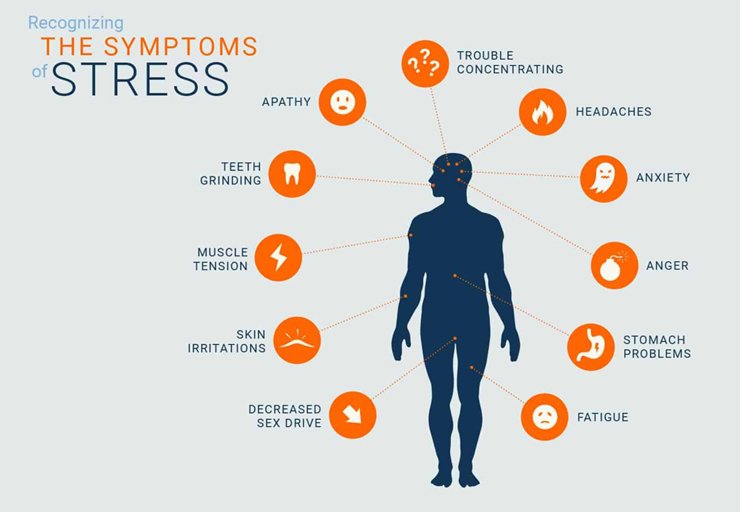
That feeling of being “always on” is the new normal. Your calendar is a fortress of back-to-back meetings, your inbox is a relentless flood, and the pressure to perform never lets up. For those navigating this reality, mastering a few core stress management techniques for busy professionals isn’t a soft skill—it’s an essential tool for survival and success. The constant low-grade hum of anxiety isn’t just a distraction; it’s a silent drain on your focus, creativity, and long-term health.
The good news is that you don’t need a week-long retreat to regain control. The most effective strategies are the ones you can weave into the fabric of your busiest days, turning moments of chaos into opportunities for calm.
At a Glance: Your Path to Composure
Identify Your Stress Signature: Learn to spot your unique triggers and physical responses, shifting from reactive panic to proactive management.
Master Micro-Interventions: Discover 1- to 5-minute techniques that can reset your nervous system in the middle of a chaotic workday.
Build a Stress-Resistant Schedule: Implement simple time management frameworks that create breathing room, not just a more packed to-do list.
Fuel Your Resilience: Understand how sleep, nutrition, and movement are non-negotiable foundations for mental clarity.
Know the Difference: Distinguish between productive pressure and the early signs of burnout, and learn how to steer clear of the latter.
The Myth of “Managing” Stress—It’s About Building Capacity
Let’s get one thing straight: the goal isn’t to eliminate stress. A healthy dose of pressure can sharpen focus and drive motivation. The problem is chronic stress, the kind that leaks into every corner of your life. With around 83% of U.S. workers suffering from work-related stress and 77% experiencing physical symptoms because of it, this isn’t just in your head—it’s a physiological reality.
Effective stress management is less about “coping” and more about systematically building your capacity to handle pressure. Think of it as raising your personal stress threshold. Each technique is a tool to strengthen your mental and physical resilience, allowing you to handle more without feeling overwhelmed. While a broad approach is key to finding what works for you, and you can Master stress relief by exploring a wide array of strategies, this guide focuses on targeted techniques you can implement today.
The Micro-Intervention Toolkit: Reclaim Your Calm in 5 Minutes or Less
When you’re overwhelmed, the last thing you need is another complex task. These techniques are designed for immediate use—at your desk, between calls, or even during a tense meeting.
The 4-7-8 Breathing Method: Your Nervous System’s “Off” Switch
This isn’t just about taking a deep breath; it’s a scientifically backed method to activate your parasympathetic nervous system, which tells your body it’s safe to relax.
Exhale completely through your mouth, making a whoosh sound.
Close your mouth and inhale quietly through your nose for a mental count of four.
Hold your breath for a count of seven.
Exhale completely through your mouth, making a whoosh sound for a count of eight.
This is one breath. Inhale again and repeat the cycle three more times for a total of four breaths.
Mini-Example: Before a high-stakes presentation, a marketing director ducks into a quiet office. She does three rounds of 4-7-8 breathing. She walks into the boardroom feeling centered and in control, not jittery and reactive.
Progressive Muscle Relaxation (PMR): Releasing Hidden Tension from Your Desk
You might not realize how much tension you’re holding in your shoulders, jaw, or hands until you consciously release it. PMR creates a “biofeedback loop” that trains you to recognize and let go of physical stress.
Step 1: While seated, curl your toes tightly for 5-10 seconds, focusing on the tension. Then, release them completely and notice the feeling of relaxation for 15-20 seconds.
Step 2: Tense your calf muscles, hold, and then release.
Step 3: Move up to your thighs, then clench your fists, tense your biceps, shrug your shoulders up to your ears, and finally, scrunch your facial muscles. Hold each for 5-10 seconds before releasing.
Even doing just your hands and shoulders can provide an immediate sense of relief during a stressful email chain.
The “Mindful Minute”: A Reality Check for Your Racing Mind
Meditation can feel daunting. A “mindful minute” is the accessible entry point. The goal isn’t to clear your mind but to anchor it to the present moment.
How to do it: Stop what you’re doing. Close your eyes if you’re comfortable. For 60 seconds, focus all your attention on a single sensory input. It could be the feeling of your feet flat on the floor, the hum of the office air conditioner, or the weight of your hands on your desk. When your mind wanders (and it will), gently guide it back to that sensation.
This simple act breaks the cycle of anxious future-thinking and brings you back to the reality of the present.
Restructure Your Day to Prevent Stress Buildup
Micro-interventions are for acute stress. Restructuring your day is for preventing it from becoming chronic. It’s about creating systems that protect your time and energy.
Beyond To-Do Lists: The Eisenhower Matrix in Practice
Busy professionals often confuse what’s urgent with what’s important. The Eisenhower Matrix forces you to differentiate, helping you focus your energy where it truly matters. It’s a simple grid that divides tasks into four quadrants.
Urgent
Not Urgent
Important
Q1: Do First Crises, deadlines, pressing problems.
Q2: Schedule Strategic planning, relationship building, new opportunities.
Not Important
Q3: Delegate Some meetings, certain emails, routine tasks.
Q4: Eliminate Time-wasters, trivial distractions, some social media.
Your primary goal is to spend most of your time in Quadrant 2. This is where strategic, high-impact work happens. By scheduling Q2 tasks, you proactively solve problems before they become Q1 fires. Effective use of this matrix can reduce the time spent on low-impact tasks by up to 30%.
The Power of Strategic Breaks with the Pomodoro Technique
Working nonstop for hours isn’t a sign of productivity; it’s a recipe for burnout. The Pomodoro Technique is a simple but powerful way to manage your energy and focus.
Choose a task.
Set a timer for 25 minutes and work on that task exclusively.
When the timer rings, take a 5-minute break. Stand up, stretch, get water—do anything but work or check your phone.
After four “Pomodoros,” take a longer break of 15-30 minutes.
Common Pitfall: Many professionals skip the short breaks, thinking they can just push through. This defeats the purpose. The break is when your brain consolidates information and recharges, making the next 25-minute sprint far more effective.
Fueling Your Resilience: The Non-Negotiable Lifestyle Foundations
No amount of breathing exercises can overcome a foundation of poor sleep and nutrition. These aren’t luxuries; they are fundamental stress management techniques for busy professionals.
Your Brain on Food: The Link Between Nutrition and Mood
The high-sugar snack and triple-shot espresso that get you through an afternoon slump are also fueling your stress cycle. They cause a spike in energy followed by a crash, leaving you feeling depleted and anxious.
Stabilize: Opt for complex carbohydrates (oats, whole grains), lean proteins, and healthy fats. These provide a steady stream of energy, preventing mood swings.
Hydrate: Dehydration can manifest as fatigue and brain fog, which can be easily mistaken for stress. Keep a water bottle on your desk.
Sleep: The Ultimate Performance and Stress Recovery Tool
Chronic sleep deprivation impairs judgment, shortens your temper, and makes you more susceptible to stress. Most professionals need 7-9 hours of quality sleep per night.
Improve Sleep Hygiene: Create a consistent sleep schedule (even on weekends), make your bedroom cool, dark, and quiet, and avoid screens for at least an hour before bed. The blue light suppresses melatonin, the hormone that signals your body it’s time to sleep.
Movement as Medicine: Why Your Desk Chair is a Stress Trap
Physical activity is one of the most effective stress relievers available. It burns off excess cortisol (the primary stress hormone) and releases endorphins, which act as natural mood elevators.
Make it Accessible: You don’t need a 90-minute gym session. A brisk 20-minute walk at lunch, taking the stairs instead of the elevator, or doing five minutes of stretching every hour can make a significant difference.
Practical Playbook: Your First Week of Proactive Stress Management
Reading about techniques is one thing; implementing them is another. Here’s a simple plan to get started.
Day 1-2: Audit & Identify. Don’t change anything yet. Simply notice. Keep a small notebook or a note on your phone. When you feel a surge of stress, jot down the time, the trigger, and how it felt in your body (e.g., “10:15 AM, surprise email from client, tight chest”).
Day 3-4: Implement One Micro-Intervention. Based on your audit, choose one technique. If you feel panicked, try 4-7-8 breathing. If you feel tense, try PMR. Practice it at least three times a day, even when you’re not feeling stressed, to build the habit.
Day 5: Structure One Work Block. Pick a 90-minute or 2-hour window for a focused task. Use the Pomodoro Technique and honor the breaks. See how you feel afterward.
Day 6-7: Focus on One Lifestyle Foundation. Don’t try to overhaul everything. Either prioritize getting 7+ hours of sleep or commit to a 20-minute walk at lunchtime. Master one before adding another.
Quick Answers to Common Questions
What is the most effective stress management technique for immediate relief?
For immediate, in-the-moment relief, controlled breathing exercises like the 4-7-8 method are incredibly effective. They directly engage the body’s relaxation response (the parasympathetic nervous system) to quickly lower your heart rate, reduce blood pressure, and calm feelings of panic.
How can I manage stress if I don’t have time for meditation or exercise?
Focus on “stress snacks” or micro-habits instead of all-or-nothing thinking. A 60-second mindful moment focusing on your breath, a 5-minute walk around the office floor, or simply standing up to stretch between meetings can interrupt the physiological stress cycle. Consistency is far more important than duration.
Is it possible to completely eliminate workplace stress?
No, and that shouldn’t be the goal. A certain level of stress, known as “eustress,” is positive and can enhance performance and motivation. The goal of stress management techniques for busy professionals is to keep stress within a productive, manageable range and prevent it from becoming chronic, harmful “distress.”
When should I seek professional help for stress?
If stress is persistently interfering with your work, damaging your relationships, or impacting your physical health, it’s a clear sign to seek support. If you experience chronic anxiety, prolonged low mood, significant sleep disruption, or feelings of hopelessness, consulting a therapist or counselor is a crucial step toward recovery.
Your ability to perform at a high level over the long term depends directly on your ability to manage your inner state. These techniques aren’t about adding more to your plate; they’re about creating the space and resilience to handle what’s already there with greater ease and focus.
Pick one technique from this guide—just one. The next time you feel that familiar wave of pressure rising, instead of just bracing for impact, try it. Building resilience starts not with a massive overhaul, but with a single, conscious breath.
I am a writer specializing in health and lifestyle, committed to delivering well-researched, engaging, and insightful content. With a keen eye for trends and a deep understanding of health, presenting and exploring topics ranging from nutrition and mental health to sustainable living. This writing is solely intended to educate, inspire, and empower readers to live a healthier, more balanced life.