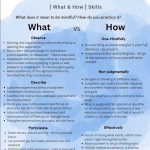
Do you ever feel like you’re on autopilot? You drive to work, type emails, eat lunch, and scroll through your phone, but at the end of the day, you can barely recall the details. This is your “fast brain” at work—the automatic, habitual part that handles about 95% of your behavior. While efficient, it can leave you feeling disconnected and overwhelmed.
Mindfulness is the simple, powerful practice of switching to your “slow brain.” It’s about paying attention to the present moment on purpose, without judgment. It’s not about adding another complicated task to your to-do list; it’s about changing how you experience the moments you already have. By weaving small, intentional practices into your day, you can reduce stress, improve focus, and feel more connected to your own life.
How you begin your morning often sets the tone for the entire day. Instead of immediately reaching for your phone, try taking a few minutes to simply check in with yourself. Before you even get out of bed, notice how you feel. Are you rested or groggy? Is there tension in your shoulders? What emotions are present?
Once you’ve taken this gentle inventory, you can set an intention for the day. Sit comfortably, take three deep, slow breaths, and ask yourself, “What quality do I want to cultivate today?” Your intention could be as simple as, “Today, I will be patient with myself,” or “I will look for moments of joy.” This small act anchors your day in purpose rather than reaction.
Turn Everyday Routines into Mindful Moments
You don’t need to sit on a meditation cushion for an hour to practice mindfulness. Your daily life is filled with opportunities to ground yourself in the present. The key is to engage your senses and notice the rich detail in ordinary activities.
Reconnect Through Your Senses
Our minds are constantly buzzing with plans, worries, and endless to-do lists. This mental clutter makes it hard to be present. The next time you feel scattered, ask yourself: Is your mind full or mindful? You can quiet the noise by intentionally tuning into your five senses.
Mindful Eating: Before your next meal, take a few deep breaths. Notice the colors and smells of your food. For the first three bites, eat slowly, paying full attention to the flavors and textures.
Mindful Chores: While washing dishes, feel the warmth of the water and the slickness of the soap bubbles. When walking, feel the solid ground beneath your feet with each step.
The 5-4-3-2-1 Method: When you feel overwhelmed, pause and name:
5 things you can see.
4 things you can feel.
3 things you can hear.
2 things you can smell.
1 thing you can taste.
Find Calm in the “In-Between” Moments
Waiting in line, sitting in traffic, or holding for a customer service agent can be frustrating. We often use these moments to mindlessly scroll, which only increases our agitation. Instead, view this “wasted time” as a gift—a built-in opportunity to practice.
Instead of pulling out your phone, take a deep breath. Notice your surroundings without judgment. If you’re stuck in traffic, acknowledge your desire for calm. Then, extend that same wish to the other drivers around you, recognizing that they want the same thing. This small shift transforms a moment of frustration into one of compassion and connection. Even digital habits can be a training ground; you can learn to be mindful when clicking nyt just as you can with any other repetitive task.
Move Your Body with Awareness
Exercise is often about pushing through and hitting goals, but it can also be a profound mindfulness practice. By syncing your breath with your movement, you anchor your attention in your body’s physical sensations.
Next time you exercise, try this structure:
Set an Intention (2-5 mins): Before you start, visualize your session. Maybe your goal is to “notice how my muscles feel” or “feel the wind on my skin.”
Warm-Up (5 mins): As you move, sync your breath to the rhythm of your stretches.
Find a Rhythm (10-15 mins): Settle into a steady pace where your breath and movement are harmonized.
Introduce a Challenge (10-15 mins): As you increase the intensity, notice how your body responds. Where do you feel the effort?
Cool Down & Rest (5-10 mins): Gradually slow down and come to a stop. Sit or lie down and simply feel the sensations in your body—the tingling, the warmth, the beating of your heart.
Anchor Yourself When Your Mind Wanders
The goal of mindfulness isn’t to stop your thoughts—that’s impossible. It’s to notice when your mind has drifted and gently guide it back to an anchor, like your breath or your body.
The Simple Power of a Mindful Breath
Your breath is your most reliable anchor because it’s always with you. The practice is simple: focus your attention on the physical sensation of breathing. Feel the air moving in through your nose and out through your mouth. Notice your chest or belly rising and falling.
When your mind inevitably wanders to a thought, a worry, or a sound, just acknowledge it without criticism and gently return your focus to your breath. You can set a reminder on your phone to do this for just one minute, several times a day.
Build a Formal Meditation Practice
While mindfulness can be practiced anywhere, setting aside dedicated time for formal meditation can deepen your skill. This doesn’t require a huge commitment—even 5 to 10 minutes a day can make a difference. Apps like Calm and Headspace offer guided sessions that can help you get started. There are many styles to explore, from loving-kindness meditation, which focuses on compassion, to Zen meditation.
Making Mindfulness a Lasting Habit
Integrating mindfulness into your life is about creating new neural pathways, which takes consistency. You can make it easier by designing your environment and routines to support your “slow brain.”
Create Triggers and Rituals: Link your mindfulness practice to an existing habit. For example, “Every time I touch my office doorknob, I will take one deep breath.”
Design Your Environment: Make the mindful choice the easy choice. If you want to practice mindful stretching in the morning, lay your yoga mat in the middle of your floor the night before.
Find Support: Share your intention with a friend who can help keep you accountable. Keep a journal to track your progress and insights. Finding a community can provide encouragement and a sense of shared purpose.
Your Next Mindful Moment Starts Now
Mindfulness isn’t a destination you arrive at; it’s a continuous practice of returning to the present. It’s about trading a life on autopilot for one that is lived with awareness, intention, and compassion. You don’t have to wait for the “right time” to begin.
You can start right now, right where you are. As you finish reading this sentence, simply take one slow, conscious breath. Feel the air enter your body, and then feel it leave. That’s it. You’re already doing it.
I am a writer specializing in health and lifestyle, committed to delivering well-researched, engaging, and insightful content. With a keen eye for trends and a deep understanding of health, presenting and exploring topics ranging from nutrition and mental health to sustainable living. This writing is solely intended to educate, inspire, and empower readers to live a healthier, more balanced life.