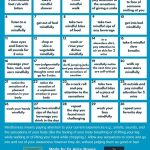
In a world that constantly demands our attention, finding a moment of quiet can feel impossible. Using mindfulness worksheets provides a tangible, structured way to cut through the noise and reconnect with the present moment. They transform the abstract idea of “being mindful” into a simple, guided practice you can hold in your hands, offering a clear path to regulate emotions and reduce stress for both you and your children.
At a Glance: Your Guide to Mindful Practice
- What are mindfulness worksheets? They are structured tools—prompts, checklists, and exercises—that guide you through specific mindfulness techniques, making the practice accessible and easy to follow.
- How do they help adults? They provide concrete methods like Box Breathing and the R.A.I.N. framework to manage stress, process difficult emotions, and break free from anxious thought loops.
- How do they benefit kids? They use fun, age-appropriate activities like “Feelings Colouring” and “The Weather in There” to build emotional literacy and self-regulation skills in a creative way.
- What’s the core principle? Mindfulness, as defined by founder Jon Kabat-Zinn, is about paying attention “on purpose, in the present moment, and non-judgmentally.” Worksheets are simply the training wheels for this skill.
- The main takeaway: These tools are not about emptying your mind but about learning to observe your thoughts and feelings without getting swept away by them.
Why a Worksheet? Turning an Ancient Practice into a Modern Tool
Mindfulness has roots in Buddhist and Hindu traditions, but its modern application in therapy and wellness is backed by significant research. It’s a practice of cultivating non-judgmental awareness of your thoughts, feelings, bodily sensations, and environment. The goal isn’t to stop thinking; it’s to change your relationship with your thoughts.
But for many, the instruction to “just be present” can feel vague and frustrating. This is where a worksheet becomes invaluable. It provides a scaffold—a starting point and a clear set of steps—to guide your focus. Instead of wondering if you’re “doing it right,” you can follow a simple prompt, turning a potentially intimidating practice into an achievable one.
Mindfulness Worksheets for Adults: From Overwhelm to Awareness
For adults juggling work, family, and personal pressures, the mind can often feel like a runaway train. Mindfulness worksheets offer practical techniques to apply the brakes and regain control. They are designed to address common challenges like stress, anxiety, and emotional reactivity.
To see these methods in action, you can Download free mindfulness worksheets that walk you through each step.
Grounding Yourself When Your Mind is Spinning
Grounding techniques pull you out of anxious thoughts about the past or future and anchor you firmly in the present. They are incredibly effective for managing acute moments of panic or stress.
- The Five Senses (5-4-3-2-1) Exercise: This is a classic for a reason—it works anywhere, anytime. When you feel overwhelmed, pause and mentally identify:
- 5 things you can see (the grain of your desk, a crack in the ceiling, the color of a colleague’s shirt).
- 4 things you can feel (the texture of your pants, the warmth of your mug, the breeze from a vent).
- 3 things you can hear (the hum of the computer, distant traffic, your own breathing).
- 2 things you can smell (coffee, hand sanitizer, the scent of rain).
- 1 thing you can taste (the lingering taste of mint, water, or just the inside of your mouth).
- Body Scan Meditation: This practice involves systematically bringing attention to different parts of your body, from your toes to the top of your head. A worksheet can guide you through each region, prompting you to simply notice any sensations—warmth, tingling, tightness, or nothing at all—without judgment. The goal isn’t to change the sensation, but to acknowledge it, which often helps release unconscious tension.
Taming the Anxious Mind with Breathwork
Your breath is a powerful, built-in tool for regulating your nervous system. Worksheets can help you practice structured breathing exercises until they become second nature.
- Box Breathing: Used by everyone from Navy SEALs to therapists, this technique is powerfully calming. A worksheet can provide a visual cue to guide you:
- Inhale slowly for a count of 4.
- Hold your breath for a count of 4.
- Exhale slowly for a count of 4.
- Hold at the bottom of the breath for a count of 4.
Repeat for 1–2 minutes. This rhythmic pattern signals to your brain that you are safe, activating your parasympathetic (rest-and-digest) nervous system.
Processing Difficult Emotions with Structured Reflection
Mindfulness isn’t about ignoring difficult feelings; it’s about learning to sit with them without letting them take over.
- The R.A.I.N. Method: This four-step process is a compassionate way to navigate intense emotions. A worksheet can provide prompts for each step:
- Recognize: What am I feeling right now? (e.g., “I am feeling anger and frustration.”)
- Allow: Can I let this feeling be here, just for a moment? (Give yourself permission without judgment.)
- Investigate: Where do I feel this in my body? What thoughts are attached to it? (Approach with gentle curiosity, not analysis.)
- Nurture: What does this wounded part of me need? (Offer yourself a gesture of self-compassion, like placing a hand on your heart.)
- DBT and the Three States of Mind: Dialectical Behavior Therapy (DBT) identifies three mind-states: the Emotional Mind (driven by feelings), the Reasonable Mind (driven by logic), and the Wise Mind (the integration of both). A worksheet can help you identify which state you’re in and ask reflective questions to help you access your Wise Mind, where intuition and logic meet.
Engaging Young Minds: Mindfulness Worksheets for Kids
For children, mindfulness needs to be simple, playful, and engaging. Worksheets for kids use metaphors, coloring, and creative activities to teach foundational self-regulation skills. The focus is less on formal meditation and more on building awareness in a fun, accessible way.
Making Feelings Tangible and Less Scary
Kids often struggle to name big emotions. Worksheets can give them a visual and creative outlet to express what’s happening inside.
- Feelings Colouring / The Weather in There: A simple worksheet with an outline of a body can be a powerful tool. Ask the child, “If your anger had a color, what would it be? Where do you feel it in your body?” They can then color that area. Another version, “The Weather in There,” asks them to draw the weather that matches their mood—stormy for anger, sunny for happiness, foggy for confusion. This externalizes the emotion, making it less overwhelming.
Building Daily Reflection Habits
Simple, consistent routines help children develop a vocabulary for their inner world.
- Rose and Thorn: This is a wonderful activity for the dinner table or before bed. A worksheet can have space to draw or write:
- Rose: One wonderful or happy moment from the day.
- Thorn: One challenging or difficult moment from the day.
This teaches balanced reflection and acknowledges that every day has both ups and downs.
Fun Sensory and Awareness Games
These activities sharpen a child’s focus and connection to their body and environment.
- Like a Turtle: This exercise uses a powerful metaphor. The worksheet might say, “Pretend you are a turtle. When things feel too fast or loud, you can pull into your shell. What do you notice inside your shell? Your breath? Your heartbeat?” It teaches kids to find a safe, quiet space within themselves.
- Sounds and Silence: Ask a child to sit quietly for one minute and listen for as many different sounds as they can, listing or drawing them on a worksheet. This simple game trains focused listening and present-moment awareness.
A Practical Playbook: How to Get the Most Out of Your Worksheets
Having a tool is one thing; using it effectively is another. Here’s how to integrate mindfulness worksheets into your life successfully.
- Create a “Mindfulness Moment,” Not a “Mindfulness Chore.”
Don’t add another stressful item to your to-do list. Find a small, consistent pocket of time—five minutes with your morning coffee, a few deep breaths before a meeting, or a “Rose and Thorn” chat at dinner. Consistency beats intensity every time. - Let Go of Perfection.
A common misconception is that mindfulness means having a completely blank mind. That’s impossible. Your mind is supposed to wander. The practice is in noticing it has wandered and gently, without criticism, guiding it back to the exercise on your worksheet. The worksheet is your anchor. - Pair Worksheets with Daily Routines.
Connect a mindfulness practice to something you already do. Use a gratitude list worksheet while you wait for the kettle to boil. Do a quick 5-4-3-2-1 exercise while you’re stopped at a red light. Linking the new habit to an existing one makes it stick. - For Parents: Practice With Your Kids.
The most powerful way to teach mindfulness is to model it. When you use a “Weather in There” worksheet, do one for yourself, too. Talk about your “weather” calmly. This shows your child that all feelings are okay and that adults have to practice managing them, too.
Quick Answers to Common Questions
Q: Do mindfulness worksheets actually work?
A: Yes. They function as guided practice, which is essential for learning any new skill. By providing structure, they make the abstract concepts of mindfulness concrete and repeatable. Research shows that consistent practice leads to tangible benefits like reduced stress, improved emotional regulation, and increased focus.
Q: How often should I use a mindfulness worksheet?
A: Aim for consistency over duration. Using a worksheet for just five minutes every day is far more effective than one long, stressful session per week. Start small to build the habit, and expand as it feels natural.
Q: What’s the difference between mindfulness and meditation?
A: Think of it this way: mindfulness is the quality of awareness you are trying to cultivate, while meditation is the formal exercise you do to strengthen that awareness. A mindfulness worksheet is a tool that guides you through a specific meditative exercise to build your overall mindfulness.
Q: Can I do this without a worksheet?
A: Absolutely! The ultimate goal is for the worksheets to act as training wheels. They teach you the mechanics of techniques like Box Breathing or the R.A.I.N. method so that you can eventually call on them anytime, anywhere, without needing a piece of paper.
Your First Step Toward Calm
Mindfulness isn’t a destination; it’s a practice. Worksheets are simply a bridge to help you move from knowing about mindfulness to actually experiencing it. They offer a gentle, structured starting point for a skill that can profoundly change your relationship with yourself and the world around you.
Ready to begin? Here’s your quick-start guide:
- For Adults: Choose one exercise that sounds appealing—like the Five Senses (5-4-3-2-1) technique—and try it the next time you feel a wave of stress. Notice how it shifts your focus.
- For Kids: Tonight at dinner, introduce the “Rose and Thorn” activity. Ask everyone to share one good part of their day and one tricky part. Listen without judgment.
You don’t need to overhaul your life to find more peace. You just need to start with one breath, one observation, one moment at a time.

- Test Post - October 20, 2026
- Month Long Meditation Retreat Cultivates Deep Mindfulness and Self-Love - August 9, 2026
- Month Long Spiritual Retreats Offer Deep Inner Transformation - August 8, 2026