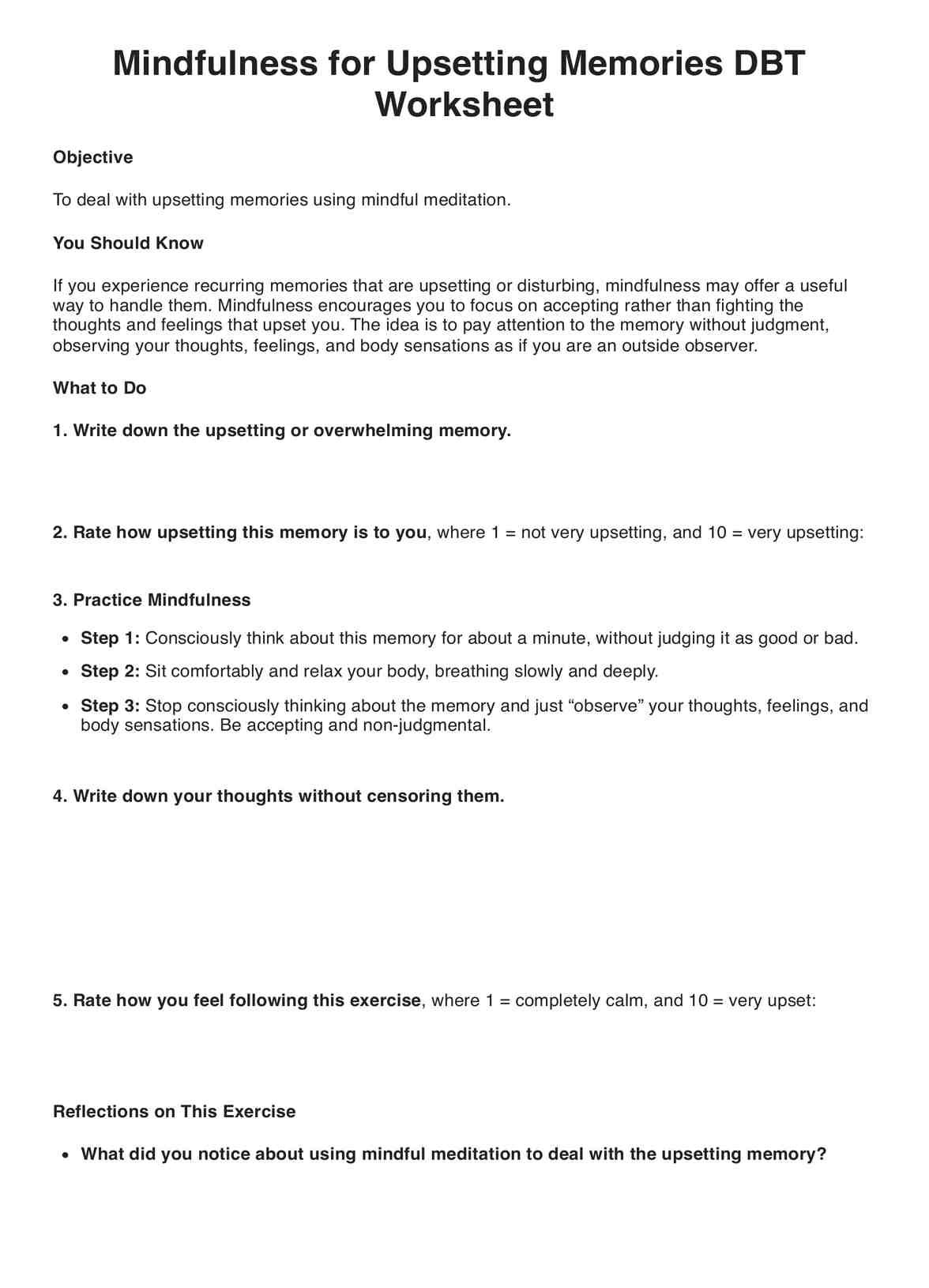
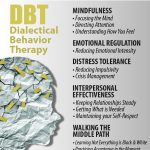
When intense emotions feel like a tidal wave, it’s easy to get pulled under. You might have tried generic mindfulness, but when you’re overwhelmed, “just notice your breath” can feel impossible. This is where dbt mindfulness worksheets offer a lifeline—they provide a structured, evidence-based way to observe your inner world without being swept away by it. They transform mindfulness from a vague concept into a practical, step-by-step skill for emotional resilience.
At a Glance: What You’ll Gain from DBT Mindfulness
This guide breaks down how to use Dialectical Behavior Therapy (DBT) mindfulness tools to build a more stable, self-aware life. Here’s what you can expect to learn:
The DBT Difference: Understand why DBT mindfulness is a highly structured skill, not just a relaxation technique.
Core “What” & “How” Skills: Master the six fundamental skills for observing reality clearly and participating in your life effectively.
Practical Application: Get a step-by-step walkthrough for using a worksheet to process a real-life emotional trigger.
Targeted Solutions: See how these tools apply to specific challenges like anxiety, relationship conflict, and impulsive urges.
Actionable First Steps: Leave with a simple plan to start practicing today, even without a formal worksheet.
Beyond ‘Just Breathe’: What Makes DBT Mindfulness Different?
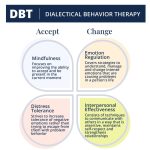
Dialectical Behavior Therapy (DBT), developed by Dr. Marsha Linehan in the 1980s, is built on a core paradox: the need for both acceptance and change. It acknowledges the reality of your present pain (acceptance) while giving you the tools to build a better future (change). Mindfulness is the bedrock of this entire system.
Unlike some practices that focus solely on calming down, DBT mindfulness is about seeing reality as it is, without the filter of intense emotion or harsh judgment. This clear seeing is what allows you to make skillful choices instead of reacting automatically.
DBT organizes our mental states into three categories:
Reasonable Mind: Cool, rational, and task-focused. It operates on facts and logic.
Emotion Mind: Hot, reactive, and driven by your feelings. Logic takes a backseat.
Wise Mind: The synthesis of the two. It’s the deep, intuitive knowing that acknowledges both facts and feelings to find the most effective path forward.
DBT mindfulness skills are designed to help you access Wise Mind, especially when Emotion Mind is screaming for control. Worksheets provide the framework to practice this until it becomes second nature.
The Core DBT Skills: Mastering “What” and “How” with Worksheets
DBT breaks mindfulness into two accessible sets of skills, known as the “What” skills (what you do) and the “How” skills (how you do it). Worksheets guide you through applying these skills to your own experiences.
Skill Set
Skill Name
What It Means in Practice
“What” Skills
Observe
Noticing sensations, thoughts, and feelings without pushing them away or clinging to them. It’s like watching clouds pass in the sky; you see them, but you aren’t the cloud.
Describe
Putting words to your experience using non-judgmental language. Sticking to the facts of what you observe.
Participate
Throwing yourself completely into the present moment. Becoming one with the activity, losing self-consciousness.
“How” Skills
Non-judgmentally
Seeing a thought or event without labeling it “good,” “bad,” “stupid,” or “unfair.” You separate the observation from your opinion of it.
One-mindfully
Doing one thing at a time with your full attention. The opposite of multitasking.
Effectively
Doing what works to achieve your goals in a situation, rather than what feels “right” or “fair.” It’s about choosing practicality over being driven by willfulness.
The “What” Skills: Observing, Describing, and Participating
The “What” skills are about connecting with the present moment. A worksheet might prompt you after a stressful event:
Observe: “What sensations do you notice in your body right now? (e.g., tight chest, clenched jaw, shaky hands).” This anchors you in physical reality.
Describe: “Put words to the primary emotion you are feeling. (e.g., ‘I feel anger,’ not ‘He made me angry’).” This fosters ownership and clarity.
Participate: “For the next three minutes, fully engage in one activity without distraction. What will it be?” This pulls you out of rumination and into action.
The “How” Skills: The Art of Non-Judgment, One-Mindfulness, and Effectiveness
The “How” skills are the adverbs—they modify how you use the “What” skills.
Imagine you made a mistake at work. A worksheet focused on “How” skills could help you reframe it:
Non-judgmentally: It asks you to separate fact from judgment. “The report contained an error” is a fact. “I’m a failure and I’m going to get fired” is a judgment. A worksheet helps you see the difference.
One-mindfully: Instead of replaying the mistake while trying to do other work, you’d commit to focusing solely on correcting the report for 30 minutes.
Effectively: Emotion Mind might want to hide or blame someone else. Wise Mind, guided by the principle of effectiveness, knows that the best path is to own the mistake, correct it, and communicate clearly.
Putting It into Practice: A Step-by-Step Guide to Using a DBT Mindfulness Worksheet
Let’s walk through a common scenario using the structure of a typical dbt mindfulness worksheet. Scenario: You receive a blunt, critical email from your boss, and you immediately feel a surge of defensive anger and anxiety. Step 1: Identify the Trigger
The worksheet starts here. The trigger is “receiving the critical email.” You write this at the top. Step 2: Engage Your “What” Skills (Observe & Describe)
The next section of the worksheet asks you to ground yourself in the present reality of your experience.
Prompt: What physical sensations do you OBSERVE in your body?
Your Answer: “Heat flushing my face. A pit in my stomach. My heart is beating fast. I feel an urge to type a defensive reply immediately.”
Prompt: DESCRIBE the primary emotion using factual, non-judgmental language.
Your Answer: “I feel defensive. I feel hurt. I am experiencing anxiety about the project’s success.” (Notice this is different from “My boss is a jerk and is trying to sabotage me.”) Step 3: Apply Your “How” Skills (Non-judgmentally & Effectively)
This is where you shift from raw experience to skillful analysis.
Prompt: Identify any judgmental thoughts and rephrase them as non-judgmental observations.
Judgmental Thought: “This criticism is totally unfair.”
Non-judgmental Rephrase: “I disagree with some of the points in the email. My perspective on the task is different from my boss’s.”
Prompt: Consider effectiveness. What is your ultimate goal in this situation? What action will get you closer to that goal?
Ineffective Urge (Emotion Mind): Send a long, defensive email explaining why they are wrong.
Effective Action (Wise Mind): Wait an hour. Reread the email to identify the core action items. Formulate a calm, professional response that addresses the feedback and proposes a plan. Step 4: Access Your Wise Mind
The final part of the worksheet often asks for a Wise Mind summary.
Prompt: What would Wise Mind do right now?
Your Answer: “Wise Mind acknowledges my hurt and anger without letting it dictate my actions. It knows that a reactive email will damage my professional relationship. The effective action is to take a short walk, calm my nervous system, and then draft a reply that is constructive and focused on solving the problem.”
This structured process creates a crucial pause between an emotional stimulus and your response. While these targeted DBT exercises are powerful, they are most effective when built on a foundation of general present-moment awareness. You can explore a wide range of practices in this comprehensive guide to Download Free Mindfulness Worksheets to build that core skill.
DBT Mindfulness for Specific Challenges
These skills aren’t just theoretical. They are designed for real-world problems.
Taming Overwhelming Emotions (Anxiety, Anger)
Scenario: Alex feels panic rising before a big presentation. His thoughts are catastrophic: “I’m going to forget everything. Everyone will think I’m an idiot.”
DBT Worksheet Application: Alex uses the Observe skill with a grounding technique like the 5-4-3-2-1 method (notice 5 things you can see, 4 you can feel, etc.). This pulls him out of his head and into his senses. He then uses the Describe skill to label the sensations non-judgmentally: “My heart is pounding. My palms are sweaty.” By describing the physical facts, he robs the catastrophic thoughts of their power.
Navigating Relationship Conflicts
Scenario: Jamie and her partner are arguing. Emotion Mind is screaming at her to bring up past mistakes and “win” the fight.
DBT Worksheet Application: Mentally, Jamie runs through an Effectiveness worksheet. Her goal isn’t to win; it’s to feel heard and resolve the issue. “Winning” is ineffective because it will damage the relationship. She shifts her focus to one-mindfully listening to her partner’s perspective, which de-escalates the conflict and opens the door for a Wise Mind solution.
Reducing Impulsive Behaviors
Scenario: Casey feels a strong urge to binge shop online after a deeply frustrating day.
DBT Worksheet Application: Casey uses an “Urge Surfing” worksheet. She Observes the urge as a physical sensation—a wave of tension and craving. She Describes it without judgment: “There is a strong pull to open the shopping app.” This act of observation creates distance. She then commits to Participating one-mindfully in a different activity for 15 minutes, like making a cup of tea, knowing the urge will likely crest and fall like a wave if she doesn’t feed it.
Quick Answers to Common Questions
Q: Isn’t this just overthinking my feelings?
No, it’s the opposite. Overthinking (or rumination) is getting stuck in your thoughts and letting them spin. DBT mindfulness teaches you to observe your thoughts and feelings from a distance, seeing them as temporary events in your mind rather than undeniable truths. The goal is to un-stick yourself. Q: Do I need a clinical diagnosis to use DBT worksheets?
Absolutely not. While DBT was developed to treat conditions like Borderline Personality Disorder and is effective for depression and anxiety, the mindfulness skills are universal life skills. Anyone looking to reduce emotional reactivity, make better decisions under pressure, and increase their self-awareness can benefit. Q: How often should I use these worksheets?
Consistency beats intensity. Start by using a simple worksheet once or twice a week for a low-stakes emotion, like mild irritation. According to studies on DBT, regular practice is key to building the “muscle” of mindfulness. As you become more familiar with the skills, you can apply them in the moment during more intense situations, even without a physical worksheet. Q: What’s the main difference between DBT and regular mindfulness?
Standard mindfulness often emphasizes broad awareness and acceptance. DBT mindfulness is highly structured and skill-oriented. It explicitly teaches you how to pay attention (the “What” and “How” skills) with a clear therapeutic goal: to regulate emotions, tolerate distress, and act effectively. It’s mindfulness as a precise tool for change.
Your First Step to a More Mindful Response
You don’t need a complex system to start. The power of dbt mindfulness worksheets lies in their ability to break down a complex internal process into simple, manageable steps. They prove that you don’t have to be a victim of your emotions; you can learn to work with them.
Ready to start building your resilience? Try this simple plan today.
Choose One Skill. Don’t try to master all six at once. For the next week, focus only on practicing Non-judgmentally.
Pick a Low-Stakes Situation. Notice your judgmental thoughts when you’re stuck in traffic or a meeting is running long. Don’t wait for a crisis to practice.
Use a “Mini-Worksheet.” Grab a notebook or a notes app and create three columns: Triggering Event | My Judgmental Thought | A Non-judgmental Description.
Fill it out once a day. This simple exercise builds the foundational skill of separating fact from emotional interpretation. It’s the first step toward responding to life from your Wise Mind, creating a life built on intention, not just reaction.
I am a writer specializing in health and lifestyle, committed to delivering well-researched, engaging, and insightful content. With a keen eye for trends and a deep understanding of health, presenting and exploring topics ranging from nutrition and mental health to sustainable living. This writing is solely intended to educate, inspire, and empower readers to live a healthier, more balanced life.