In a world buzzing with notifications and endless to-do lists, the search for a moment of peace can feel like another task to manage. Finding effective, accessible tools is key, which is why so many people are turning to mindfulness worksheets pdf free downloads as a tangible first step. These simple, printable guides offer a structured way to disconnect from digital noise and reconnect with yourself, providing a clear path to practice awareness without needing an app or a subscription.
This guide moves beyond just finding worksheets—it shows you how to use them effectively. We’ll break down which exercises to choose for specific challenges like anxiety or distraction and provide a clear plan to integrate them into your daily routine for lasting calm.
At a Glance: Your Takeaways
Match the Tool to the Moment: Learn to identify the right type of worksheet for what you’re feeling right now—whether it’s overwhelm, self-criticism, or a lack of focus.
Build a Sustainable Habit: Discover a simple 5-minute framework for integrating one worksheet into your day without it feeling like another chore.
Understand the “Why”: See how printable worksheets leverage the power of tactile learning to deepen your mindfulness practice in a way digital apps can’t.
Get a 7-Day Starter Plan: Walk away with a concrete, day-by-day plan to begin your practice immediately using proven mindfulness techniques.
Answers to Common Questions: Find clear, expert-backed answers to questions about consistency, effectiveness, and what to do when your mind wanders.
Beyond the Screen: The Power of a Tangible Worksheet
In an age dominated by screens, the simple act of putting pen to paper is a form of mindfulness in itself. A printable worksheet creates a dedicated, distraction-free space for reflection. Unlike an app that keeps you tethered to the very device causing much of your mental clutter, a physical sheet of paper encourages you to slow down, engage your senses, and be fully present with the task at hand.
This isn’t just about nostalgia; it’s about neurology. The physical act of writing can improve memory and solidify concepts more effectively than typing. When you fill out a worksheet—tracing a breathing pattern, listing gratitudes, or checking off sensory observations—you are creating a tangible record of your inner world, making abstract concepts like “awareness” concrete and actionable.
Your Mindfulness Toolkit: Choosing the Right Exercise for Your Needs
Mindfulness isn’t a one-size-fits-all solution. The beauty of having a diverse collection of worksheets is the ability to pick the right tool for a specific mental or emotional state. Think of it as a first-aid kit for your mind. With hundreds of expertly designed options available, knowing where to start is crucial. For a comprehensive library covering all these categories, you can Download free mindfulness worksheets.
Here’s how to choose the right printable for what you’re experiencing.
When You Feel Overwhelmed or Anxious
When your nervous system is in overdrive, you need a tool that directly activates your body’s relaxation response (the parasympathetic nervous system). Worksheets focused on structured breathing are exceptionally effective for this.
What to look for: Square Breathing, Box Breathing, 4-7-8 Breathing. These PDFs provide a visual anchor—like a square or a triangle—to guide your breath. This external focus helps break the cycle of racing thoughts.
How it works in practice: A Square Breathing worksheet will show a simple square. The instructions guide you to:
Inhale for a count of four as you trace the first side.
Hold your breath for a count of four as you trace the second side.
Exhale for a count of four as you trace the third side.
Hold again for a count of four as you trace the final side.
Repeating this simple, guided exercise for just one minute can significantly lower immediate feelings of panic and reduce stress hormones like cortisol over time.
When Your Mind Is Racing with Distractions
A scattered mind struggles to stay in the present. The antidote is to gently pull your attention back to your immediate sensory experience. This grounds you in the “here and now.”
What to look for: The Five Senses Exercise, Mindful Walking, or Mindful Listening prompts.
How it works in practice: The Five Senses worksheet provides a simple, structured checklist to anchor your awareness. It will prompt you to pause and list:
5 things you can see: The grain of wood on your desk, the color of your pen.
4 things you can feel: The texture of your chair, the warmth of your mug.
3 things you can hear: The distant hum of traffic, the sound of your own breathing.
2 things you can smell: The faint scent of coffee, the paper of the worksheet itself.
1 thing you can taste: The lingering taste of toothpaste or your morning tea.
The goal isn’t to find profound things, but simply to notice what is already there. This exercise pulls you out of future worries or past regrets and plants you firmly in the present moment.
When You’re Stuck in Self-Criticism
Our inner critic can be relentless. Worksheets based on self-compassion and cognitive reframing help you challenge these negative thought patterns without judgment. These tools are often rooted in therapeutic approaches like Acceptance and Commitment Therapy (ACT).
What to look for: Self-Compassion Break, Challenging the Inner Critic, or Values Clarification exercises.
How it works in practice: A “Challenging the Inner Critic” worksheet might have three columns.
Critical Thought: You write down a harsh, automatic thought (e.g., “I always mess things up.”).
Evidence For/Against: You objectively list evidence, treating the thought as a hypothesis, not a fact.
A Compassionate Response: You reframe the thought as if you were speaking to a beloved friend in the same situation (“You made a mistake, and that’s okay. What can you learn from this?”).
This structured process creates distance from the thought, allowing you to see it more clearly and respond with kindness instead of criticism.
When You Feel Disconnected or Unmotivated
Sometimes, the issue isn’t acute stress but a dull sense of purposelessness. Gratitude and self-reflection worksheets help you reconnect with what truly matters, shifting your focus from what’s lacking to what’s present.
What to look for: Gratitude Lists, “Who Are You?” self-awareness prompts, or a “Not-To-Do List.”
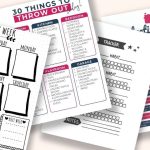
How it works in practice: The “Not-To-Do List,” an idea highlighted by mindfulness experts like Sean Fargo, flips the script on productivity. Instead of adding more to your plate, this worksheet asks you to identify and commit to stopping things that drain your energy. This could be:
Checking emails first thing in the morning.
Saying “yes” to commitments that don’t align with your values.
Engaging in gossip.
By consciously eliminating these drains, you create more mental and emotional space for activities that energize and fulfill you.
How to Weave Mindfulness into Your Day (Without It Feeling Like a Chore)
The most beautifully designed worksheet is useless if it stays in a folder on your computer. The key to seeing real benefits is consistent, gentle practice. Here’s a simple playbook to get started.
The 5-Minute Morning Reset
Your morning routine sets the tone for your entire day. Before you reach for your phone and invite the world’s chaos in, dedicate five minutes to a mindful check-in.
Prepare the Night Before: Choose and print a single mindfulness worksheets pdf free printable that resonates with your current needs.
Create a Cue: Place the worksheet and a pen somewhere you can’t miss it, like next to your coffee maker, on your desk chair, or by your journal.
Practice Before Pixels: Before checking email or social media, complete the exercise. Fill in the blanks, trace the lines, or write your reflections.
Set an Intention: Take one small insight from the worksheet with you into your day. It could be a feeling of gratitude, a commitment to mindful breathing, or a more compassionate self-statement.
Turning Reflection into Action
A worksheet is a starting point, not an endpoint. To deepen the practice, connect the dots between the page and your life.
Journal a Takeaway: After completing a worksheet, take two minutes to free-write in a journal. What did you notice? What surprised you?
Share Your Insight: Discuss a theme from a worksheet with a trusted friend, partner, or therapist. Explaining an insight to someone else can clarify your own understanding.
Use it as a Meeting Starter: If you’re a manager or team lead, a simple Mindful Listening or breathing exercise can be a powerful way to ground everyone at the start of a meeting, fostering better focus and collaboration.
These worksheets are incredibly versatile. Therapists use DBT-based “States of Mind” worksheets to help clients find their “Wise Mind,” a balance between emotion and reason. Educators use them with youth to improve attention and emotional regulation, with research showing clear benefits for academic skills.
Quick Answers to Common Mindfulness Worksheet Questions
It’s normal to have questions when starting a new practice. Here are clear answers to some of the most common ones.
Do I need to be a “meditation person” to use these?
Not at all. Think of these worksheets as mental fitness exercises, not spiritual rituals. They are secular, practical tools designed by experts to be accessible to everyone, regardless of background. If you can breathe and hold a pen, you can use these guides.
How long until I see results?
You might feel an immediate sense of calm after a 3-minute breathing exercise. That’s your nervous system responding in real-time. Deeper, more lasting benefits—like improved resilience to stress, better focus, and greater self-awareness—come from consistency. The goal is to build a new habit. Short, daily practice is far more effective than one long session per week.
What if my mind wanders while doing an exercise?
Congratulations, you’ve just had a moment of mindfulness! The goal is not to silence your mind; that’s impossible. The practice is in noticing that your mind has wandered and gently, without judgment, guiding it back to the worksheet. Every time you do this, you are strengthening your attentional “muscle.”
Are these worksheets suitable for kids and teens?
Absolutely. Worksheets designed for younger audiences are a core part of many mindfulness resources. For kids as young as three, they are often presented as fun games or coloring activities that teach focus and emotional awareness. For teens dealing with identity, confidence, and relationships, worksheets provide a safe, structured way to explore their inner world.
A Simple 7-Day Starter Plan
Ready to begin? Here is a simple, practical plan for your first week. Commit to just five minutes a day.
Day
Focus
Recommended Worksheet Exercise
Goal
Day 1
Grounding in the Present
The Five Senses Exercise
Anchor your awareness in your immediate environment.
Day 2
Calming Anxiety
Square Breathing
Activate your body’s natural relaxation response.
Day 3
Shifting Perspective
A Gratitude List
Notice what is good and present in your life, however small.
Day 4
Deepening Connection
Mindful Listening
Practice being fully present in a conversation with someone else.
Day 5
Building Self-Awareness
Observe an Emotion
Name and watch an emotion rise and fall without judgment.
Day 6
Protecting Your Energy
The “Not-To-Do List”
Identify and eliminate one small energy drain from your day.
Day 7
Cultivating Kindness
Self-Compassion Break
Offer yourself the same kindness you would offer a good friend.
From Worksheet to Well-Being
A mindfulness worksheets pdf free download is more than just a document; it’s a structured invitation to pause in a world that tells you to speed up. It’s a tool that empowers you to check in with yourself, understand your inner state, and respond to life’s challenges with more intention and less reactivity.
These printable guides are not about achieving perfection or an empty mind. They are about practicing presence, one moment at a time. Choose one exercise from the plan above that speaks to you. Print it out, find a quiet five minutes, and begin. That single, simple act is a powerful step toward building a calmer, more aware, and more compassionate life.
I am a writer specializing in health and lifestyle, committed to delivering well-researched, engaging, and insightful content. With a keen eye for trends and a deep understanding of health, presenting and exploring topics ranging from nutrition and mental health to sustainable living. This writing is solely intended to educate, inspire, and empower readers to live a healthier, more balanced life.