Finding effective mindfulness activities for high school students pdf downloads can feel like searching for a needle in a haystack. You need something that respects their intelligence, speaks to their real-world pressures, and avoids the “cringey” platitudes that make them tune out instantly. The goal isn’t just to get them to sit still and breathe; it’s to give them practical, science-backed tools to navigate the intense academic, social, and emotional landscape of their teenage years.
This guide breaks down what actually works. We’ll move beyond generic advice and into a structured framework you can use to deliver short, impactful mindfulness lessons that resonate with a teen audience.
At a Glance: Your Takeaways
- A Proven 4-Part Lesson Plan: Discover the 20-minute structure that balances focus, learning, movement, and practice to keep teens engaged.
- The “Why” Before the “How”: Learn how to explain the neuroscience behind mindfulness—like the “flipped lid” brain model—to build buy-in and credibility.
- Printable Activities That Work: Get step-by-step instructions for exercises designed specifically for high schoolers, focusing on grounding and emotional awareness.
- Navigating Teen Skepticism: Find answers to common questions and concerns, like how to introduce mindfulness without it feeling cheesy or forced.
- The “Practice, Not Perfection” Mindset: Understand why framing mindfulness as a skill to be developed, not a state to be perfected, is the key to long-term success.
Beyond ‘Just Breathe’: A 4-Part Framework for Teen Engagement
A common mistake is simply telling a stressed-out teen to “take a deep breath.” Without context, it feels dismissive. A more effective approach, particularly for a classroom or group setting, uses a predictable structure that builds understanding and trust.
Based on lesson plans designed for developing social-emotional skills (SEL), an effective 20-minute session can be broken into four distinct parts. This framework provides consistency and helps manage expectations, making the practice feel less abstract and more like a structured workout for the brain. For a broader library of exercises you can adapt into this model, you can Download free mindfulness worksheets that cover a wide range of awareness practices.
Here’s the breakdown of a 20-minute lesson:
| Phase | Duration | Purpose & Example |
|---|---|---|
| 1. Centering | 2-3 minutes | A brief, simple activity to ground the group in the present moment. Example: “Find a comfortable posture. Notice three sounds in the room. Now, feel your feet on the floor. Take one slow breath in and out.” |
| 2. Focus Topic Breakdown | 5-7 minutes | The “why” of the lesson. This is where you introduce a core concept, often tied to brain science or emotional regulation. Example: Today, we’re talking about how our brains react to stress. |
| 3. Movement | 2-3 minutes | Acknowledges that teens need to move. This breaks up the sitting and re-energizes the room. Example: A simple standing stretch, rolling the shoulders, or shaking out the hands and feet. |
| 4. Guided Mindfulness Practice | 5-8 minutes | The core exercise that puts the focus topic into practice. Example: A guided body scan or a mindful listening exercise related to the day’s theme. |
| Crucially, every session should be framed with the reminder: “This is practice, not perfection.” Minds wander. That’s what they do. The goal isn’t to have an empty mind, but to notice when it has wandered and gently guide it back. This one concept removes the pressure to “get it right” and makes the entire process more accessible. |
From Abstract to Actionable: Teaching the “Why” Behind Mindfulness
High schoolers are critical thinkers. To get them on board, you need to connect mindfulness to their reality. Tying abstract concepts to tangible biology and psychology is incredibly effective. Here are two core topics that consistently resonate.
The Brain Science: Explaining the ‘Flipped Lid’
Instead of just saying mindfulness reduces stress, show them how. The work of Dr. Dan Siegel provides a brilliant, easy-to-understand “hand model of the brain” that explains the stress response.
- The Setup: Have students make a fist with their thumb tucked inside.
- The Parts of the Brain:
- Wrist: The brainstem (basic functions).
- Tucked-in Thumb: The Limbic System, especially the amygdala—the brain’s emotional alarm system that triggers the “fight, flight, or freeze” response.
- Fingers Curled Over: The Pre-Frontal Cortex (PFC)—the “thinking” part of the brain responsible for planning, focus, and rational decision-making.
- The “Flip”: When the amygdala senses a threat (a pop quiz, a social conflict, a worrying thought), it hijacks the brain. To illustrate this, have students “flip their lid” by uncurling their fingers. This visually shows how they lose connection with their thinking PFC, leaving the reactive emotional brain in charge.
Mindfulness practice, especially focusing on the breath, helps bring the PFC back online. It soothes the amygdala and allows teens to respond thoughtfully instead of reacting impulsively. You can even connect it directly to breathing: neuroscientist John Kabat-Zinn explains that inhaling is linked to the sympathetic nervous system (the gas pedal), while exhaling activates the parasympathetic nervous system (the brake). A longer exhale literally tells the brain to calm down.
The Emotional Weather Report: Naming and Allowing Feelings
High school is a storm of emotions. The natural tendency is to push away uncomfortable feelings like anxiety, disappointment, or sadness. Mindfulness offers a radical alternative: letting them be.
Introduce emotions as “energy in motion.” Explain that fighting an emotion is like trying to hold a beach ball underwater—it takes a lot of energy and eventually pops up with even more force. The practice is to notice, name, and allow the feeling without judgment.
A powerful tool for this is the 13th-century poet Rumi’s poem, “The Guest House.”
This being human is a guest house.
Every morning a new arrival.
A joy, a depression, a meanness,
some momentary awareness comes
as an unexpected visitor.
Welcome and entertain them all!
This analogy reframes emotions not as problems to be solved, but as temporary visitors. The practice involves asking:
- “What am I feeling right now?” (Just name it: “sadness,” “frustration,” “excitement.”)
- “Where do I feel this in my body?” (A tight chest for anxiety, a warm feeling in the stomach for gratitude.)
By observing the physical sensations of an emotion with curiosity, students learn to detach from the story and simply witness the feeling as it moves through them.
Your Printable Toolkit: 3 Mindfulness Activities for High School Students
These activities are designed to be practical, quick, and easy to explain. They can be used as the “Guided Practice” portion of the 4-part lesson plan.
1. Countdown to Calmness (The 5-4-3-2-1 Method)
This is a powerful grounding technique for moments of high anxiety or overwhelm because it pulls attention out of a spiral of thoughts and into the immediate physical environment.
- Step 1: Sit or stand comfortably. Take one deep breath in and out.
- Step 2: Silently name 5 things you can see. Encourage them to notice small details: the texture of a wall, the light on the floor, a color in the room.
- Step 3: Silently name 4 things you can feel. The chair supporting you, the fabric of your clothes, the temperature of the air on your skin.
- Step 4: Silently name 3 things you can hear. The hum of the lights, a distant sound outside, the sound of your own breathing.
- Step 5: Silently name 2 things you can smell. If they can’t smell anything, they can imagine a favorite scent, like coffee or rain.
- Step 6: Silently name 1 thing you can taste. The lingering taste of lunch, or simply the sensation of their tongue in their mouth.
- Step 7: Finish with one more slow, intentional breath.
2. The Body Scan for Data, Not Relaxation
The traditional body scan can sometimes create pressure to relax. Reframe it as a data-gathering exercise. The goal isn’t to change anything, but simply to collect information about what’s present in the body.
- Step 1: Find a comfortable posture—sitting, or lying down if appropriate for the space.
- Step 2: Guide their attention to their feet. Ask them to notice, with curiosity, what sensations are there. Is there warmth? Coolness? Tingling? Pressure? Numbness? There are no right or wrong answers.
- Step 3: Slowly move the “spotlight” of their attention up through the body: lower legs, knees, upper legs, hips, stomach, chest, back, hands, arms, shoulders, neck, and face.
- Step 4: For each body part, simply ask them to notice the sensations present without judging them or needing to change them. If they notice tension in their shoulders, the instruction isn’t “relax your shoulders,” but rather, “notice the sensation of tightness in your shoulders.”
- Step 5: Conclude by having them take a breath and notice their body as a whole.
3. Mindful Listening
This exercise sharpens focus and demonstrates how easily the mind gets distracted. It’s simple, requires no equipment, and can be done anywhere.
- Step 1: Ask students to sit in a comfortable, upright posture and close their eyes if they feel comfortable.
- Step 2: Instruct them to open their awareness to all the sounds around them. The goal is to receive the sounds without labeling or judging them.
- Step 3: Instead of thinking, “That’s a fan… that’s someone coughing… that’s annoying,” simply notice the pure sensory experience: the pitch, volume, and texture of each sound as it arises and passes.
- Step 4: Let sounds be like clouds passing in the sky. Notice them come, be present for them, and notice them go.
- Step 5: After a few minutes, gently bring their attention back to the room. Ask: “What did you notice?” This opens the door to discuss how often the mind adds stories and judgments to simple sensory input.
Common Questions About Teen Mindfulness
Even with the best approach, you’ll encounter skepticism. Here’s how to address common concerns.
Q: What if my students think this is weird or cheesy?
A: Acknowledge the awkwardness upfront. Say something like, “This might feel a little different, but let’s try it as an experiment.” Ground the practice in science—the brain model is perfect for this. Keep initial sessions short (3–5 minutes) and give students agency. Using invitational language like “If you’re comfortable, you can close your eyes,” is more effective than demanding compliance.
Q: How is mindfulness different from just relaxing?
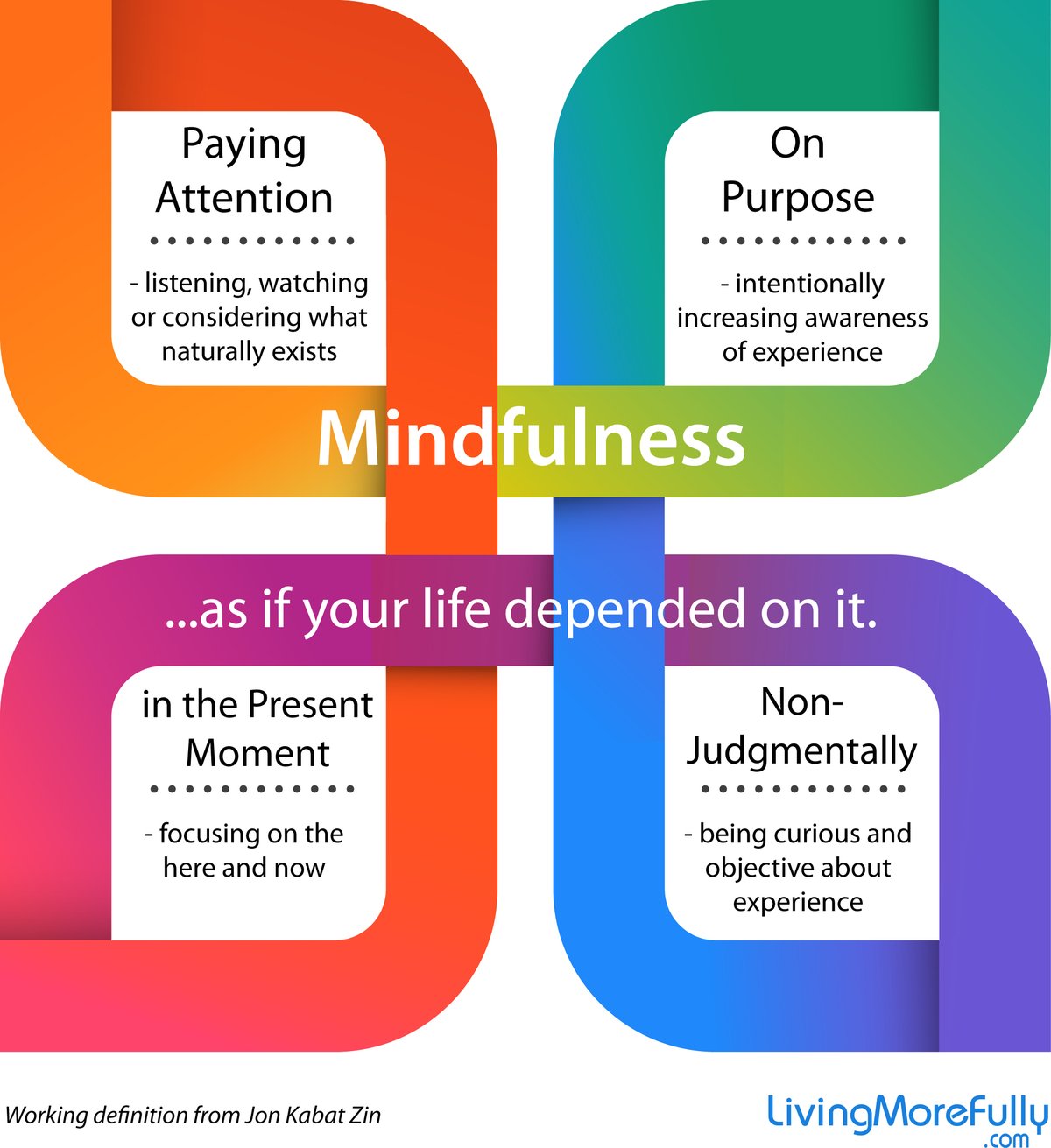
A: This is a key distinction. Relaxation is often the outcome, but it’s not the goal. Mindfulness is the practice of paying attention to the present moment, whatever it holds—and sometimes the present moment includes stress, boredom, or agitation. The goal is to be aware of your experience without judgment, not to force a state of calm. True calm often arises as a byproduct of this acceptance.
Q: Do you need a special app or equipment?
A: Absolutely not. The most powerful tools are a student’s own breath and attention. While apps can be helpful, a simple mindfulness activities for high school students pdf or a verbal script is more than enough to start. The simplicity is a feature, not a bug—it means they can use these skills anywhere, anytime.
Q: How long does it take to see benefits?
A: Small shifts in focus and a sense of grounding can happen in a single session. But framing it like physical exercise is helpful. You don’t get strong from one trip to the gym. As supported by neuroscience research, consistent practice—even just a few minutes a day—builds and strengthens the neural pathways in the Pre-Frontal Cortex, leading to improved focus, better emotional regulation, and increased compassion over time.
Getting Started: A Simple Plan for Your First Session
Don’t try to do everything at once. Your first session should be simple, short, and pressure-free.
- Goal: Introduce the concept of attention as a “muscle” we can train.
- Tool: Choose the “Countdown to Calmness (5-4-3-2-1)” activity. It’s concrete and sensory-based, making it less abstract than a breath-focused meditation.
- Framing: Use clear, non-judgmental language. “We’re going to try a 3-minute brain exercise to practice focusing our attention. This isn’t about clearing your mind or feeling a certain way. It’s just an experiment in noticing what’s around you. Your mind will wander—that’s normal. Just gently bring your focus back to the next step.”
- Debrief: Keep it simple. After the exercise, ask just one or two open-ended questions: “What was that like for you?” or “What did you notice?” Let the students’ experiences guide the conversation.
By starting small and focusing on curiosity rather than results, you create a foundation of trust and show high school students that mindfulness isn’t another thing to be good at—it’s a practical support system they can build for themselves.

- Month Long Meditation Retreat Cultivates Deep Mindfulness and Self-Love - August 9, 2026
- Month Long Spiritual Retreats Offer Deep Inner Transformation - August 8, 2026
- Month Long Retreat Offers Profound Transformation and Self-Discovery - August 7, 2026