The notification buzzes. A homework deadline looms. The social pressures of school feel like a constant, low-grade hum of anxiety. For many young people, modern life is a whirlwind of overstimulation. It’s no wonder parents, educators, and therapists are searching for practical tools to help them navigate it all, and a simple search for printable mindfulness worksheets for youth pdf is often the first step toward finding a solution that is both accessible and effective.
These aren’t just busywork. They are structured guides designed to teach a crucial life skill: mindfulness. This is the practice of paying attention to the present moment—to your thoughts, feelings, and surroundings—without getting carried away by judgment. It’s about creating a sliver of space between a feeling and a reaction, and for a young person, that space can change everything.
New to this? Here’s the big picture of what you’ll find in this guide and why these printable tools are so powerful.
What Mindfulness Is for Youth: It’s a mental training practice, not a religious one. It teaches kids and teens to notice their inner and outer world with curiosity, helping them regulate emotions and reduce overwhelm.
The Core Benefits: Research and clinical practice show mindfulness improves focus, calms anxiety, increases self-compassion, and helps youth manage stress and difficult emotions. It’s a supportive intervention for conditions like ADHD, anxiety, and depression.
Why Worksheets Work: They make abstract concepts concrete. A worksheet can visualize a breathing exercise, provide prompts for gratitude, or offer a structured way to observe thoughts without judgment.
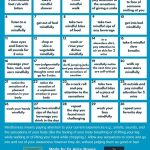
Key Activities Included: You’ll find worksheets for grounding (like the 5-4-3-2-1 technique), mindful breathing, body scans, gratitude journaling, and even creative exercises like mindful coloring.
How to Use Them: The key is to be consistent, patient, and participate with your child. Frame it as a special activity, not a chore, and start with just a few minutes a day.
What Exactly Is Mindfulness for Kids and Teens? (And Why Does It Matter?)
At its core, mindfulness is the simple act of being aware of what’s happening, as it’s happening. For adults, this might involve a silent 20-minute meditation. For kids, it looks a lot more active and engaging. The goal isn’t to empty the mind—an impossible task—but to learn how to observe the thoughts and feelings that pop up, like watching clouds drift across the sky. You notice them, but you don’t have to chase them.
This practice cultivates acceptance and non-judgment. Instead of a child thinking, “I’m so angry, I’m a bad person,” they can learn to think, “I’m noticing a feeling of anger in my body.” This small shift is monumental. It separates the child from the emotion, giving them the power to choose how to respond instead of just reacting.
The benefits are well-documented. Interventions based on mindfulness have been shown to:
Improve Focus and Attention: By training the brain to stay on one thing (like the breath), kids strengthen their “attention muscle,” which is hugely beneficial in school and beyond.
Reduce Reactivity and Impulsivity: Mindfulness helps kids pause before they act, making them less likely to have an emotional outburst.
Increase Compassion and Empathy: As they become more aware of their own feelings, they develop a greater capacity to understand the feelings of others.
Lower Stress and Anxiety: Techniques like mindful breathing can activate the body’s relaxation response, offering immediate relief during stressful moments.
Improve Sleep Quality: Calming the mind before bed can help kids and teens fall asleep more easily and stay asleep longer.
In clinical settings, mindfulness is a core component of powerful therapeutic approaches like Mindfulness-Based Stress Reduction (MBSR), Dialectical Behavior Therapy (DBT), which helps manage intense emotions, and Acceptance and Commitment Therapy (ACT).
The Power of a Simple PDF: How Worksheets Bridge the Gap
It’s one thing to tell a 10-year-old to “pay attention to your breath.” It’s another to hand them a worksheet with a picture of a star and say, “Trace the side of the star as you breathe in, and trace the next side as you breathe out.”
Suddenly, an abstract concept becomes a tangible, engaging activity. This is the magic of printable mindfulness worksheets. They act as a bridge, translating sophisticated psychological concepts into kid-friendly formats.
Here’s why they are such an effective tool for parents, teachers, and therapists:
They Provide Structure: A blank page can be intimidating. A worksheet with clear prompts and visuals guides a child through an exercise, ensuring they understand the steps.
They Make Learning Multi-Sensory: A child isn’t just listening to instructions; they are seeing, reading, writing, or drawing. This deepens their engagement and understanding.
They Externalize Internal Experiences: It can be hard for a child to talk about their “worries.” But a worksheet that asks them to draw their “worry monster” or write a worry on a “leaf” floating down a stream gives them a safe, external way to process it.
They Serve as Take-Home Tools: Therapists often use worksheets in sessions to demonstrate a technique and then send them home with clients for practice. This repetition is what builds a new healthy habit.
A Practical Toolkit: Types of Mindfulness Worksheets to Look For
The world of printable mindfulness worksheets is vast. They range from simple coloring pages to multi-step reflective journals. Here are some of the most effective and popular types you’ll find.
Grounding and Sensory Awareness (The 5-4-3-2-1 Method)
When anxiety or overwhelm kicks in, the mind is usually spinning with thoughts about the past or the future. Grounding exercises pull you back into the present moment by focusing on your senses. The most popular is the 5-4-3-2-1 method.
What it is: The child is prompted to silently name:
5 things they can see.
4 things they can feel (the chair beneath them, their soft shirt).
3 things they can hear.
2 things they can smell.
1 thing they can taste.
How a worksheet helps: A printable guide will have dedicated spaces or boxes for each sense, prompting the child to write or draw what they notice. This turns an internal mental checklist into a concrete, observable task, making it easier to follow during a stressful moment.
Mindful Breathing Exercises
The breath is the ultimate mindfulness anchor because it’s always with you. Worksheets can make breathing exercises fun and visual.
“Belly Breathing” or “Stuffed Animal Breath”: For younger kids, a worksheet might show a picture of a child lying down with a teddy bear on their belly. The instructions are simple: “As you breathe in, watch the bear rise. As you breathe out, watch it fall.”
“Triangle” or “Box Breathing”: These are fantastic for managing anxiety. A worksheet will have a shape (a triangle or a square) to trace. The instructions guide the user to inhale along one side, hold their breath along the next, and exhale along the third. The physical act of tracing syncs the body and mind.
“Lazy 8 Breathing”: This involves tracing a figure 8 on its side. The child breathes in while tracing one loop and breathes out while tracing the other. It’s calming and rhythmic.
Observing Thoughts and Feelings (“Leaves on a Stream”)
This is a cornerstone exercise from Acceptance and Commitment Therapy (ACT). It teaches the skill of defusion—separating from your thoughts so they have less power over you.
What it is: The child imagines themselves sitting by a gently flowing stream. Each time a thought or feeling appears, they place it on a leaf and watch it float by. The goal isn’t to get rid of the thoughts, but to observe them without getting swept away. A sad thought goes on a leaf. A happy thought goes on a leaf. A “what’s for dinner?” thought goes on a leaf.
How a worksheet helps: A printable version will have a large illustration of a stream. Children can be prompted to write or draw their thoughts and feelings on blank leaves printed on the page, then imagine them floating away. This makes the abstract concept of “observing thoughts” incredibly concrete.
Body Scan Meditations
A body scan is a practice of bringing gentle, non-judgmental awareness to each part of the body, one at a time. It helps kids connect with their physical selves and notice areas of tension they might not be aware of.
What it is: Guided by a script, a child brings their attention to their toes, then their feet, ankles, legs, and so on, all the way up to their head. They simply notice any sensations—warmth, tingling, tightness, coolness—without trying to change them.
How a worksheet helps: A worksheet can serve as a visual guide or checklist. It might feature an outline of a body, and the child can color in each part as they focus on it. It could also have prompts like, “What do your feet feel like right now?” or “Notice the feeling of your back against the chair.”
Gratitude and Positive Focus
Mindfulness isn’t just about managing difficult emotions; it’s also about savoring positive ones. Gratitude practices are scientifically proven to increase happiness and well-being.
What it is: The practice involves intentionally bringing to mind things you are thankful for.
How a worksheet helps: Gratitude journals are a classic tool. A printable worksheet might have daily prompts like “Three amazing things that happened today,” “A person I’m grateful for,” or “Something beautiful I saw.” A simple gratitude journal worksheet can be a powerful tool; you can Explore kids mindfulness worksheets to find templates for all ages.
Mindful Coloring and Creative Expression
For some kids, especially younger ones, sitting still to “meditate” is a non-starter. Mindful coloring uses a creative and familiar activity to foster a state of focused attention.
What it is: Instead of rushing to finish the picture, the child is encouraged to pay full attention to the process: the feeling of the crayon on the paper, the sound it makes, the vibrant colors filling the space. Mandalas, with their intricate, repetitive patterns, are especially good for this.
How a worksheet helps: The worksheet is the activity. For the youngest minds, abstract concepts like ‘observing thoughts’ are too advanced, which is why simple activities like mindful coloring are so effective. You can find many great Mindfulness Printables for Young Kids that focus on sensory engagement and simple patterns.
Putting Worksheets into Practice: A Guide for Parents and Educators
Having a stack of worksheets is one thing; using them effectively is another. Success lies in the approach. Here’s how to introduce these tools in a way that feels helpful, not demanding.
Choose the Right Time and Place
Don’t pull out an “Anger Management” worksheet in the middle of a tantrum. The goal is to build skills when a child is calm so they can access them when they’re not. Try incorporating them into a quiet routine—after school, before bed, or during a weekend morning.
Frame It as an Activity, Not a Chore
Your language matters. Instead of “You need to do your mindfulness homework,” try “Hey, want to try a cool breathing game with me?” or “Let’s do some calm coloring together.” Positivity and curiosity are your best friends.
Do It With Them
Mindfulness is a human skill, not just a “kid skill.” Model the behavior you want to see. Fill out your own gratitude list. Trace the breathing shape alongside them. Your participation shows that this is a valuable practice for everyone and makes it a moment of connection.
Keep It Short and Sweet
A young child’s attention span is short. A five-minute activity is far more effective than a forced 20-minute one. Celebrate the completion of a short exercise. As they get older and more practiced, the duration can naturally extend.
Don’t Force It or Judge the Outcome
If a child isn’t in the mood, let it go. If their answers on the worksheet are silly, that’s okay. The goal is engagement with the present moment, not a perfect result. Mindfulness itself is about non-judgment, and that starts with your approach as the parent or educator.
Common Questions About Mindfulness for Youth (Answered)
If you’re new to this world, you probably have some questions. Here are clear, straightforward answers to the most common ones. Is this a religious practice?
No. While mindfulness has roots in ancient contemplative traditions like Buddhism, the practices taught in schools and therapy are completely secular. They are presented as a form of mental “fitness” or “brain training” focused on universal human experiences like breathing, thinking, and feeling. Will it “fix” my child’s ADHD or anxiety?
Mindfulness is a powerful tool, not a magic cure. For conditions like ADHD, anxiety, or depression, it should be seen as a supportive strategy that builds crucial coping skills. It is often used alongside—not in place of—traditional therapies and medical advice. It helps children manage symptoms, but it doesn’t eliminate the underlying condition. My child can’t sit still. How can they be mindful?
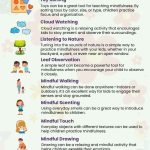
This is a huge misconception! Mindfulness is not just about sitting silently in meditation. Active mindfulness is just as valid. A mindful walk (noticing the crunch of leaves, the feeling of the wind), mindful eating (savoring each bite of a snack), or sensory grounding exercises are perfect for kids who need to move. What age is appropriate to start?
You can introduce the simplest concepts to children as young as three or four. A “belly breathing” exercise with a stuffed animal is a perfect starting point. The key is to match the activity to the child’s developmental stage. Worksheets with writing prompts are better for elementary-aged kids and teens, while picture-based or coloring activities work well for preschoolers.
Beyond the Worksheet: Building a Mindful Family Culture
Printable worksheets are a fantastic entry point. They are the training wheels that help a child get comfortable with the core concepts of mindfulness. But the ultimate goal is to integrate these skills into the fabric of daily life.
Think of the worksheets as your starting point, and then look for opportunities to practice “informal mindfulness” throughout the day.
Mindful Mornings: Before the rush begins, take three deep breaths together.
Mindful Meals: For the first few bites of dinner, eat in silence, paying attention to the colors, smells, and tastes of the food.
Mindful Transitions: Use the drive home from school as a time for a “listening walk” with your ears, noticing all the sounds outside the car.
Mindful Check-ins: Instead of asking “How was your day?” try asking, “What was one feeling you noticed a lot today?”
By weaving these small moments into your family’s rhythm, you move from doing mindfulness exercises to living a more mindful life. You are giving the young people in your care not just a worksheet, but a lifelong toolkit for navigating the beautiful, messy, and often stressful adventure of being human.
I am a writer specializing in health and lifestyle, committed to delivering well-researched, engaging, and insightful content. With a keen eye for trends and a deep understanding of health, presenting and exploring topics ranging from nutrition and mental health to sustainable living. This writing is solely intended to educate, inspire, and empower readers to live a healthier, more balanced life.