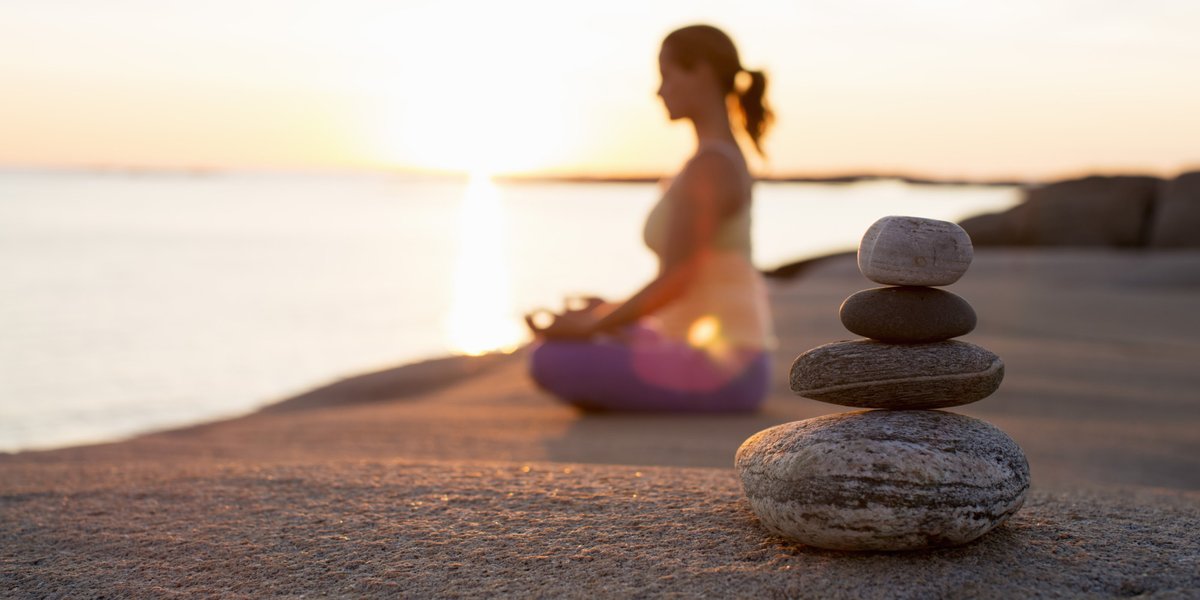
That frantic search for “meditation studios near me” often happens when the noise of daily life becomes deafening. You know you need a break—a real one—not just another five minutes of scrolling. A dedicated studio offers something an app can’t: a sanctuary designed for stillness, guided by an experienced teacher, and powered by the quiet energy of a shared space. It’s a commitment to carving out an hour just for your own mental clarity.
This guide is your roadmap to finding the right studio. It’s for anyone ready to trade distraction for direction and discover the profound benefits of a consistent, guided practice.
At a Glance: Your Quick Guide to Local Studios
What to Expect: Most classes last 30 to 60 minutes, starting with a brief talk, followed by guided or silent meditation, and often ending with a Q&A.
Typical Costs: Expect to pay $15 to $30 for a group class. One-on-one sessions are more intensive and range from $60 to $150 per hour.
Key Benefits: Beyond stress reduction, regular practice can improve self-awareness, enhance mental clarity, and even help lower blood pressure.
How to Prepare: Wear comfortable, non-restrictive clothing. Avoid a heavy meal or alcohol for at least two hours beforehand.
What to Ask: Before committing, inquire about the instructor’s experience, the specific meditation styles they teach, and typical class sizes.
Beyond the Apps: Why a Physical Studio Makes a Difference
While meditation apps are a fantastic starting point, stepping into a physical studio elevates your practice from a daily task to a restorative experience. The environment itself is a powerful tool. There are no laundry baskets in your peripheral vision or notifications pinging from your laptop.
A studio provides three key advantages:
Structured Guidance: A skilled teacher can read the energy of the room and adapt. They provide real-time instruction, correct subtle posture issues, and answer the nuanced questions that apps can’t address.
Shared Intention: There’s a palpable energy that comes from sitting in silence with other people who are all there for the same reason. This collective focus creates a powerful container for your practice, making it easier to drop in and stay present.
Accountability: Booking a class is a tangible commitment. It carves out protected time in your schedule, making you far more likely to show up for yourself than if you just plan to “meditate later.”
Think of it like working out. You can follow a video at home, but the focus and intensity you find in a dedicated gym or yoga class are often on another level. A meditation studio is a fitness center for your mind.
A Walk-Through of Your First Meditation Class
Walking into a new space can be intimidating. Knowing what to expect dissolves that anxiety, allowing you to focus on the experience itself. Here’s a play-by-play of a typical drop-in meditation class.
The Arrival and Settling In
Plan to arrive 10-15 minutes early. This gives you time to sign in, use the restroom, and find a comfortable spot without feeling rushed. You’ll likely see a variety of props available, such as:
Zafus (Round Cushions): For elevating your hips to make sitting on the floor more comfortable.
Zabutons (Flat Mats): Placed under your zafu to cushion your knees and ankles.
Blankets and Bolsters: For extra support under your knees or to wrap around your shoulders for warmth.
The instructor or a studio manager can help you get set up. Don’t be afraid to ask for what you need. Comfort is key to a productive session.
The Class Structure: From Talk to Silence
Most classes follow a simple, effective arc. Based on common studio formats, a 60-minute session might look like this:
Time
Activity
Purpose
0-10 min
Introductory Talk
The instructor welcomes everyone, introduces a theme (e.g., gratitude, impermanence), and provides initial guidance.
10-45 min
Guided or Silent Sit
This is the core of the practice. The teacher may lead you through a body scan, focus on the breath, or offer gentle prompts. Some classes are entirely silent.
45-55 min
Gentle Return
The instructor softly guides your awareness back to the room.
55-60 min
Q&A / Closing
A brief opportunity to ask questions or share insights before quietly departing.
This structure provides a framework that helps both beginners and experienced practitioners settle into a state of deep awareness.
Decoding the Styles: Finding the Right Meditation for You
“Meditation” isn’t a one-size-fits-all practice. Different studios specialize in different techniques, each offering unique benefits. While a full exploration is vast, understanding the most common types you’ll encounter will help you choose wisely. For a complete overview of the different paths, you can Find your local meditation guide and see how they fit into a broader framework.
Here are the styles you’re most likely to find when you search for meditation studios near you:
H3: Mindfulness Meditation
This is the most common and accessible style, rooted in Buddhist tradition but taught in a secular way.
What it is: Paying attention to your breath, thoughts, and bodily sensations without judgment.
Best for: Stress reduction, managing anxiety, and increasing moment-to-moment awareness. A perfect starting point for beginners.
H3: Guided Visualization
Instead of focusing inward on the breath, the instructor leads you on a sensory journey.
What it is: The teacher uses descriptive language to help you build a detailed mental image—a peaceful forest, a warm beach, or a place of inner safety.
Best for: People who find pure silence difficult, enhancing creativity, or working toward a specific goal (like building confidence).
H3: Sound Bath
This is a deeply immersive and passive form of meditation. You simply lie down and let resonant sounds wash over you.
What it is: An instructor uses instruments like Himalayan singing bowls, crystal bowls, gongs, and chimes to create a landscape of healing frequencies.
Best for: Deep physical and mental relaxation, releasing emotional tension, or when you feel too “in your head” for a silent practice. Note that these specialized classes often cost slightly more, sometimes including additions like aromatherapy.
H3: Yoga and Tai Chi
Many wellness centers offer mindful movement classes that are meditations in themselves.
What it is: Practices like Yoga (especially Hatha or Restorative) and Tai Chi link breath with slow, deliberate movements to cultivate a state of flowing concentration.
Best for: Individuals who struggle with sitting still and prefer to quiet the mind through the body. These are excellent complementary practices.
Your Practical Playbook: From Search to Session
Ready to take action? Follow these steps to find and vet the perfect meditation studio.
Step 1: Define Your Primary Goal
Be honest with yourself. Are you looking to:
De-stress and Relax? Look for Mindfulness, Sound Bath, or Restorative Yoga classes.
Improve Focus and Clarity? A consistent Mindfulness or Vipassanā practice is ideal.
Explore Spiritually? Seek out studios that mention specific lineages like Zen or Shambhala.
Join a Community? Look for studios that host events, workshops, or discussion groups.
Step 2: Compare Costs and Value
Price is a factor, but value is more important. A $30 class with a brilliant teacher in a serene environment can be a better investment than a $15 class in a cramped, noisy room.
Feature
Standard Drop-In Studio
Premium Wellness Center
Group Class Cost
$15 – $25
$25 – $35+
Private Session Cost
$60 – $100 / hour
$100 – $150+ / hour
Amenities
Basic props (cushions, blankets)
High-end props, tea lounge, showers
Offerings
Primarily meditation classes
Meditation, yoga, massage, nutrition
Most studios offer a new-student special. It’s a low-cost way to try a few different classes and teachers before committing to a package.
Step 3: Read Reviews with a Discerning Eye
Go beyond the star rating. Look for specific comments that align with your goals.
“The instructor’s voice was so calming.” Great for guided meditation.
“I finally understood what mindfulness really means.” Signals a teacher who is good with beginners.
“The space is so clean and peaceful.” Essential for a relaxing experience.
“A wonderful, welcoming community.” Important if you’re looking for connection.
Step 4: Ask the Right Questions Before You Book
Don’t hesitate to call or email the studio. Their willingness to answer is a good sign.
“What is your teacher’s background and experience?”
“Which of your classes would you recommend for an absolute beginner?”
“What is the average class size?” (Smaller is often better for personalized attention).
“Do you have a refund or credit policy if I can’t make a class I booked?”
A Real-World Example: Choosing Fremont Wellness
Let’s apply this. Imagine you search for “meditation studios near me” and find Fremont Wellness, a holistic center in Fremont, California.
Goal Check: You want to manage stress holistically. Their website lists yoga, meditation, nutrition counseling, and massage. This integrated approach fits your goal perfectly.
Offerings Check: They list “yoga and meditation classes for all levels.” The phrase “all levels” is a green light for beginners.
Value Check: The ability to take a gentle yoga class one day and a meditation class the next from the same package offers excellent value and convenience. You’re not just buying a class; you’re accessing a complete wellness ecosystem.
Next Step: Your clear next step would be to check their new student introductory offer and book a beginner-friendly meditation class.
This process turns a vague search into a confident decision.
Common Questions About Local Meditation Studios
It’s normal to have questions and even a few misconceptions. Let’s clear up the most common ones.
What if I can’t sit still or “clear my mind”?
This is the single biggest myth about meditation. The goal isn’t to stop your thoughts—that’s impossible. The goal is to notice your thoughts without getting carried away by them. A good teacher will constantly remind you of this. And if you need to shift or readjust your posture, just do it mindfully.
Is a group class better than a private session?
It depends on your needs. Group classes are fantastic for building consistency and feeling a sense of community. Private sessions are an investment in personalized guidance, ideal for working through specific challenges, developing a custom practice, or if you feel very intimidated by a group setting.
Are meditation studios religious?
While many meditation techniques originated in spiritual traditions like Buddhism, most modern studios in the U.S. are secular. They focus on the practical, science-backed benefits of mindfulness for mental and physical well-being. If a studio has a specific spiritual affiliation, it will usually be clear on its website.
How often should I go to a meditation class?
Start with once a week. This creates a rhythm and gives you a weekly anchor for your practice. As you become more comfortable, you can increase your frequency or supplement your studio visits with practice at home. Consistency is more important than intensity.
What happens if I fall asleep?
Nothing bad! It’s very common, especially when you’re sleep-deprived. It simply means your body is finally getting the deep rest it needs. The instructor won’t judge you. Just gently return your awareness to the room when you wake up.
Your Next Step: From Searching to Sitting
You’ve done the research. Now it’s time to take the most important step. Don’t let analysis paralysis keep you from the peace you’re seeking.
Follow this simple checklist to get started this week:
Pinpoint Your “Why”: Is it for stress, focus, or curiosity? Choose one.
Run Your Search: Use “meditation studios near me” or “guided meditation class” and look at the top 3-5 local results.
Scan the Schedule: Find a class labeled “Beginner,” “All Levels,” or “Mindfulness Fundamentals.”
Book One Drop-In Class: Don’t commit to a 10-class pass yet. Purchase a single session or a new student special. Put it on your calendar like any other important appointment.
Just Go: Lay out your comfortable clothes the night before. Arrive a few minutes early. Leave your expectations at the door and walk in with an open mind.
The perfect studio is the one you actually attend. The journey to inner peace begins not with finding the ultimate path, but with bravely taking the first step onto the one right in front of you.
I am a writer specializing in health and lifestyle, committed to delivering well-researched, engaging, and insightful content. With a keen eye for trends and a deep understanding of health, presenting and exploring topics ranging from nutrition and mental health to sustainable living. This writing is solely intended to educate, inspire, and empower readers to live a healthier, more balanced life.