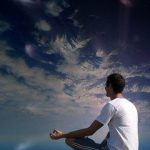
Finding the right meditation pose can feel like the first big hurdle. We often picture an impossibly flexible yogi twisted into a pretzel, but the reality is much more accessible. The goal isn’t to achieve a perfect shape; it’s to find a position that allows your body to be stable, comfortable, and still, so your mind can do the same.
A good posture supports your practice, while a poor one becomes a constant distraction. Pain in your back, numb legs, or a strained neck will pull your focus away from your breath every time. The key principle is simple: find a way to keep your spine naturally upright without being rigid, relax your shoulders and face, and create a stable base. Your body should be an ally in your meditation, not an obstacle.
Finding Your Foundation: Classic Seated Meditation Poses
When most people think of meditation, they imagine sitting cross-legged on the floor. These classic poses are excellent for creating a grounded and stable foundation, but they come in several variations to match your body’s unique flexibility.
The Beginner-Friendly Burmese Pose
If you’re new to floor sitting or have tight hips, the Burmese pose is your best starting point. It’s the kindest to your joints and requires the least flexibility. Simply sit cross-legged with both of your feet flat on the floor in front of you. Your ankles will be crossed, but one foot rests in front of the other, not stacked on top.
Progressing with Lotus Variations
For those with more open hips, the Lotus family of poses offers a highly stable and iconic meditation seat. However, it’s crucial to listen to your body, especially your knees, and never force these positions.
Quarter Lotus: A gentle step up. Rest one foot on the opposite calf or ankle while the other foot remains tucked underneath.
Half Lotus: This requires significant hip flexibility. Place one foot on top of the opposite thigh, with the other foot tucked below the opposite thigh. If you feel any strain in your knee, return to a simpler pose.
Full Lotus: Reserved for highly experienced practitioners with exceptional flexibility. In this advanced pose, each foot rests on the opposite thigh. While it’s incredibly stable, it can put significant pressure on the knees and ankles if held for long periods or attempted without proper conditioning.
Kneeling Poses for Natural Spine Alignment
If sitting cross-legged strains your hips or back, kneeling can be a fantastic alternative. These positions naturally encourage an upright spine, taking the guesswork out of your alignment.
Seiza: The Traditional Kneeling Stance
Seiza is a traditional Japanese kneeling position where you sit back with your buttocks resting on your heels. Your knees are together or slightly apart, and the tops of your feet are flat on the floor. For added comfort and to reduce pressure on your ankles, place a cushion or a folded blanket between your thighs and calves.
Hero Pose for a Deeper Stretch
Hero Pose (Virasana) is similar to Seiza but provides a much deeper stretch for the thighs and ankles. From a kneeling position, separate your feet so they are on either side of your hips, and sit your buttocks down on the floor between them. If this is too intense, place a yoga block or cushion under your seat for support.
When the Floor Isn’t Your Friend: Accessible Alternatives
Let���s be clear: sitting on the floor is not a requirement for successful meditation. If you experience pain, discomfort, or have limited mobility, there are many other meditation poses that are just as effective.
Meditating in a Chair: Stability and Support
A chair is one of the most accessible meditation tools you can use. It’s perfect for meditating at the office, if you have back pain, or if floor sitting is simply not an option. Sit toward the front edge of the chair, with your feet planted flat on the floor, hip-width apart. Keep your back straight and self-supported, rather than leaning against the chair back. This posture promotes alertness and proper alignment.
Lying Down for Ultimate Relaxation
Known as Savasana or Corpse Pose in yoga, meditating while lying down is ideal for body scan practices or if any form of sitting causes pain. Lie flat on your back, preferably on a firm surface like a yoga mat to avoid falling asleep. Let your feet fall open naturally, and rest your arms by your sides with your palms facing up. Placing a pillow under your knees can help release tension in your lower back.
Standing and Walking Meditation for Active Minds
For those who find it difficult to be still, meditation can be a moving practice. Standing meditation involves standing with your feet shoulder-width apart, knees slightly bent, and spine relaxed yet tall. It’s a great way to cultivate energy and presence. Walking meditation uses slow, deliberate, and mindful steps to connect you with your body, breath, and surroundings.
Customizing Your Comfort for a Deeper Practice
Remember, comfort is the top priority. A position that causes pain is not the right position for you. Use props like cushions (zafus), bolsters, or folded blankets to elevate your hips above your knees, which helps your spine stay straight and reduces pressure on your joints.
Listen to your body. If you feel pins and needles or sharp pain, mindfully adjust your position. Once you’ve settled your body, you can consider what to do with your hands. Adopting a specific hand gesture, like the cosmic mudra, can deepen your focus and cultivate a sense of inner balance. If you’re new to the practice, start with shorter sessions of 5-10 minutes and gradually increase the time as your body adapts.
Your Ideal Pose Is the One You Return To
Ultimately, the best of all the meditation poses is the one that feels stable, sustainable, and allows you to forget about your body so you can turn your attention inward. There is no medal for choosing the most difficult posture. Experiment with sitting, kneeling, or lying down. Try different cushions and supports. The right pose for you is the one that invites you back to your practice day after day.
I am a writer specializing in health and lifestyle, committed to delivering well-researched, engaging, and insightful content. With a keen eye for trends and a deep understanding of health, presenting and exploring topics ranging from nutrition and mental health to sustainable living. This writing is solely intended to educate, inspire, and empower readers to live a healthier, more balanced life.