The glow of your screen is the last thing you see at night and the first thing you see in the morning. Your calendar is a ruthless game of Tetris, and the pressure to perform is constant. If this sounds familiar, you’re not alone—and you’re probably looking for effective stress relief techniques for busy professionals that don’t require a two-week vacation to implement. The modern workplace, with its fast pace and high expectations, has made stress a silent partner in our careers.
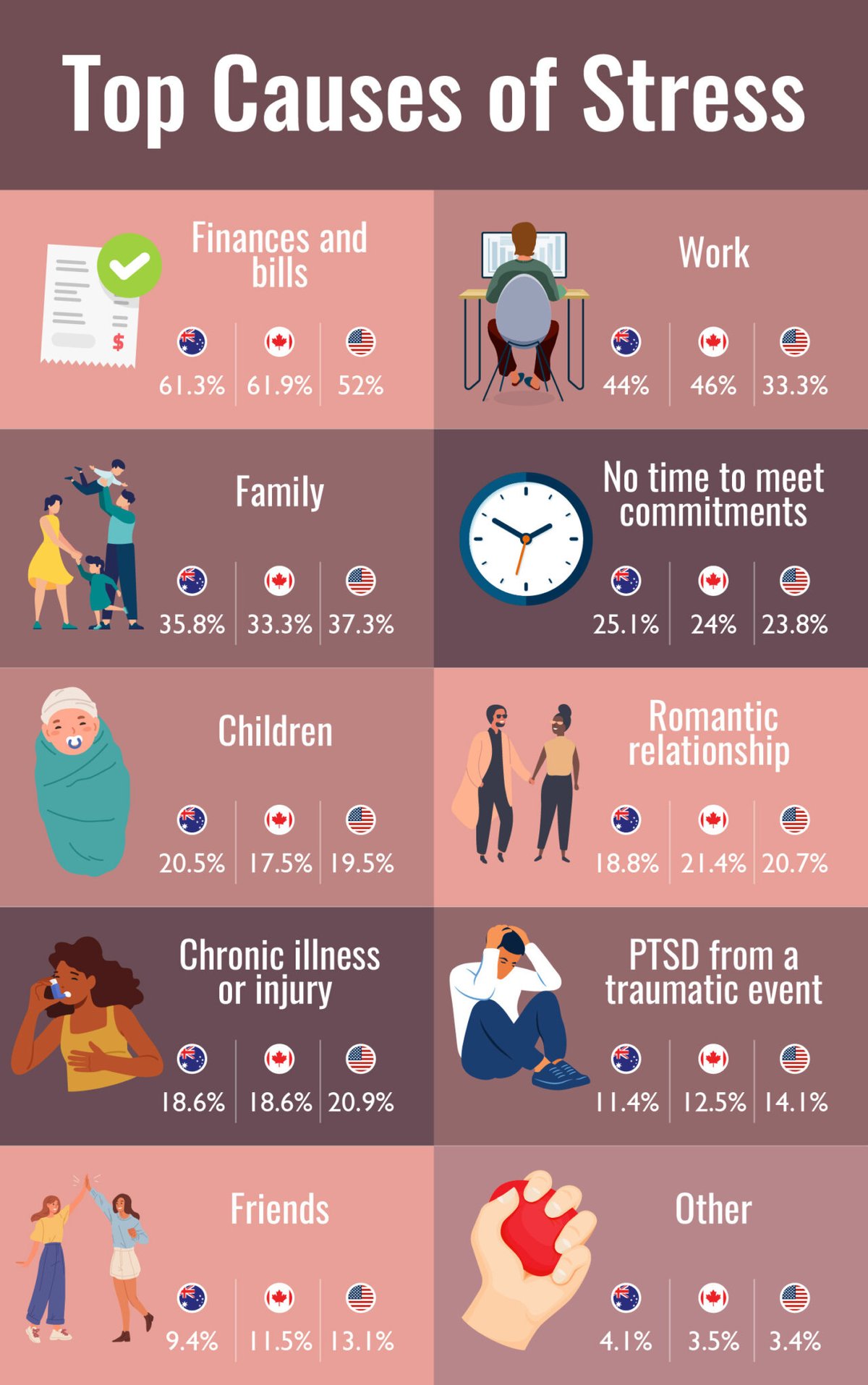
But chronic stress isn’t just a mental burden; it’s a thief. It steals your focus, depletes your energy, and can lead to serious health issues down the line, from burnout and anxiety to cardiovascular problems. One survey found that for a staggering 25% of professionals, their job is the single biggest source of stress in their lives. The good news? You don’t have to let stress run the show. Regaining control is about building a toolkit of practical, sustainable strategies that fit into the life you already have.
Here’s a quick overview of the key strategies we’ll unpack to help you manage workplace stress effectively:
Prioritize Foundational Self-Care: Master the non-negotiables of sleep, nutrition, and personal time to build a resilient baseline.
Embrace Mindfulness and Breathing: Learn simple, science-backed techniques like meditation and deep breathing to calm your nervous system in minutes.
Integrate Physical Activity: Discover how to use movement—from quick desk stretches to regular workouts—to release endorphins and combat tension.
Master Your Time and Tasks: Use proven frameworks like the Eisenhower Matrix and the Pomodoro Technique to reduce overwhelm and work smarter, not harder.
Lean on Your Support System: Understand the critical role of social connection and when it might be time to seek professional guidance.
Why “Pushing Through” Is a Losing Strategy
For years, the default response to workplace pressure was to simply grind harder. We treated burnout as a badge of honor and exhaustion as a sign of commitment. But the data tells a different story. Chronic stress actively works against your goals, leading to decreased efficiency, poor decision-making, and a host of physical ailments like headaches, digestive issues, and even heart disease.
Think of your capacity to handle stress like a bank account. Every demand—a tight deadline, a difficult colleague, a long commute—is a withdrawal. Without making regular deposits through rest and recovery, you eventually overdraw your account. This is burnout.
The goal isn’t to eliminate stress entirely—a healthy amount of pressure can be motivating. The goal is to manage it intelligently, so you can perform at your peak without sacrificing your well-being.
Build Your Foundation: The Three Pillars of Resilience
Before diving into specific in-the-moment techniques, you need a stable foundation. You can’t build a calm mind on a foundation of exhaustion and poor nutrition. These three pillars are your non-negotiables.
1. Prioritize High-Quality Sleep
Sleep is your brain’s reset button. It’s when you consolidate memories, process emotions, and physically repair your body. When you consistently shortchange sleep, you start every day with a depleted stress-management account.
Stick to a Schedule: Go to bed and wake up around the same time each day, even on weekends. This stabilizes your body’s internal clock, or circadian rhythm.
Create a Wind-Down Routine: An hour before bed, disconnect from screens. The blue light suppresses melatonin, the hormone that signals sleep. Instead, read a physical book, listen to calming music, or take a warm bath.
Optimize Your Environment: Keep your bedroom dark, quiet, and cool. These are the universal signals to your brain that it’s time to rest.
2. Fuel Your Body, Fuel Your Mind
What you eat directly impacts your mood and energy levels. When you’re stressed, it’s tempting to reach for caffeine and sugary snacks for a quick boost, but this often leads to an energy crash, worsening your stress.
Focus on Whole Foods: Build your diet around fruits, vegetables, lean proteins, and whole grains. These provide a steady supply of energy without the dramatic spikes and dips.
Limit Stimulants: Be mindful of caffeine and sugar intake. They can amplify feelings of anxiety and disrupt sleep patterns.
Stay Hydrated: Dehydration can cause fatigue and fogginess, which can easily be mistaken for stress. Keep a water bottle on your desk as a constant reminder.
3. Schedule Time for Hobbies and Disconnection
Your brain needs a break from problem-solving mode. Engaging in hobbies you genuinely enjoy—whether it’s gardening, painting, playing an instrument, or reading fiction—is a powerful form of mental relaxation. It allows your mind to wander and recharge, which is essential for creative thinking and emotional regulation.
Schedule these activities into your calendar with the same seriousness you would a business meeting. Protecting this time is a direct investment in your mental health and professional longevity.
In-the-Moment Relief: Calming Your Nervous System Now
When you feel that familiar wave of stress rising—your heart pounding, your thoughts racing—you need tools to ground yourself quickly. These mindfulness and relaxation practices are designed to activate your body’s natural relaxation response.
Find Your Anchor with Mindfulness and Meditation
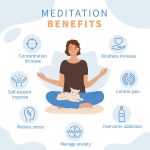
Mindfulness is the simple practice of paying attention to the present moment without judgment. It pulls you out of worrying about the future or ruminating on the past.
Start with Your Breath: Find a quiet spot and close your eyes. Simply notice the sensation of your breath entering and leaving your body. When your mind wanders (and it will), gently guide it back to your breath. Even 5-10 minutes a day can make a difference. Guided meditation apps can be a great entry point.
Try a Body Scan: Lie down and bring your attention to your toes. Notice any sensations—warmth, coolness, tingling—without trying to change them. Slowly move your focus up through your feet, legs, torso, arms, and head. This practice reconnects your mind and body, releasing stored tension.
Master Your Breath with the 4-7-8 Technique
When you’re stressed, your breathing becomes shallow and rapid. Deliberately slowing your breath sends a powerful signal to your brain that you are safe and can relax. The 4-7-8 method is a simple yet potent tool.
Exhale completely through your mouth, making a whoosh sound.
Close your mouth and inhale quietly through your nose to a mental count of four.
Hold your breath for a count of seven.
Exhale completely through your mouth, making a whoosh sound to a count of eight.
Repeat this cycle three to four times. It’s like a tranquilizer for your nervous system.
Release Physical Tension with Progressive Muscle Relaxation (PMR)
Stress often manifests as physical tension—clenched jaws, tight shoulders, and stiff necks. PMR teaches you to release that tension by first exaggerating it.
Starting with your feet, tense the muscles tightly for about five seconds, then release them completely for 30 seconds, noticing the difference. Work your way up your body, systematically tensing and relaxing each muscle group: calves, thighs, glutes, abdomen, back, arms, hands, shoulders, and face. This process leaves you feeling physically and mentally more relaxed.
Move Your Body, Change Your Mind
Physical activity is one of the most effective stress-relief tools available. It boosts the production of endorphins, your brain’s feel-good neurotransmitters, and serves as a form of moving meditation.
Make Regular Exercise a Priority
You don’t need to spend hours at the gym to reap the benefits. A brisk 30-minute walk a few times a week is incredibly effective. The key is consistency. Find an activity you enjoy, whether it’s running, swimming, cycling, or dancing, and schedule it into your week.
Think of it less as a chore and more as a crucial meeting with your most important stakeholder: yourself.
Mindful Movement: Yoga and Tai Chi
Practices like yoga and tai chi are especially powerful because they combine physical postures, breathing exercises, and meditation. This holistic approach not only reduces physical tension but also calms the racing mind, improving your ability to stay centered amidst chaos. Many online classes are available for all skill levels.
Desk-Friendly Stretches for Immediate Relief
Stuck at your desk on a high-pressure day? You can release tension right where you are.
Neck Rolls: Gently drop your chin to your chest and slowly roll your right ear toward your right shoulder. Hold for 15 seconds, then repeat on the left side.
Shoulder Shrugs: Inhale deeply and lift your shoulders up toward your ears. Hold for a few seconds, then exhale and release them completely.
Seated Twists: Sit tall and place your right hand on the outside of your left knee. Gently twist your torso to the left, using the chair for support. Hold, breathe, and repeat on the other side.
Work Smarter: Taming the Chaos with Time Management
A major source of professional stress is feeling overwhelmed and out of control. Effective time management isn’t about squeezing more tasks into your day; it’s about focusing on the right things and protecting your energy.
The Four A’s of Stress Management
This simple framework helps you approach stressful situations strategically:
Avoid: Identify and eliminate unnecessary stressors. Can you politely decline a meeting that isn’t essential? Can you unsubscribe from distracting email newsletters?
Alter: If you can’t avoid a situation, try to change it. This often involves communicating your needs clearly. For example, if a colleague’s work style is causing friction, have a respectful conversation to find a better way to collaborate.
Adapt: Sometimes, you can’t change the situation. What you can change is your perspective and your expectations. Try to reframe challenges as opportunities for growth. Practicing gratitude can also shift your focus from what’s wrong to what’s right.
Accept: Some things are truly outside your control. Fighting reality only creates more stress. Acceptance doesn’t mean you like the situation; it means you’re not wasting energy resisting it. This frees you up to focus on what you can influence.
Prioritize Like a Pro with the Eisenhower Matrix
This tool helps you sort tasks based on two criteria: urgency and importance.
Urgent & Important (Do First): Crises, pressing problems, deadlines.
Important & Not Urgent (Schedule): Relationship building, long-term planning, personal growth. This is where you should spend most of your time.
Urgent & Not Important (Delegate): Some meetings, certain emails, interruptions. These tasks drain your energy with little return.
Not Urgent & Not Important (Delete): Trivial tasks, time-wasters.
Using this matrix prevents the “tyranny of the urgent” from hijacking your schedule and causing constant stress.
Break It Down and Take Breaks
Large projects can feel paralyzing. Break them down into smaller, more manageable steps. This creates a clear path forward and provides a sense of accomplishment with each completed task.
Also, schedule regular breaks. The Pomodoro Technique is a popular method: work in a focused 25-minute sprint, then take a 5-minute break. After four “pomodoros,” take a longer break. These short pauses prevent mental fatigue and keep you sharp. Learning about Quick stress relief for pros can provide even more ideas for these short breaks.
You’re Not in This Alone: The Power of Connection
Trying to manage stress in isolation is a recipe for failure. Humans are social creatures, and connection is a powerful buffer against life’s pressures.
Build Your Support Network
Cultivate strong relationships with trusted colleagues. Having people you can share experiences with, vent to, and get advice from makes the workplace feel less adversarial and more collaborative. A strong support network provides emotional validation and practical help when you need it most.
Talk It Out
Sometimes, the simple act of voicing your worries to a trusted friend, partner, or family member can rob them of their power. An outside perspective can help you see a situation more clearly and feel less alone in your struggle.
When to Seek Professional Help
If stress becomes chronic and unmanageable, or if it leads to severe symptoms like persistent anxiety, depression, or insomnia, it’s a sign that you may need more support. Seeking help from a therapist or counselor is a sign of strength, not weakness.
A professional can provide you with personalized tools and strategies, such as cognitive-behavioral therapy (CBT), to help you reframe negative thought patterns and develop healthier coping mechanisms.
Your First Step to a More Balanced Career
Managing stress isn’t a one-time fix; it’s an ongoing practice. It’s about building a collection of small, sustainable habits that create a powerful cumulative effect. Don’t try to implement everything at once. Pick one or two strategies from this guide that resonate with you and start there.
Maybe it’s committing to a 10-minute walk during your lunch break. Perhaps it’s practicing the 4-7-8 breathing technique before a big meeting. Or maybe it’s simply turning off your work phone after 7 PM.
The most important step is the one you take today. By intentionally investing in your well-being, you’re not just reducing stress—you’re building a more sustainable, fulfilling, and successful career for the long haul.
I am a writer specializing in health and lifestyle, committed to delivering well-researched, engaging, and insightful content. With a keen eye for trends and a deep understanding of health, presenting and exploring topics ranging from nutrition and mental health to sustainable living. This writing is solely intended to educate, inspire, and empower readers to live a healthier, more balanced life.