Does your mind ever feel like a web browser with too many tabs open? You’re trying to focus on one thing, but your attention is constantly pulled away by worries about the future, replays of the past, or the endless scroll of your to-do list. This mental clutter can leave you feeling stressed, scattered, and disconnected from the present moment.
What if you could find a sense of calm and clarity without needing a yoga mat, a quiet room, or a 30-minute meditation session? That’s the power of mindfulness. It’s the simple practice of being fully present and engaged with the here and now, accepting your thoughts and feelings without judgment. Backed by extensive research, these small moments of awareness can lower stress, ease anxiety, and sharpen your focus, creating a powerful ripple effect across your entire well-being.
Engage Your Senses to Instantly Anchor in the Present
When your thoughts are racing, the fastest way to get out of your head is to get into your body. Sensory exercises are powerful because they demand your immediate attention, pulling your focus away from abstract worries and grounding you in your physical environment. They act as an anchor, tethering you to the reality of the present moment.
The 5-4-3-2-1 Grounding Technique
This is one of the most effective and discreet mindfulness exercises you can do anywhere, anytime. It works by systematically engaging each of your senses to interrupt a spiral of anxious thoughts.
Notice 5 things you can see. Look around and mentally name five distinct objects. Notice their color, shape, and texture without getting lost in thought about them.
Acknowledge 4 things you can feel. Tune into the sensation of your feet on the floor, the fabric of your clothes against your skin, or the temperature of the air.
Listen for 3 things you can hear. Pay attention to sounds you might normally tune out—the hum of a computer, distant traffic, or your own breathing.
Identify 2 things you can smell. Maybe it’s the faint scent of coffee from the breakroom or the soap on your hands.
Focus on 1 thing you can taste. Take a sip of water, notice the lingering flavor of your last meal, or simply pay attention to the taste inside your mouth.
Mindful Eating and Listening
You can transform routine activities into powerful mindfulness practices. During your next meal, turn off the TV and put your phone away. Pay full attention to the colors, smells, textures, and flavors of your food. Similarly, try mindful listening by putting on a piece of music and giving it your undivided attention, noticing every instrument, rhythm, and nuance. If you’re looking for a structured way to begin these practices, a guided worksheet can be a great tool. Start your mindfulness practice. Explore mindfulness worksheets that walk you through sensory exercises and reflective prompts.
Harness Your Breath to Regulate Your Nervous System
Your breath is your body’s built-in remote control for your nervous system. When you’re stressed, your breathing becomes shallow and rapid. By intentionally slowing it down, you send a direct signal to your brain that it’s safe to relax. These breathing exercises can be done in a minute or two and have an immediate calming effect.
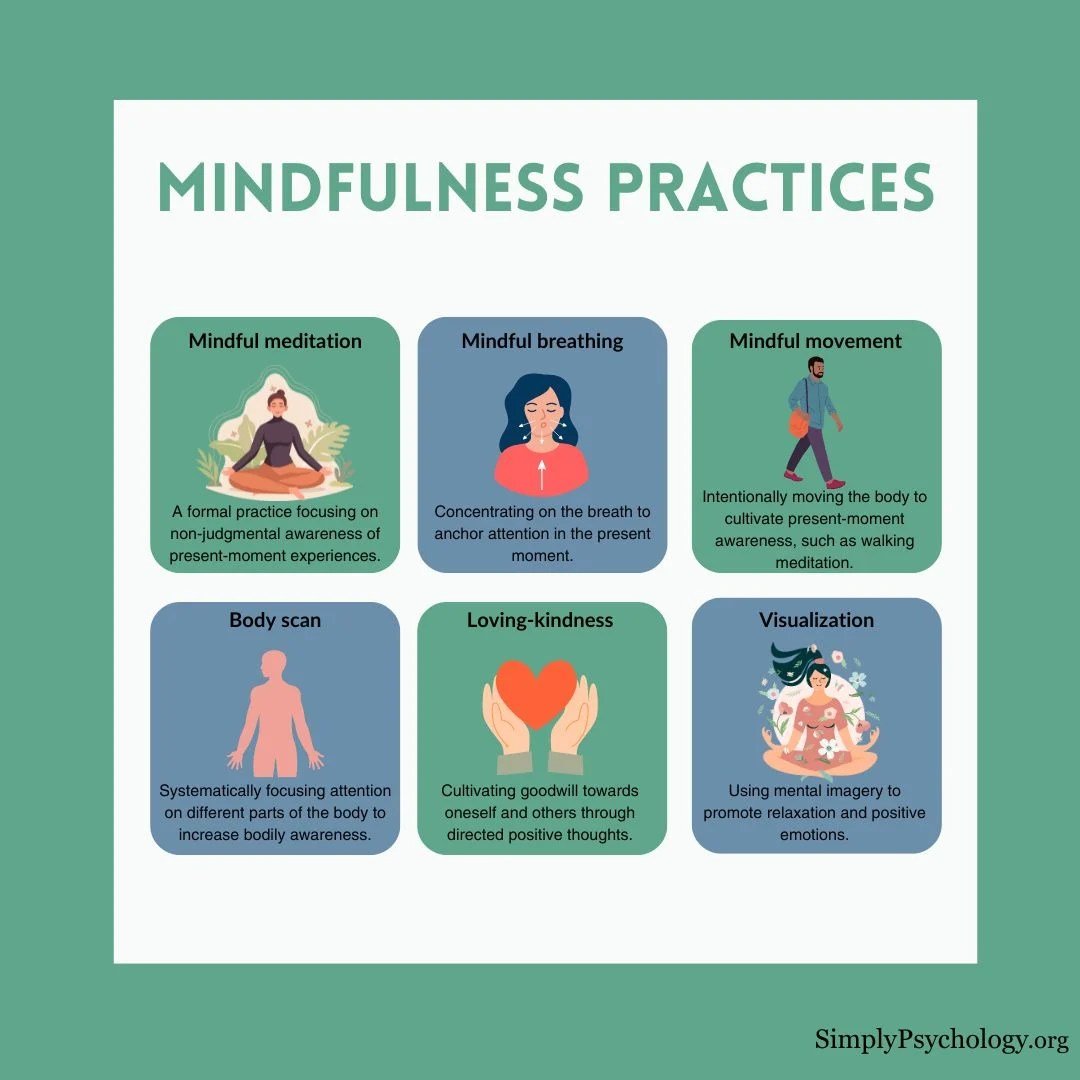
Simple Mindful Breathing
You don’t need a complicated technique to reap the benefits. Simply find a comfortable seated position and close your eyes if you wish. Turn your attention to the physical sensation of your breath entering and leaving your body. Notice the coolness of the air as you inhale through your nose and the warmth as you exhale. When your mind wanders (and it will), gently guide your focus back to your breath without criticism.
The 4-7-8 Breathing Method for Deeper Relaxation
Developed by Dr. Andrew Weil, this technique is known for its ability to soothe anxiety and promote sleep. It’s simple to remember and incredibly effective.
Exhale completely through your mouth, making a whoosh sound.
Close your mouth and inhale quietly through your nose for a mental count of four.
Hold your breath for a count of seven.
Exhale completely through your mouth, making a whoosh sound, for a count of eight.
This is one breath. Inhale again and repeat the cycle three more times for a total of four breaths.
Turn Your Body and Mind into a Space of Awareness
Mindfulness isn’t just about what you do, but how you do it. By bringing intentional awareness to your physical body and your internal thoughts, you can cultivate a deeper sense of peace and resilience. These practices help you check in with yourself and respond to life’s challenges with greater compassion.
A Quick Body Scan for Tension Relief
You can do this right at your desk. Sit comfortably and bring your attention to the top of your head. Slowly “scan” your awareness down through your body—your face, neck, shoulders, arms, torso, and legs, all the way to your toes. As you move through each part, simply notice any sensations like warmth, tingling, or tightness without trying to change them. When you find an area of tension, consciously breathe into it and imagine it softening on the exhale.
Loving-Kindness for Self-Compassion
This practice helps foster feelings of warmth and care for yourself and others. Silently repeat a few simple, kind phrases directed toward yourself, such as, “May I be happy. May I be healthy. May I be safe.” After a few moments, you can extend these well-wishes to a loved one, a neutral person, and eventually even someone with whom you have difficulty. These practices can also be incredibly powerful when shared. If you want to bring this sense of connection to your family, team, or friends, Explore fun group mindfulness activities that build empathy and shared presence.
Build Lasting Mindfulness Habits with Simple Frameworks
The key to a sustainable mindfulness practice is integrating it into the life you already have. You don’t need to add more to your plate; you just need simple tools that help you weave moments of awareness into your existing routines.
The STOP Method for a Mid-Day Reset
When you feel overwhelmed or reactive, use this four-step acronym to create a moment of pause and perspective.
Stop: Whatever you’re doing, just pause for a moment.
Take a breath: Take one slow, deep, intentional breath.
Observe: Notice what’s happening in your body, your emotions, and your thoughts without judgment.
Proceed: Having checked in with yourself, continue your day with renewed awareness and intention.
Cultivating Gratitude and Single-Tasking
Shift your focus from what’s wrong to what’s right by keeping a simple gratitude list. At the end of each day, write down three things you were grateful for. This trains your brain to notice the positive. Likewise, challenge the myth of multitasking by intentionally single-tasking. When you write an email, just write the email. When you fold laundry, just fold laundry. This practice reduces stress and dramatically improves your effectiveness. Building these habits early can make a huge difference for young minds navigating a busy world. For parents and educators, Here are a few options for getting kids and teens started with these simple, effective techniques.
Your Next Mindful Moment Starts Now
Mindfulness isn’t another thing to perfect; it’s a gentle and ongoing practice of returning to the present. The goal isn’t to empty your mind but to become more familiar and friendly with it. You don’t need to wait for the perfect, quiet moment to begin. Your next breath, your next step, your next sip of coffee—each is an opportunity to show up for your own life. Pick just one of these exercises and give it a try today.
I am a writer specializing in health and lifestyle, committed to delivering well-researched, engaging, and insightful content. With a keen eye for trends and a deep understanding of health, presenting and exploring topics ranging from nutrition and mental health to sustainable living. This writing is solely intended to educate, inspire, and empower readers to live a healthier, more balanced life.