Staring at a blank page can be just as intimidating for a fourth grader as it is for a high school senior. When you ask a student to “write about your feelings,” you often get a shrug or a few generic sentences. A well-designed list of mindfulness questions for students pdf resources can change that, transforming a daunting task into a simple, guided exploration of their inner world. These prompts act as a key, unlocking thoughts and feelings that might otherwise stay hidden behind the “I don’t know what to write” barrier.
This isn’t about simply recording the day’s events. It’s about building the muscle of self-awareness, one thoughtful question at a time. By focusing on the present moment, gratitude, and physical sensations, these questions help students connect with themselves in a way that builds resilience and emotional intelligence.
Why Prompts Work Better Than a Blank Page: Understand the psychology behind guided journaling and how it helps students overcome writer’s block and anxiety.
Thematic Question Categories: Get curated lists of mindfulness questions organized by theme—from sensory awareness to emotional check-ins—for targeted practice.
Age-Appropriate Adaptations: Learn how to modify prompts for elementary, middle, and high school students to ensure they are relevant and impactful.
A Practical Classroom Playbook: Step-by-step guidance on how to introduce mindfulness journaling in your classroom to create a safe and reflective environment.
Quick Answers to Common Questions: Find clear, expert answers to frequent concerns, like handling student resistance or managing privacy.
Moving Beyond the “How Was Your Day?” Routine
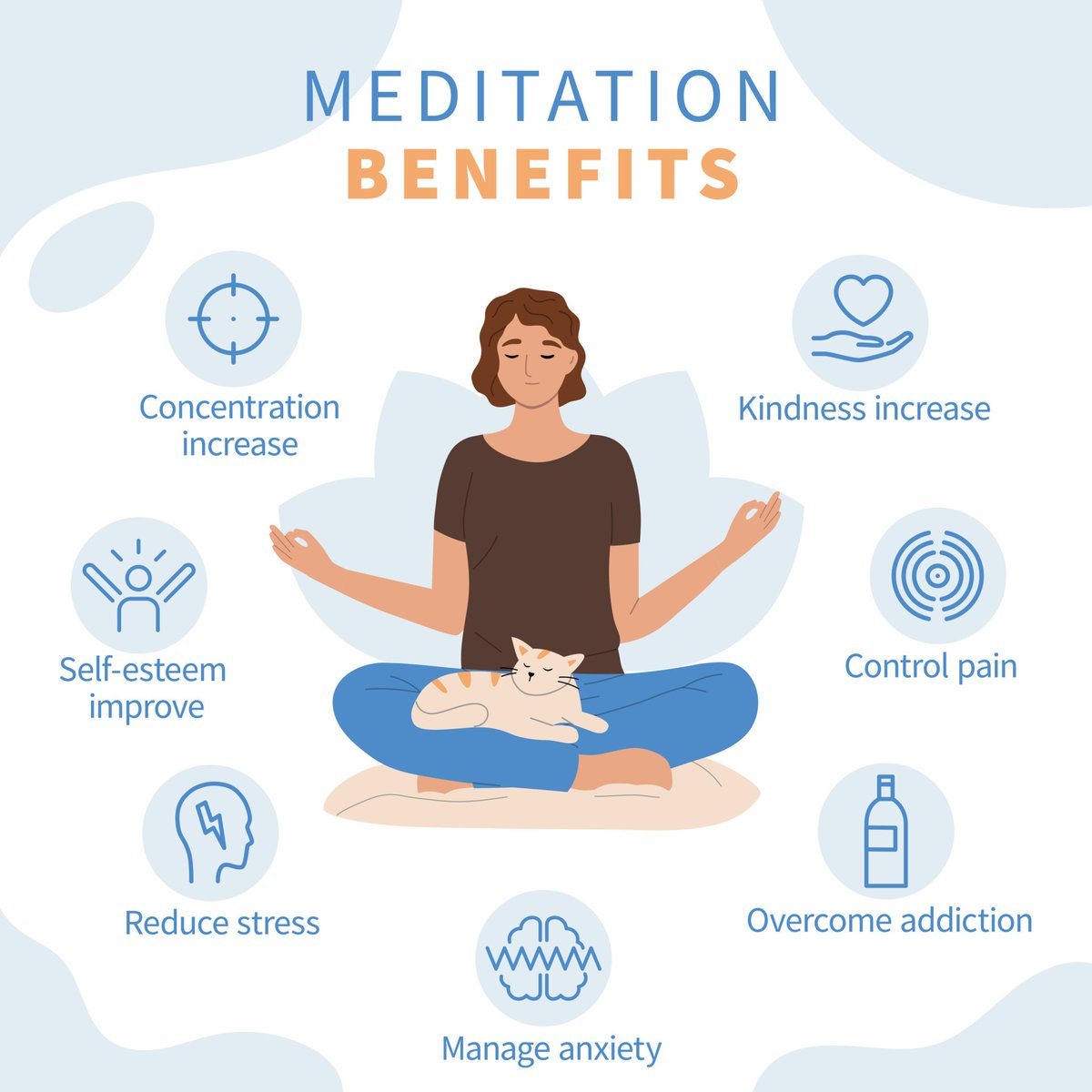
Mindfulness, rooted in contemplative traditions and now a cornerstone of modern therapies like Dialectical Behavior Therapy (DBT), is the practice of paying attention to the present moment without judgment. For students navigating the complexities of school, friendships, and growing up, this skill is a superpower. It helps them regulate emotions, improve focus, and reduce stress.
But “being mindful” can feel abstract. Journaling with specific prompts makes it concrete. Instead of asking a student to simply “be present,” you give them a starting point: “What is one sound you can hear right now that you didn’t notice before?” This small shift from a vague command to a curious question invites exploration rather than demanding performance.
This approach is especially powerful because it helps students bypass what educators call “blank page syndrome.” The structure of a question provides a safe container, guiding their attention inward and helping them articulate their experiences. For a comprehensive set of tools that go beyond journaling, you can Download free mindfulness worksheets to support a variety of awareness practices. This gives students a full toolkit for building their mindfulness skills.
Thematic Mindfulness Prompts to Guide Student Reflection
Organizing questions by theme allows you to target specific areas of mindfulness. You can focus on gratitude for a week, then shift to sensory awareness, or mix and match based on your students’ needs.
Here are categories with sample questions you can use to create your own mindfulness questions for students pdf journal.
Category 1: Gratitude and Positivity
These prompts shift focus from what’s going wrong to what’s going right, building a foundation of appreciation and optimism. Research shows that a consistent gratitude practice can improve mood and overall well-being.
What is one small thing that happened today that made you smile?
Name three things you are thankful for right now, no matter how simple. (e.g., a comfortable chair, the sunshine, a favorite song)
Who is one person at school who was kind to you today? What did they do?
Describe something beautiful you saw on your way to school.
What is a skill you have that you are proud of?
Category 2: Present-Moment and Sensory Awareness
These questions anchor students in the “here and now” by engaging their five senses. This is a foundational mindfulness skill that helps calm anxious minds and improve focus.
Close your eyes for 30 seconds. What is the farthest sound you can hear? What is the closest?
Describe the feeling of your feet on the floor. Are they warm or cool? Tense or relaxed?
What is one thing in this room you’ve never truly looked at before? Describe its color, shape, and texture.
Think about the lunch you ate. What did it taste like? What was its texture?
Take a deep breath. What do you smell in the air right now?
Category 3: Emotional and Physical Check-In
These prompts encourage interoception—the awareness of internal bodily sensations and feelings. This helps students build emotional literacy and recognize how stress and happiness manifest in their bodies.
If your feelings right now were a type of weather, what would they be? (e.g., sunny, stormy, foggy, a light breeze)
Where in your body are you holding tension right now? Your jaw? Your shoulders? Your stomach?
Think of a moment today you felt frustrated. What did that feel like in your body?
What emotion are you feeling most strongly right now? Give it a name without judging it.
What is one thing your body needs at this moment? (e.g., a stretch, a glass of water, a moment of rest)
Category 4: Compassion and Connection
These prompts foster empathy for oneself and others, a key component of social-emotional learning (SEL). They help students recognize their shared humanity and practice kindness.
What is one kind thing you did for someone else today?
Think of someone you are having a hard time with. What is one thing you think they might be feeling?
Write a kind, encouraging sentence to yourself.
What does it mean to be a good friend?
When did you feel connected to someone else today?
Your Classroom Playbook: Putting Prompts into Practice
Simply handing out a PDF of questions isn’t enough. The environment and routine you create around the practice are what make it truly transformative.
Step 1: Set the Stage (Create a Safe Space)
Before the first journaling session, have a brief, open conversation. Emphasize that this is not a graded assignment. There are no right or wrong answers, and spelling and grammar don’t matter.
Privacy is Key: Let students know their journals are private. You will not read them unless they explicitly choose to share an entry. This builds trust and encourages honesty.
Model Vulnerability: Share a brief, age-appropriate example of your own. “Sometimes when I feel nervous before a big meeting, I notice my shoulders get really tight. My mindfulness question today might be, ‘How can I relax my shoulders right now?'”
Step 2: Choose Your Timing
Consistency is more important than duration. A dedicated 5-minute slot every day is more effective than a 30-minute session once a month.
Morning Kickstart: Use a prompt to help students transition into the school day and set a calm, focused tone.
Post-Recess Reset: A sensory awareness prompt is perfect for helping students calm down after high-energy activities.
End-of-Day Reflection: A gratitude prompt can help students leave on a positive note, reflecting on the good parts of their day.
Case Snippet: The 5-Minute Reset
A 7th-grade ELA teacher, Ms. Anya, noticed her students were often restless and distracted after lunch. She introduced a “5-Minute Mindful Moment” using a single prompt projected on the board. One day, the prompt was, “Where is your breath in your body right now?” She played soft instrumental music and journaled along with them. After two weeks, she observed that students settled into their afternoon work more quickly and classroom disruptions decreased.
Step 3: Adapt for Different Developmental Stages
A question that works for a high schooler may be too abstract for a first grader.
Age Group
Focus
Sample Prompt Modification
Elementary (K-4)
Concrete & Sensory
Instead of “Describe an emotion,” try “Draw a picture of what happiness looks like today.”
Middle School (5-8)
Self & Social Awareness
Instead of “What are you grateful for?” try “Who is someone you appreciate and why? What’s one way you could show it?”
High School (9-12)
Abstract & Future-Oriented
Instead of “What made you smile?” try “What is one value that is important to you, and how did you (or could you) live by it today?”
Quick Answers to Common Questions
Here are some frequent questions educators have when implementing mindfulness journaling.
Q: What if a student refuses to write or says “I don’t know”?
A: Never force it. The goal is to reduce pressure, not add to it. You can say, “That’s okay. Maybe you can just close your eyes and think about the question for a minute, or you could draw something instead.” Offering an alternative like doodling or simply sitting quietly maintains the reflective space without creating a power struggle.
Q: How do I handle sensitive topics that might come up in journals?
A: This is why establishing privacy is critical. Remind students that their journal is a private space. However, you must also adhere to your school’s policy as a mandated reporter. You can state this clearly and calmly at the outset: “This journal is your private space. The only time I would ever need to look at it is if you write something that makes me worried about your safety or someone else’s safety.”
Q: Should students share their responses?
A: Sharing should always be optional. You can create opportunities for voluntary sharing by saying, “Would anyone like to share one thing they wrote down that they are grateful for today?” This allows students who feel comfortable to connect with their peers, but it protects the privacy of those who prefer to keep their reflections to themselves.
Q: How often should we do this?
A: Aim for daily practice, even if it’s just for 3-5 minutes. The consistency builds a neural habit of self-reflection. It’s like physical exercise; short, regular workouts are more beneficial than one long, infrequent session.
Turning Questions into a Lifelong Skill
Using a mindfulness questions for students pdf is not about filling a journal; it’s about planting seeds of self-awareness that can grow for a lifetime. The real goal is for students to internalize this process. Eventually, they won’t need the prompt. They’ll naturally start to ask themselves, “Where am I feeling this stress in my body?” or “What’s one good thing that happened today?”
To get started, choose one category of questions from the list above and try it with your students for one week. Print the prompts, project one on the board each day, and see what happens. Notice the small shifts in your classroom’s atmosphere and in your students’ ability to pause, breathe, and reflect. You are giving them a simple, powerful tool to navigate their own minds—a skill that will serve them long after they’ve left your classroom.
I am a writer specializing in health and lifestyle, committed to delivering well-researched, engaging, and insightful content. With a keen eye for trends and a deep understanding of health, presenting and exploring topics ranging from nutrition and mental health to sustainable living. This writing is solely intended to educate, inspire, and empower readers to live a healthier, more balanced life.